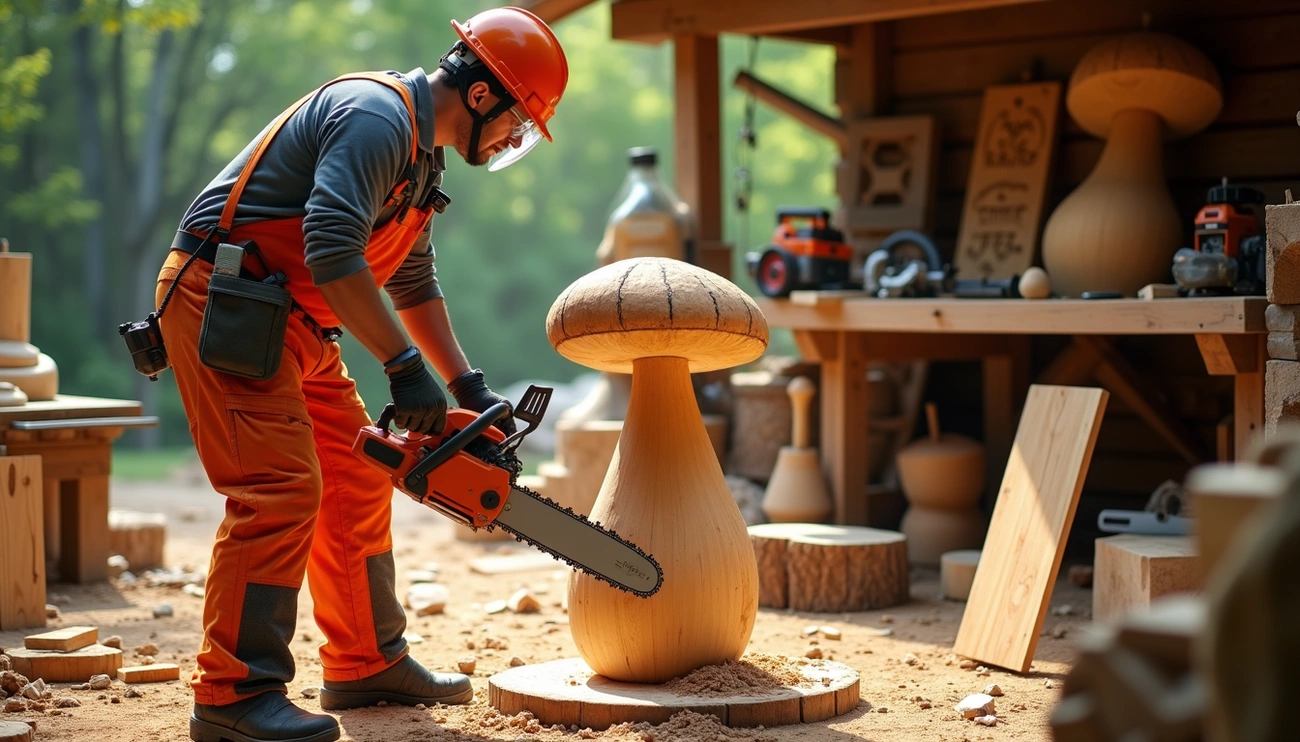
Carve with a chainsaw by starting with soft wood, sketching your design, and making rough cuts first. Use controlled movements, carve with the lower bar, and refine details gradually. Always wear full safety gear and […]
Stephen
80 posts
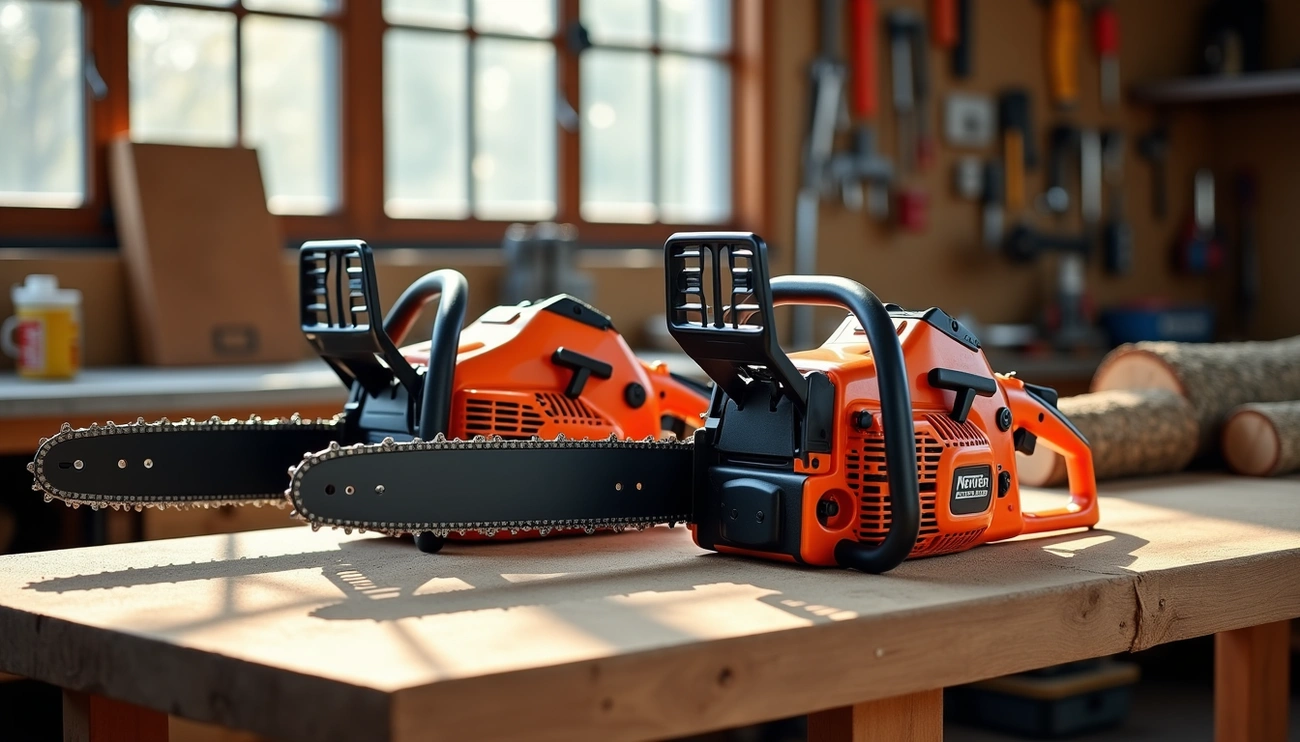
NEOTEC chainsaws are made by NEOTEC, a company that develops and sells professional-grade outdoor power equipment. In the United States, NEOTEC products are officially distributed and supported by Precision Tooling US Inc. through NEOTECWORLD.com, serving […]
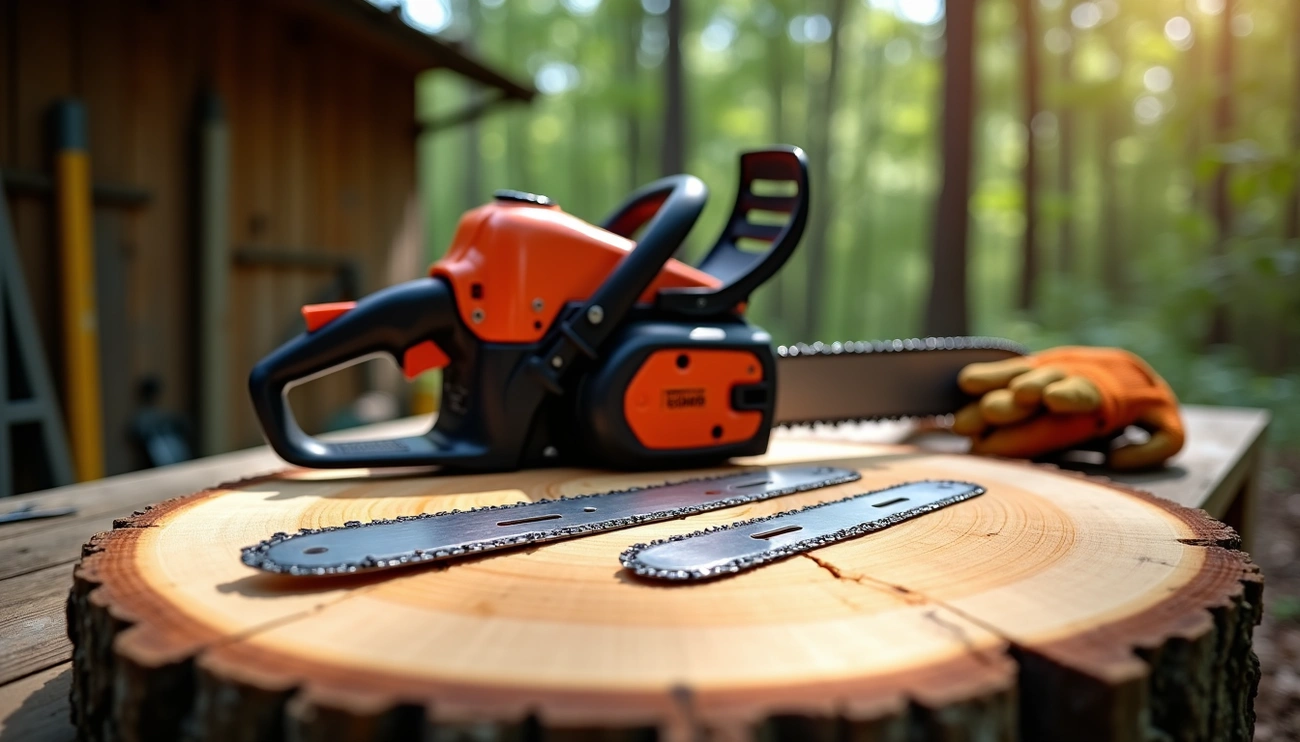
Yes, you can put a longer bar on a chainsaw if the engine has enough power to handle it. A longer bar increases engine strain, reduces cutting speed, and affects balance. Most chainsaws safely handle […]
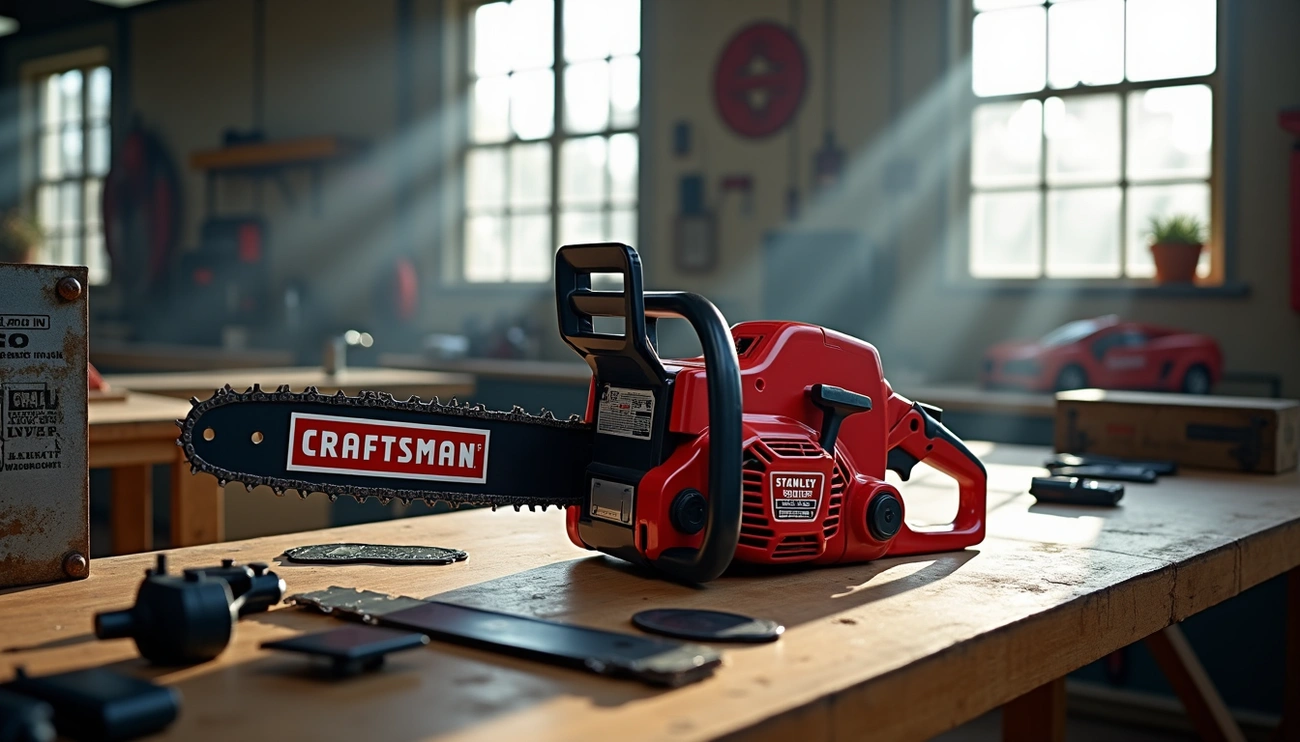
Craftsman chainsaws are made in multiple countries depending on the model and production year. Manufacturing has occurred in the United States, Mexico, and China under licensed partners. Today, the brand is owned by Stanley Black […]

Yes, most gasoline-powered chainsaws use mixed gas made from unleaded gasoline and 2-stroke engine oil. The standard mix ratio for modern chainsaws is 50:1, though some older models use 40:1 or 32:1. This fuel mixture […]
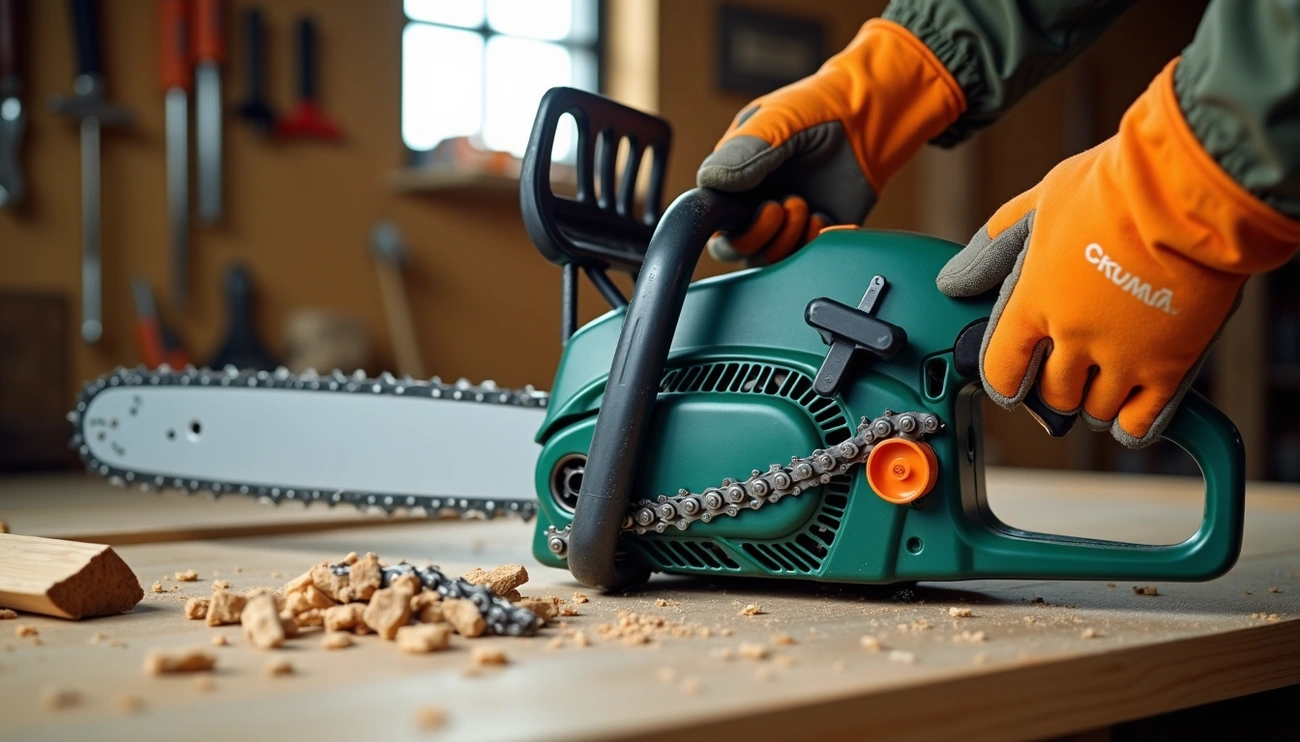
Put a chain back on a chainsaw by loosening the side panel nuts and the chain tensioning screw, then removing the cover. Place the chain onto the drive sprocket and into the bar groove with […]
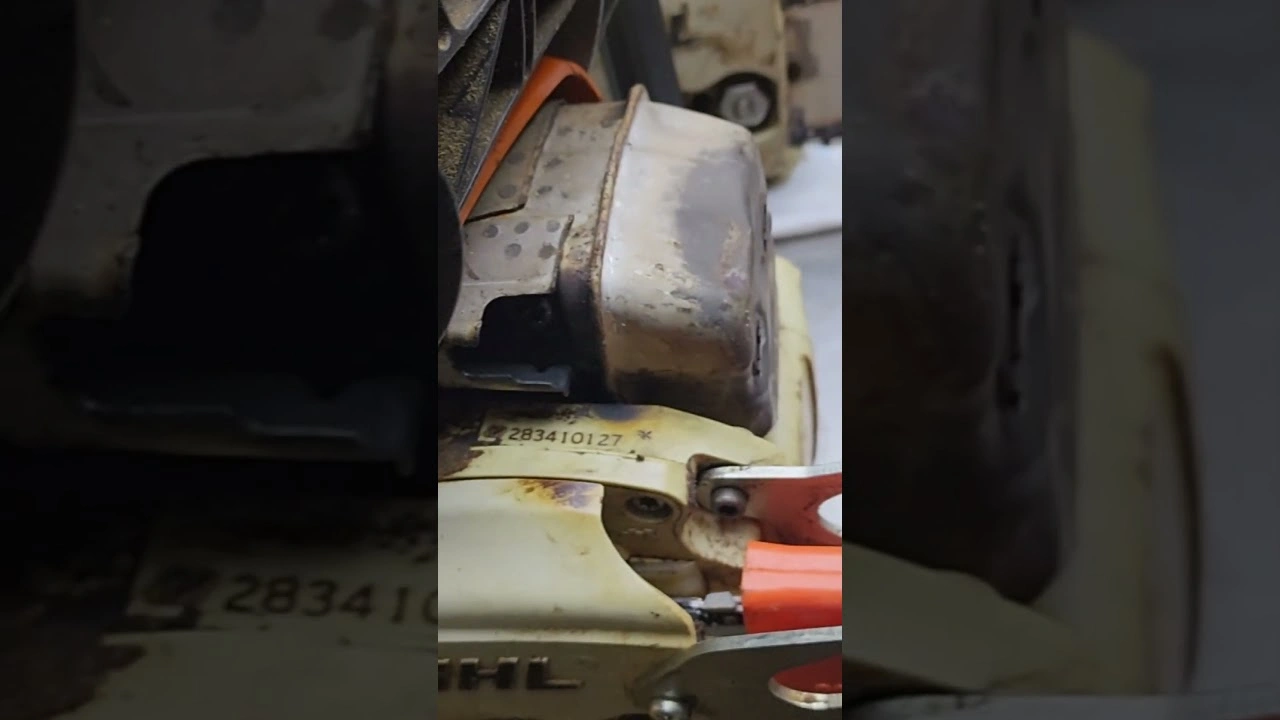
The serial number on a STIHL chainsaw is stamped on the engine housing (crankcase), usually near the muffler. It may appear on a flat surface on either side, under the chain brake or sprocket cover, […]
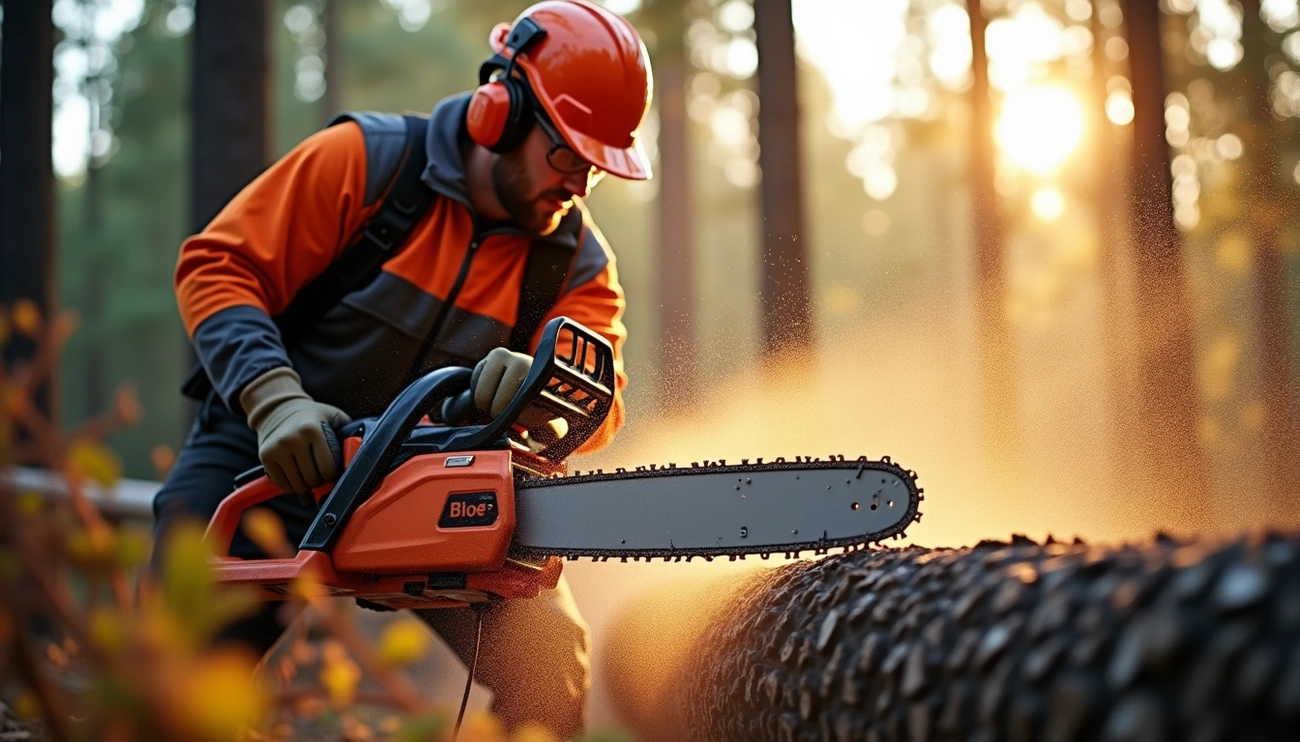
A chainsaw makes a loud, roaring, high-pitched whirring noise. The sound ranges from a low growl at idle to a piercing scream at high RPMs as the chain cuts wood. Chainsaw noise often exceeds 120 […]
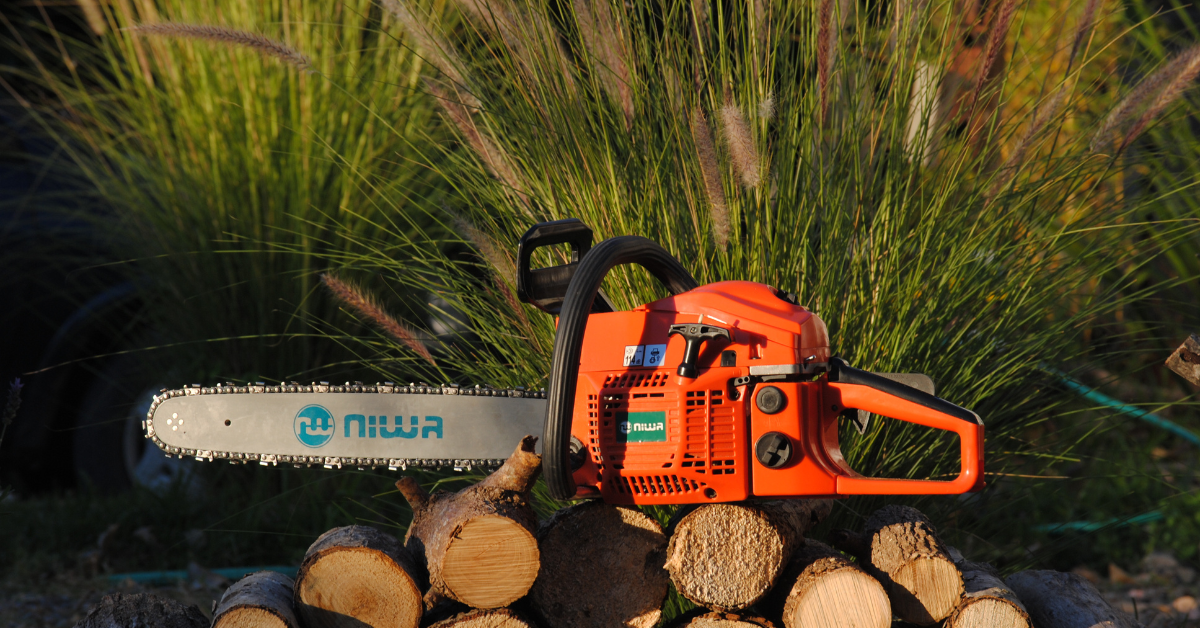
Do not use engine oil in a chainsaw’s fuel mix and avoid using it for bar and chain lubrication except in a dire emergency. Engine oil lacks the tackifiers and additives found in bar and […]