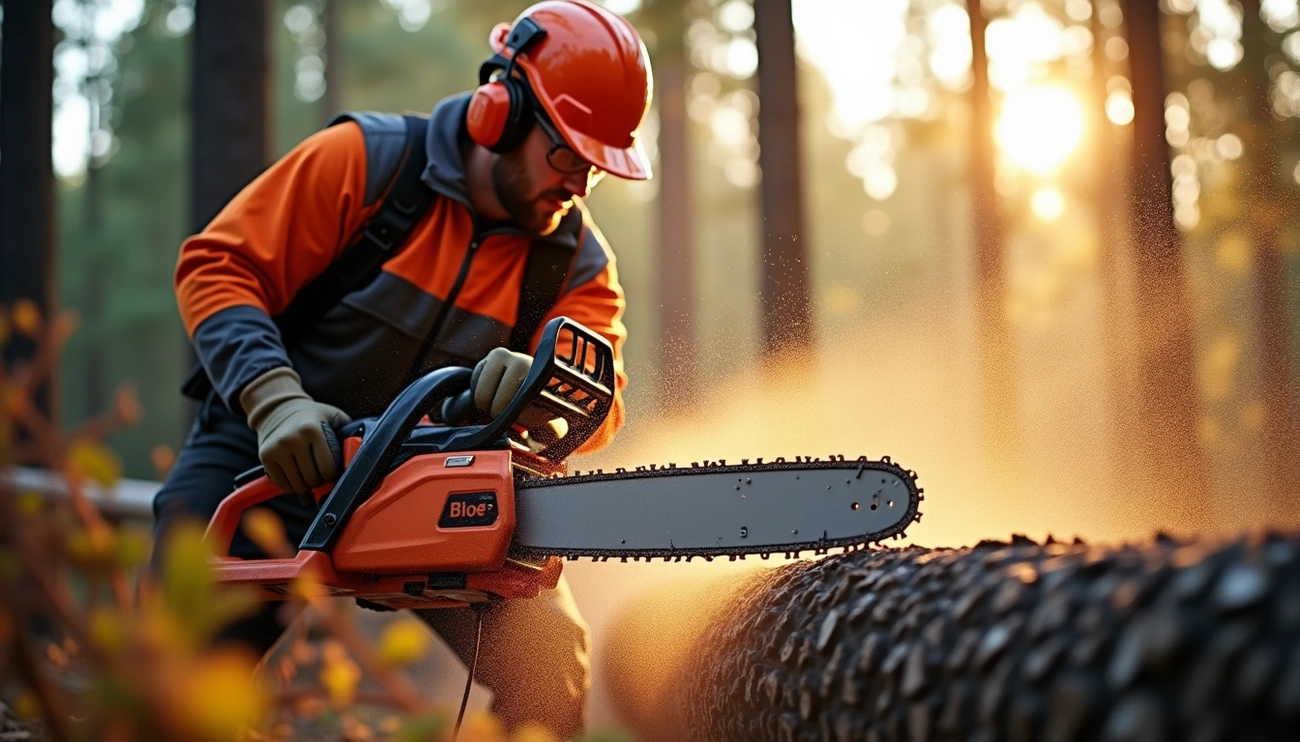
A chainsaw makes a loud, roaring, high-pitched whirring noise. The sound ranges from a low growl at idle to a piercing scream at high RPMs as the chain cuts wood. Chainsaw noise often exceeds 120 […]
Stephen
82 posts
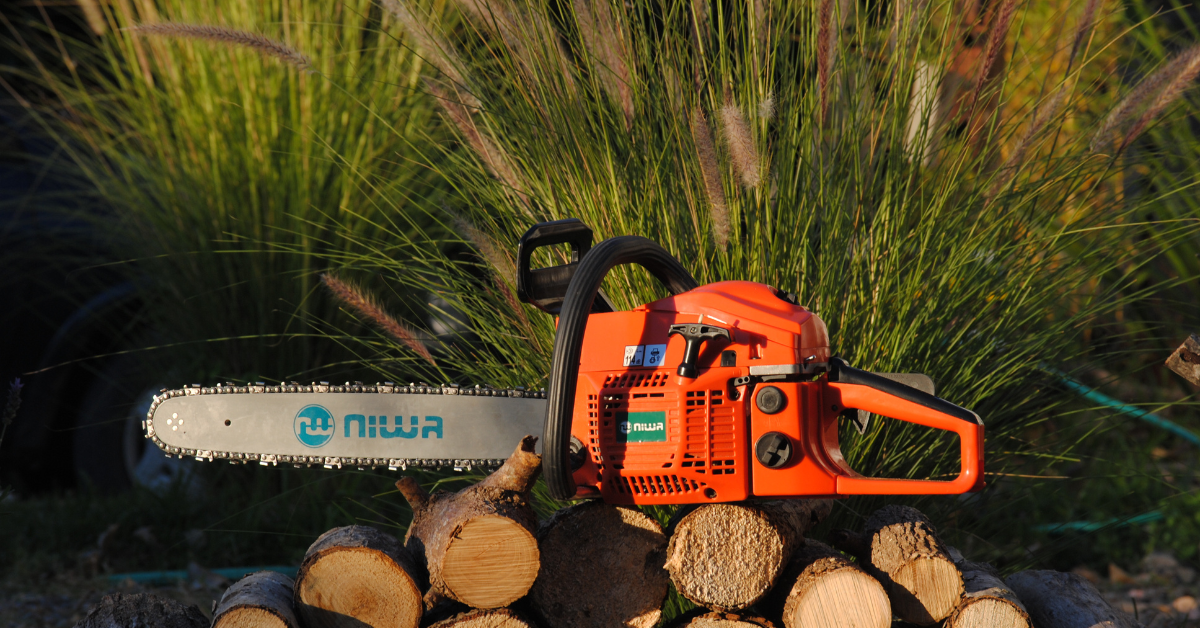
Do not use engine oil in a chainsaw’s fuel mix and avoid using it for bar and chain lubrication except in a dire emergency. Engine oil lacks the tackifiers and additives found in bar and […]
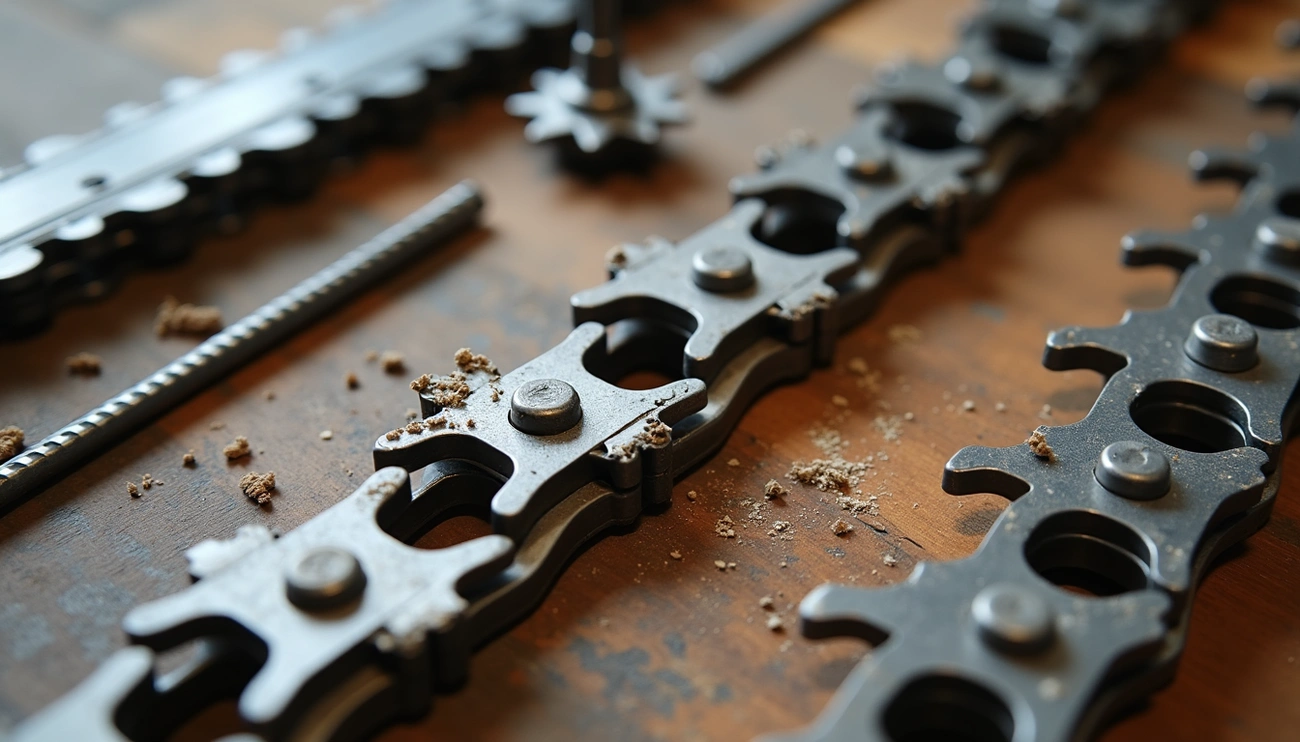
Replace a chainsaw chain when the cutting teeth are broken, cracked, or worn down to the wear line. Replace the chain if the saw cuts crooked, smokes, or requires excessive force even after proper sharpening […]
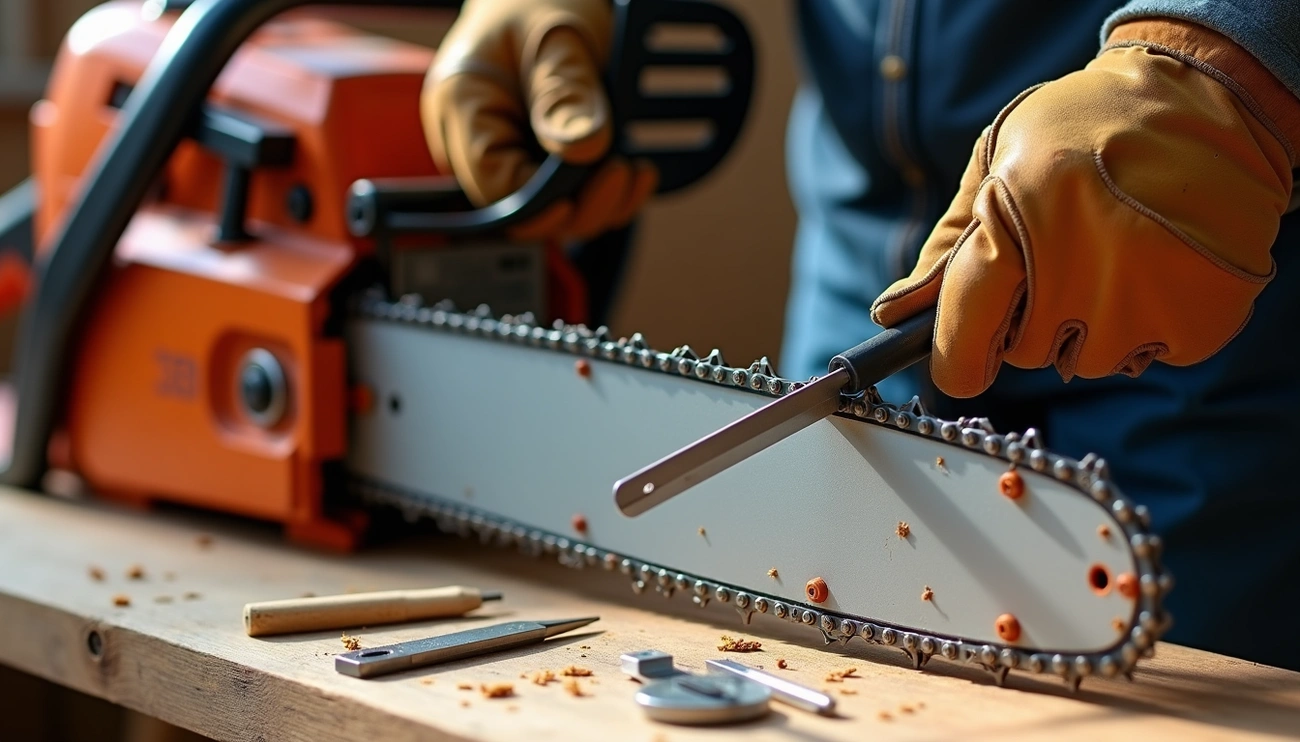
Sharpen a chainsaw chain at a top plate angle between 25° and 35°. Use 30° for general cutting. Apply a steeper 35° angle for softer woods and a shallower 25° angle for harder woods. Always […]
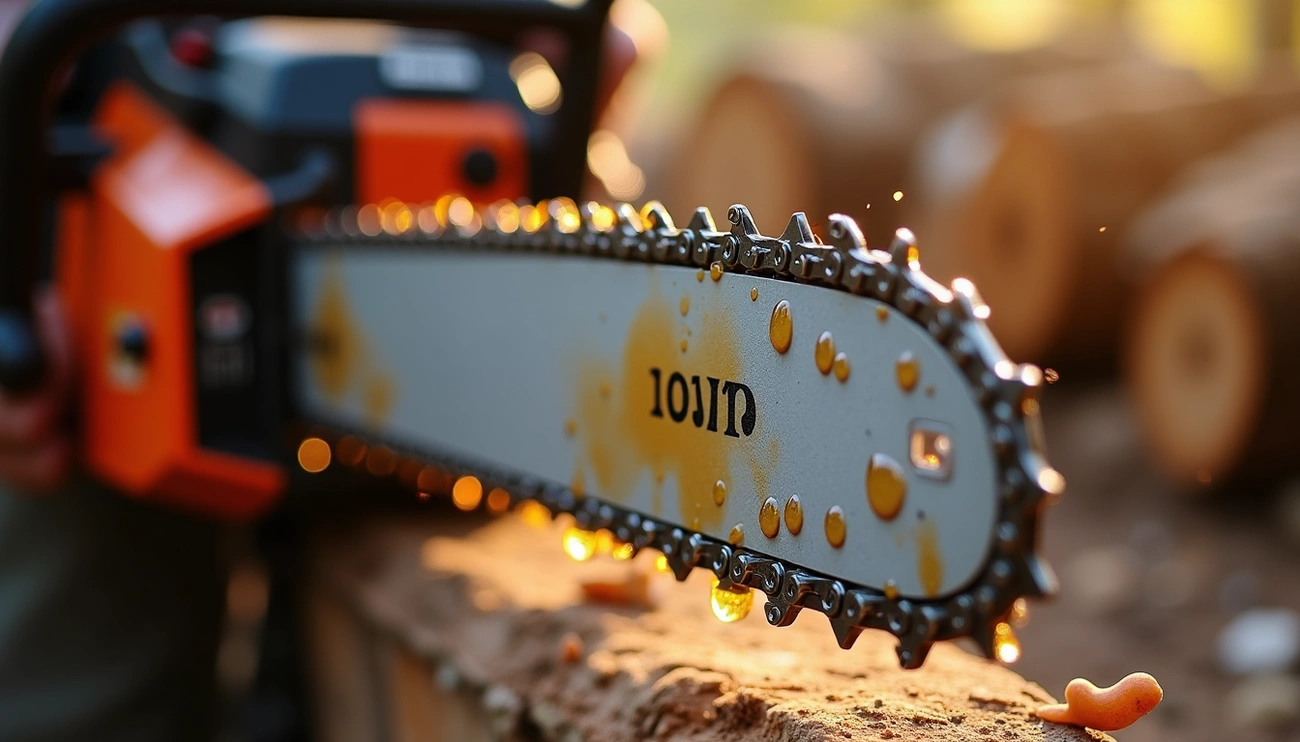
Chainsaw bar oil is typically around 30 weight (SAE 30) for general use. Lighter oils, such as 10W, are used in cold weather to maintain flow, while thicker oils, like 40–50 weight, are used in […]
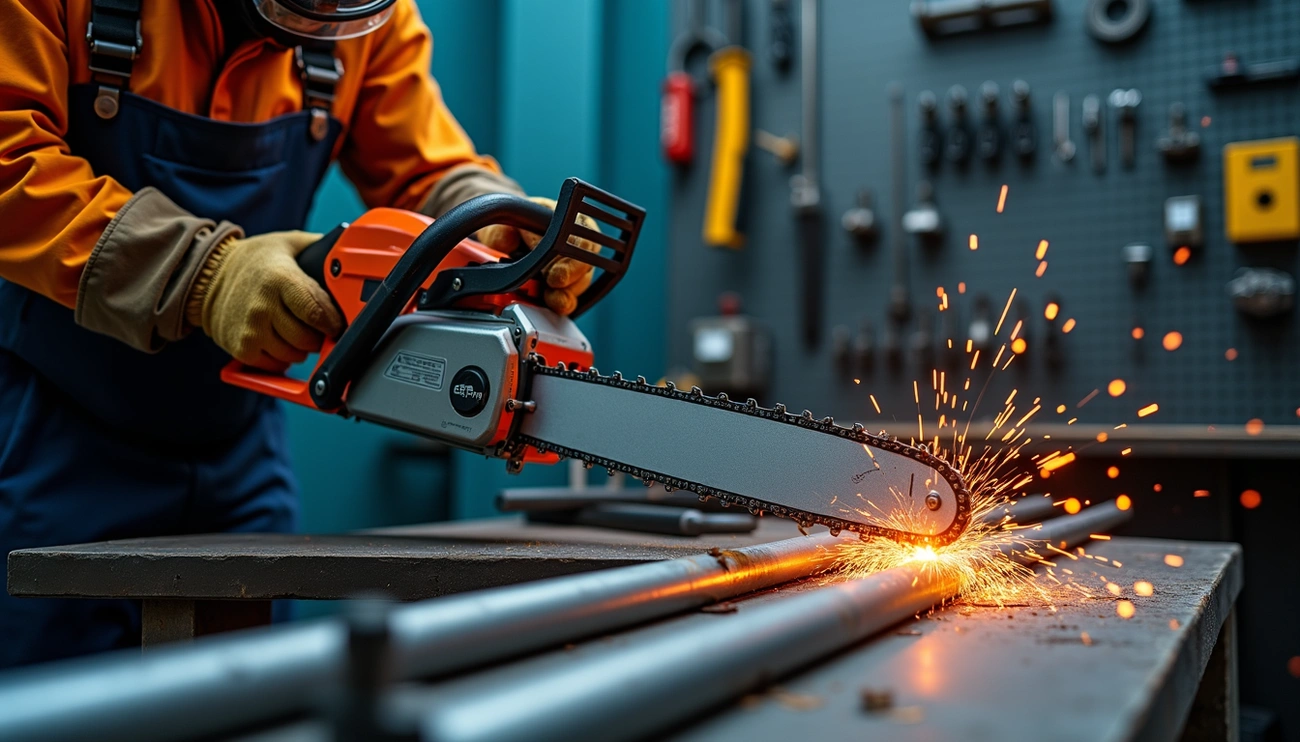
Yes, a chainsaw can cut through some metals when equipped with specialized carbide-tipped or diamond chains. Standard wood chains dull or break on metal, making the process inefficient and risky. Metal cutting with chainsaws is […]
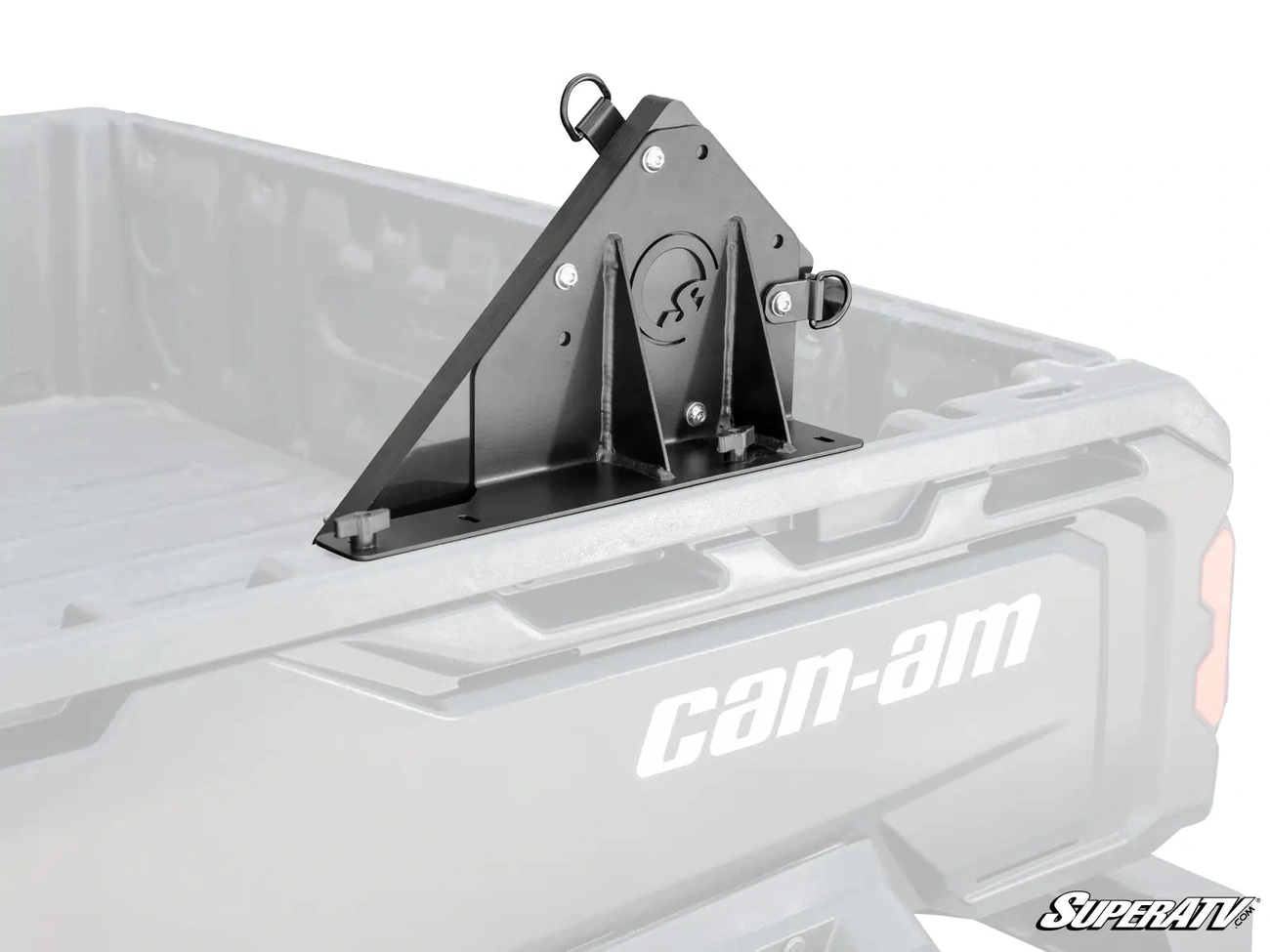
A Can Am Defender chainsaw holder securely mounts a chainsaw to the UTV bed or roll cage. It prevents movement during rough rides, protects the chain and bar, and provides fast access for trail clearing […]

You should not use a chainsaw in the rain due to increased safety risks. Rain reduces grip, visibility, and footing, which raises the chance of kickback and slips. Wet conditions also increase electrical risk with […]

You can cut wet wood with a chainsaw without damaging the tool. Chainsaws are designed to cut green or wet wood efficiently. Wet wood cuts more slowly and creates heavier sawdust, which increases chain friction. […]