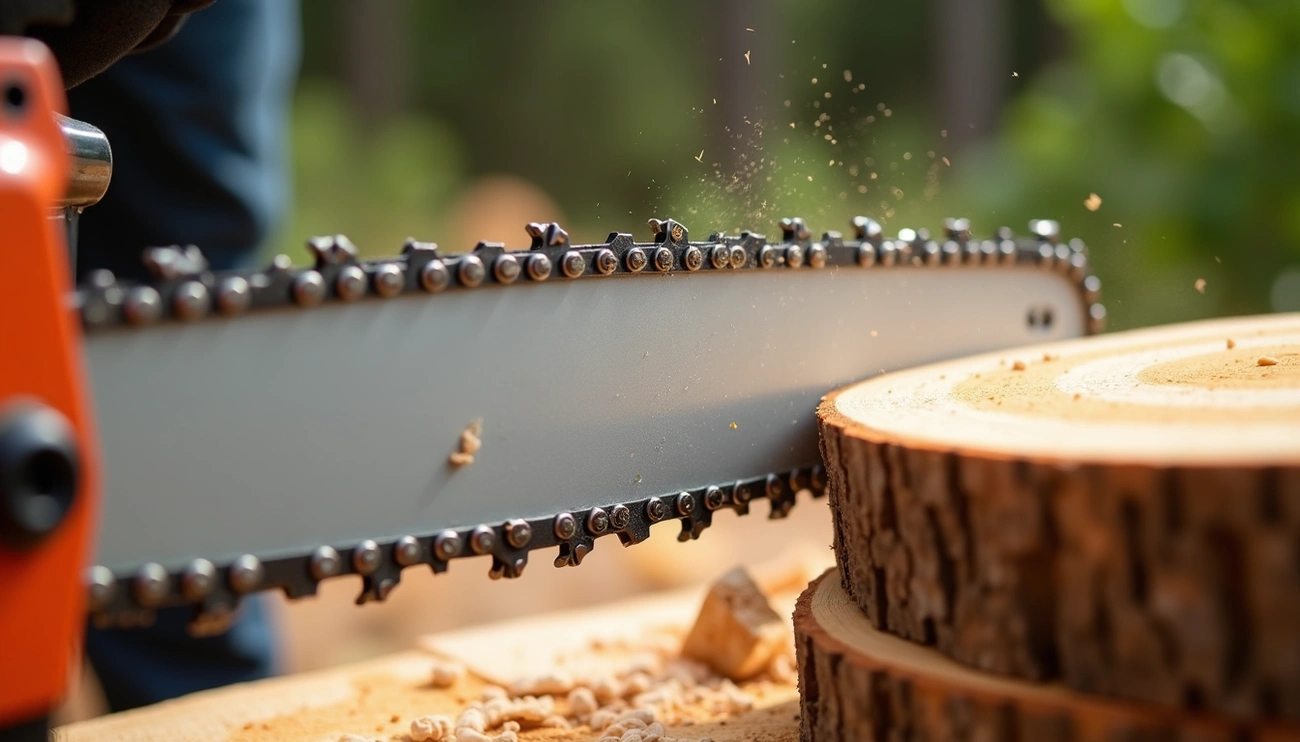
A full chisel chainsaw chain uses sharp, square-cornered teeth that form an aggressive L-shaped cutting edge. This design cuts clean, soft wood extremely fast but dulls quickly, reacts poorly to dirt, and increases kickback risk. […]
Stephen
82 posts
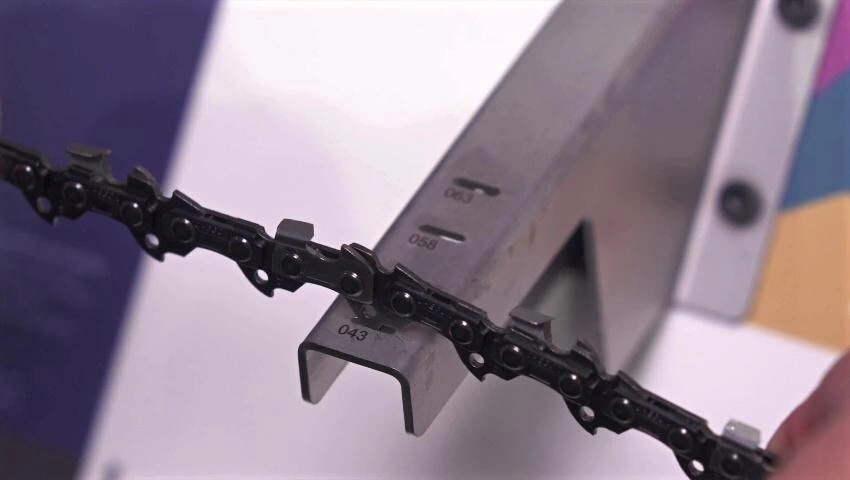
Chainsaw chain pitch is the measurement that defines a chain’s size. It is calculated by measuring the distance across three consecutive rivets and dividing by two. Common pitches include 3/8 inch for general use and […]

Biodegradable chainsaw oil is a plant-based bar and chain lubricant that breaks down naturally in soil and water. It provides the same tackiness and wear protection as standard bar oil while reducing environmental impact, making […]
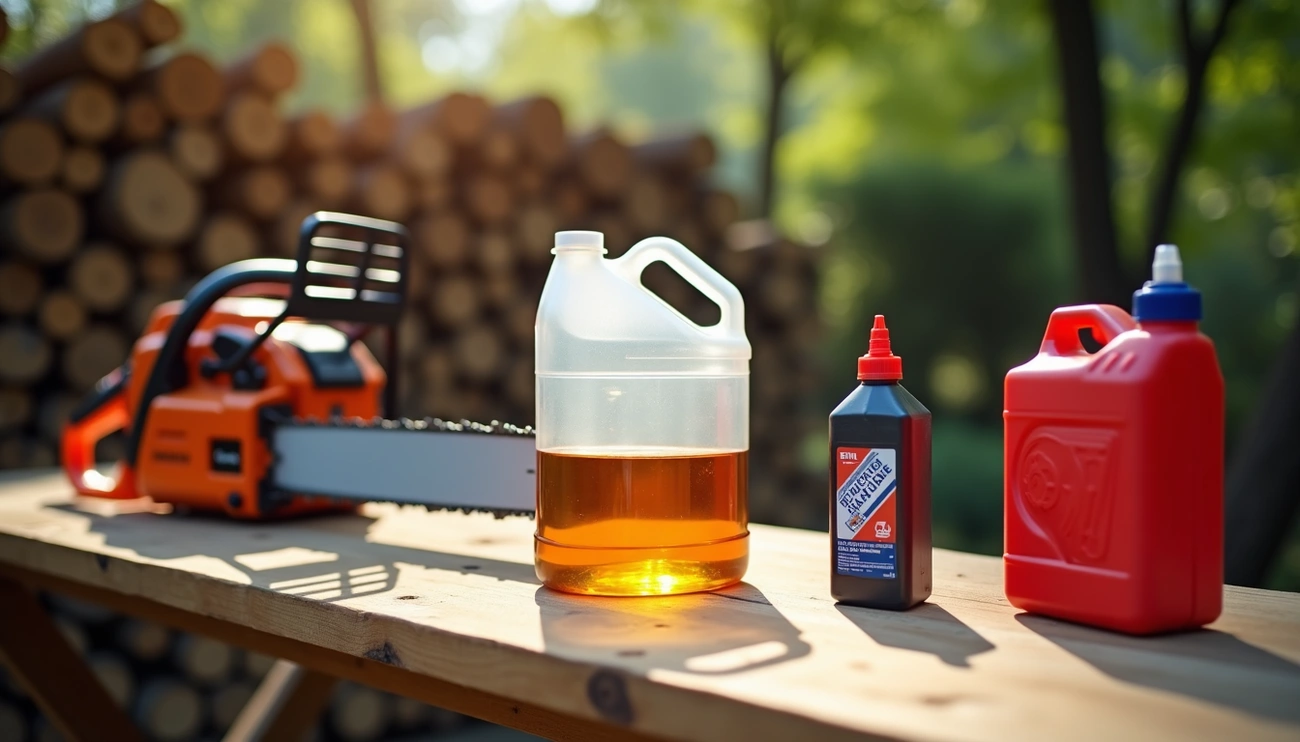
Most chainsaws use unleaded gasoline mixed with two-stroke engine oil. The standard fuel mix is 50:1, meaning 50 parts gas to 1 part oil. Some models use 40:1, so always follow the manufacturer’s fuel ratio […]

Sharpen a chainsaw with a Dremel by installing the correct sharpening stone, setting the proper angle, and lightly grinding each cutter. Match the factory angle, sharpen every tooth evenly, and avoid overheating to maintain cutting […]
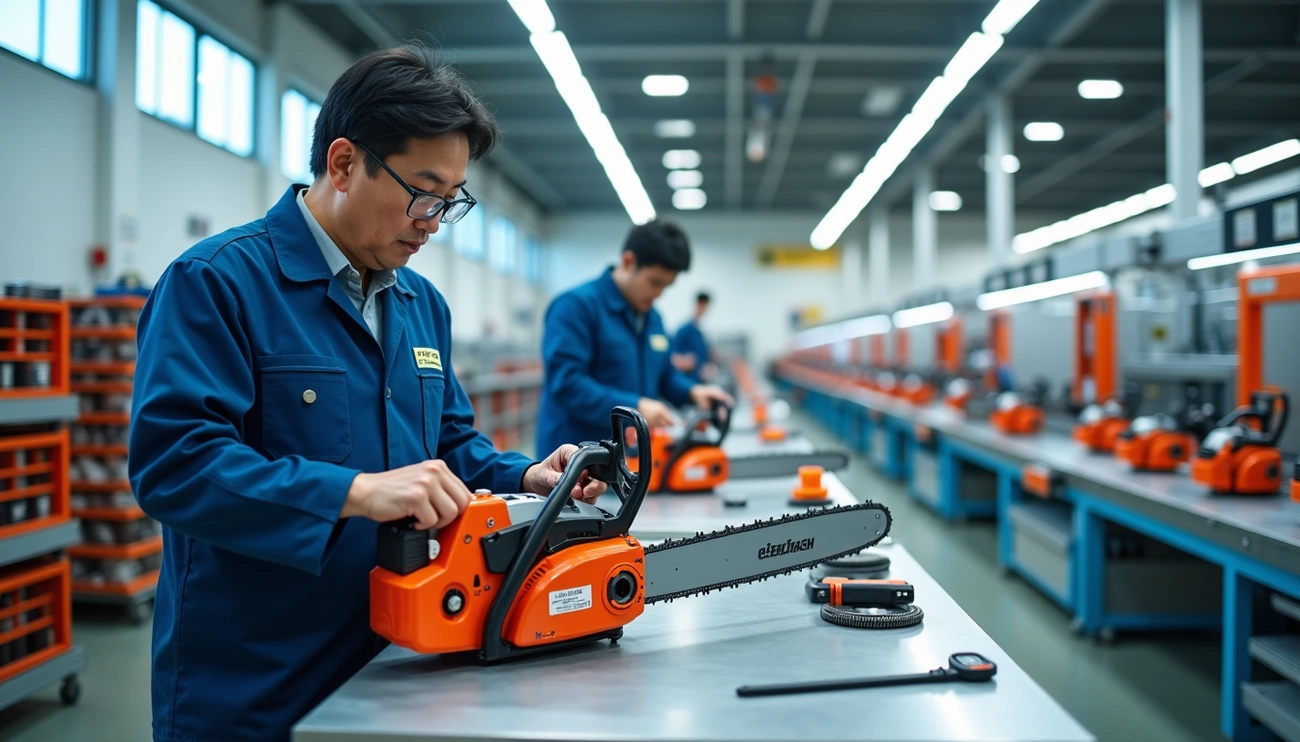
Echo chainsaws are primarily designed and manufactured in Japan, with major production facilities in Morioka and Yokosuka. Some assembly and component manufacturing also take place in China and the United States, all produced under strict […]
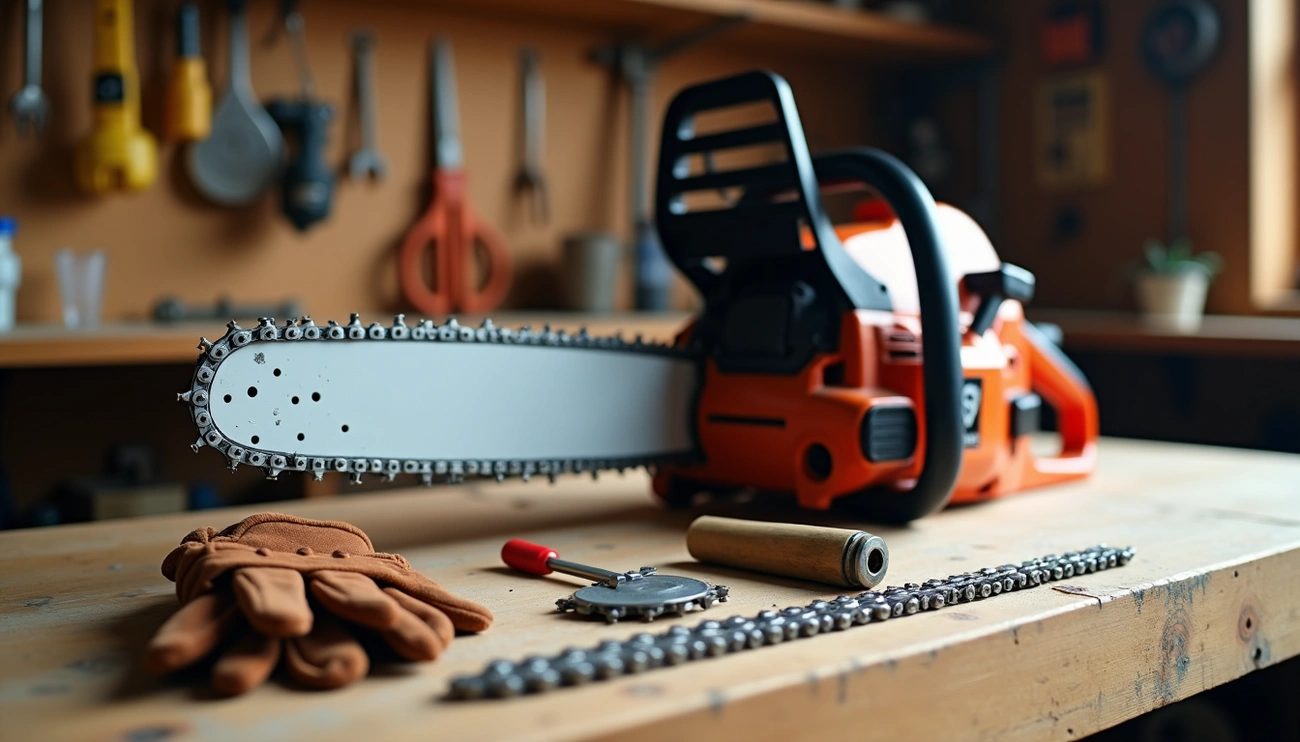
Replacing a chainsaw chain is a straightforward maintenance task that typically takes 5–10 minutes. Always prioritize safety: wear heavy-duty gloves and safety glasses, ensure the chainsaw is off (remove battery for cordless/electric models or disengage […]

A chainsaw chain should be tight enough to sit snug against the bar without sagging, yet loose enough to pull by hand. Proper tension allows about 1/4 inch of deflection, lets the chain snap back […]

Chainsaw teeth face forward toward the tip of the bar on the top edge and backward toward the powerhead on the bottom edge. The sharp, angled cutting edge points in the direction of chain rotation, […]