What Fuel Mix For a Stihl Chainsaw? The Perfect Mix Ratio Every Time
Use a 50:1 fuel mix for a Stihl chainsaw. Mix 1 gallon (3.8 liters) of gasoline with 2.6 ounces (77 milliliters) of 2-cycle engine oil. This ratio ensures proper lubrication, prevents engine damage, and maintains performance across most Stihl models.
Understanding the 50:1 Fuel Mix Ratio for Stihl Chainsaws
What the 50:1 gas ratio means
The 50:1 ratio represents a precise proportion: 50 parts gasoline mixed with 1 part two-stroke engine oil. Essentially, you’re adding 2.6 ounces of oil to one gallon of gasoline, or 20 milliliters of oil per liter of fuel when using Stihl 2-stroke oil. This specific measurement creates a fuel mixture that balances engine lubrication with clean combustion.
All Stihl gasoline-powered equipment uses this 50:1 gas and oil mixture. Whether you own a chainsaw, blower, hedge trimmer, or brushcutter, the ratio remains consistent across the entire product line. Most Stihl units manufactured from 2003 forward operate on this standard.
Why Stihl chainsaws use this specific ratio
The 50:1 ratio strikes a careful balance between adequate lubrication and minimizing carbon buildup. Your chainsaw’s two-stroke engine needs oil mixed directly into the fuel because it lacks a separate lubrication system. The oil provides necessary protection for internal components while burning alongside the gasoline during combustion.
This ratio ensures the engine receives sufficient lubrication while keeping it running efficiently. Too much oil in the stihl chainsaw fuel mixture creates excessive smoke and carbon deposits that can choke airflow and reduce performance. Modern synthetic oils burn cleaner than older formulations, allowing engines to operate effectively with less oil in the mix.
What happens when you use the wrong ratio
Using an incorrect stihl oil to gas ratio triggers a cascade of problems. If you add too little oil to the mixture, your engine won’t receive adequate lubrication. This causes excessive wear, overheating, and can lead to piston seizure and permanent engine damage. The lack of oil creates friction between moving parts, generating dangerous heat levels that can destroy internal components.
On the other hand, adding too much oil causes different issues. Your chainsaw will produce smoky exhaust, experience spark plug fouling, and develop carbon buildup throughout the engine. These deposits accumulate over time, particularly in the exhaust system where they restrict airflow and cause hard starting, rough running, and power loss.
Running your saw with incorrect fuel mix damages the engine, sealing rings, and fuel tank. If you discover wrong fuel in your tank, don’t use the chainsaw at all, even for a short time. Drain the incorrect mixture completely and refill with the proper 50:1 ratio to prevent catastrophic engine failure.
How to Mix Gas and Oil for Your Stihl Chainsaw
Choosing the right gasoline type
Start with fresh unleaded gasoline that has a minimum octane rating of 89. Mid-grade fuel prevents engine knocking and reduces the risk of piston seizure compared to lower octane options. The petrol widely available at stations is typically rated at 95, 97, or 98 RON, which works well for Stihl equipment.
E10 petrol can be used in all Stihl tools, so fuel with 5% (E5) or 10% (E10) ethanol content is suitable for your chainsaw. While ethanol-free fuel is preferable, standard pump gasoline with up to 10% ethanol will work. Purchase only what you can use within sixty days, as standard gasoline deteriorates over time.
Measuring the correct stihl oil to gas ratio
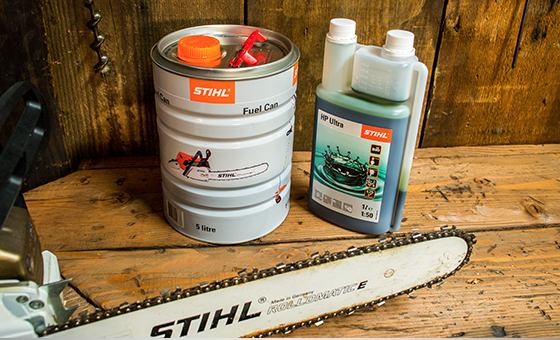
For the 50:1 ratio, you need 2.6 fluid ounces of oil per gallon of gasoline. If working with metric measurements, add 20 milliliters of oil per liter of petrol. Use high-quality 2-stroke engine oil with a TC classification. Stihl 2-stroke engine oil is specially formulated for Stihl tools and will extend your chainsaw’s lifespan.
Measure accurately using graduated containers or pre-measured oil bottles. Avoid estimating, as precise ratios protect your engine from damage.
Using the right mixing container
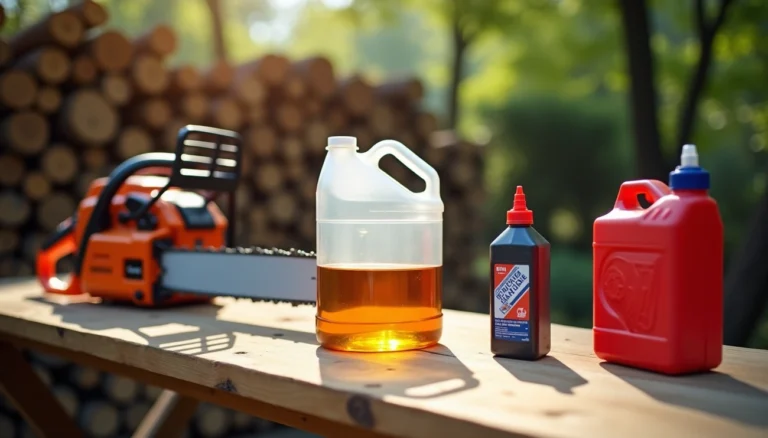
Use an approved gasoline container designed specifically for fuel. I recommend No-Spill fuel containers that reduce spillage, evaporation, and permeation. Clean, airtight containers prolong the shelf life of your fuel mix. Never mix fuel directly in your chainsaw’s fuel tank.
Shaking and blending the mixture properly
Pour the oil into the canister first, followed by the gasoline. Seal the canister and shake it vigorously by hand for proper mixing. The fuel mix should look uniform without oil floating on top. Shake for at least 30 seconds to blend thoroughly.
Checking the fuel cap and preparing to pour
Before fueling, clean the fuel cap and surrounding area to prevent dirt from falling into the tank. Position your chainsaw so the cap points upward. Remove the fuel cap carefully to allow any pressure buildup in the tank to release slowly. This reduces the risk of fuel contact with skin and minimizes vapor inhalation.
Storage and Pre-Mixed Fuel Alternatives
How long mixed fuel lasts
Stihl recommends a maximum storage period of 3 months for mixed fuel. However, homemade fuel mixes degrade quickly due to oxygen and moisture, and you should avoid storing self-mixed 2-stroke fuel for more than 30 days. During storage, oxygen and moisture infiltrate the fuel mixture, affecting commercial combustion fuels and eliminating manufacturer admixtures like antioxidants or corrosion protection.
In 2-stroke fuel mix containing ethanol, oil and petrol separate relatively quickly as ambient moisture binds to the ethanol and sinks to the bottom. Once separated, your fuel no longer has an even distribution of oil throughout, meaning you cannot be certain the engine receives proper lubrication. A separated fuel mix is no longer correctly mixed, even if you shake it vigorously.
When using fuel that has been stored for any amount of time, shake the mixture in the canister before fueling your machine.
Proper storage containers and conditions
Use approved No-Spill fuel containers specially designed to reduce spillage, evaporation, or permeation. Clean, airtight containers are essential for extending fuel life.
Stihl MotoMix as a ready-to-use option
Stihl MotoMix is a patented premixed fuel that combines premium non-ethanol, high-octane motor fuel with Stihl HP Ultra Oil in a 50:1 mixture. This ready-to-use option eliminates mixing hassles while providing superior performance.
MotoMix contains no ethanol, allowing it to maintain stability for up to two years after the seal is broken. This extended shelf life makes it ideal for equipment that sits during off-seasons. Stihl doubles the limited warranty when you include MotoMix with your power tool purchase.
Common Mistakes When Mixing Stihl Chainsaw Fuel
Even experienced operators make mistakes when preparing their stihl chainsaw gas mix. These errors range from minor inconveniences to serious engine damage.
Using low-quality gasoline or oil
Budget 2-stroke engine oils damage your engine, sealing rings, and fuel tank over time. High-quality fuels and lubricants significantly improve your machine’s lifespan. Use only high-quality oil meeting TC classification requirements. Unsuitable fuels and wrong mix ratios cause piston seizure, excessive wear, and ultimately shorten your chainsaw’s life.
Incorrect measurement and estimation
Small errors influence the ratio drastically when mixing small quantities of fuel. Never eyeball measurements. Measure oil carefully to ensure you achieve the correct mixture. A seemingly minor miscalculation creates a stihl oil to gas ratio that’s either too lean (causing overheating) or too rich (producing excessive smoke and deposits).
Storing fuel for too long
Long storage leads to resinous gum formation, which leaves deposits in the combustion chamber and creates blockages in fuel nozzles and filters. Oxygen and moisture infiltration attacks manufacturer admixtures like antioxidants.
Mixing fuel directly in the chainsaw tank
Always mix fuel in an approved container before adding it to your saw. Direct tank mixing prevents proper blending and creates uneven oil distribution throughout the fuel.
Not labeling your fuel containers
Label your fuel cans clearly to prevent mix-ups that quickly ruin expensive engines. Color-coded identification decals help avoid confusion between different fuel types.
Conclusion
Getting your Stihl chainsaw fuel mix right protects your investment and keeps your saw running smoothly for years. Now that you understand the 50:1 ratio, stick to precise measurements, use quality ingredients, and avoid storing fuel beyond 30 days. As a matter of fact, these simple practices prevent most engine problems I see with chainsaws. Mix carefully, and you’ll enjoy reliable performance every time you pull the starter cord.