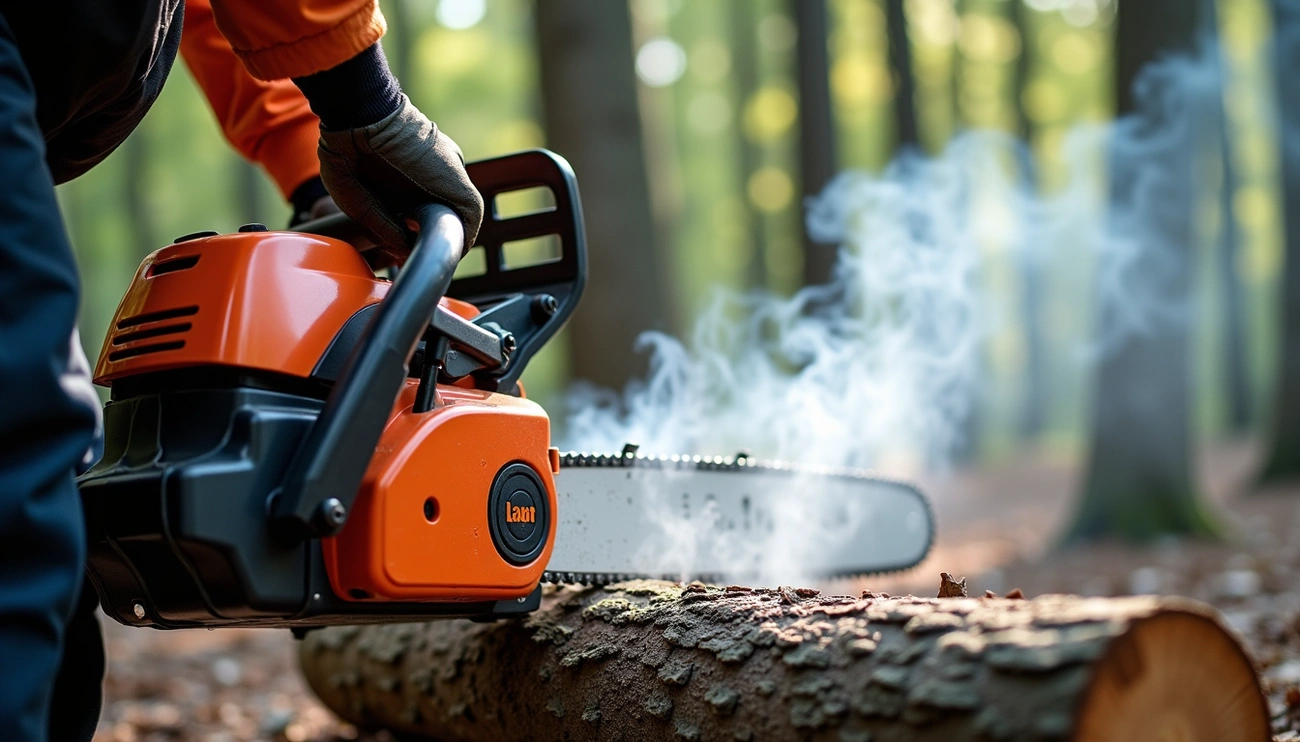
Your chainsaw is smoking due to excessive friction or engine problems. A dull chain, chain tension that is too tight, low bar oil, or a clogged oiler causes overheating and smoke. Engine issues such as a dirty air filter, incorrect fuel mix, or high idle also create smoke. Black smoke indicates fuel issues, white smoke signals moisture or oil, and blue smoke means oil burning. Check chain sharpness, lubrication, and tension first.
What Different Chainsaw Smoke Colors Mean
Smoke from your chainsaw isn’t just an annoyance—it’s a valuable diagnostic signal. The color of the smoke provides critical clues about what’s happening inside your equipment. By identifying these visual cues accurately, you can address problems before they lead to costly repairs or complete equipment failure.
Blue smoke: Oil burning in engine
When you see blue smoke billowing from your chainsaw, it’s a clear indicator that oil is burning within the engine system. This typically happens due to several mechanical issues. Worn piston rings or valve seals often allow oil to seep into the combustion chamber where it shouldn’t be. As a result, oil consumption increases dramatically and engine performance begins to decline.
Furthermore, blue smoke might appear if your fuel mixture contains excessive oil, creating significant combustion complications. For two-stroke engines, this often happens when the oil-to-gas ratio is incorrect. Faulty seals can cause oil leaks into critical engine components, consequently leading to blue smoke production. Though blue smoke signals a problem, it doesn’t always indicate immediate catastrophic failure—nevertheless, professional assessment is recommended as engine failure becomes imminent if left unaddressed.
Black smoke: Fuel combustion issues
Black smoke signals incomplete fuel combustion and emerges from fuel system inefficiencies. If your chainsaw is belching dark smoke, the combustion process has become irregular. A primary cause is a clogged air filter restricting critical airflow and disrupting the engine’s delicate balance.
Incorrect carburetor settings equally contribute to this issue by creating an overly rich fuel mixture. In some cases, an over-choked engine causes excessive fuel to enter the combustion chamber, producing black smoke. During operation, you’ll notice engine efficiency drops substantially, fuel consumption increases, and power loss becomes noticeable. These symptoms warrant a comprehensive fuel system inspection to prevent long-term damage.
White smoke: Water or coolant contamination
White smoke often points to water or coolant contamination in the engine. Though less common in smaller chainsaws, this issue is particularly serious in larger models. Contaminated fuel containing water creates distinctive white smoke patterns.
A failing head gasket might allow coolant to seep into the engine’s cylinders. Similarly, a cracked or warped cylinder head can weaken the seal between components, permitting coolant to enter where it shouldn’t. In certain cases, engine overheating causes oil to vaporize, producing similar visual indicators. The implications demand immediate attention since extensive repairs may become necessary, and safety risks increase significantly if the problem persists.
Top Reasons Your Chainsaw Is Smoking
Now that we understand what the different smoke colors indicate, let’s examine the underlying causes of chainsaw smoking. Identifying the root problem helps determine the appropriate fix and prevents potential damage to your valuable tool.
Overheating from extended use
Chainsaw overheating occurs primarily through continuous operation without adequate cooling periods. Internal temperatures rise rapidly during extended use, placing significant stress on mechanical components. This excessive heat produces smoke as the lubrication system becomes compromised. Environmental factors and operational conditions further contribute to overheating issues. Over time, mechanical friction builds up quickly, especially with insufficient maintenance, making smoke an inevitable warning of impending mechanical failure.
Dull or damaged chain
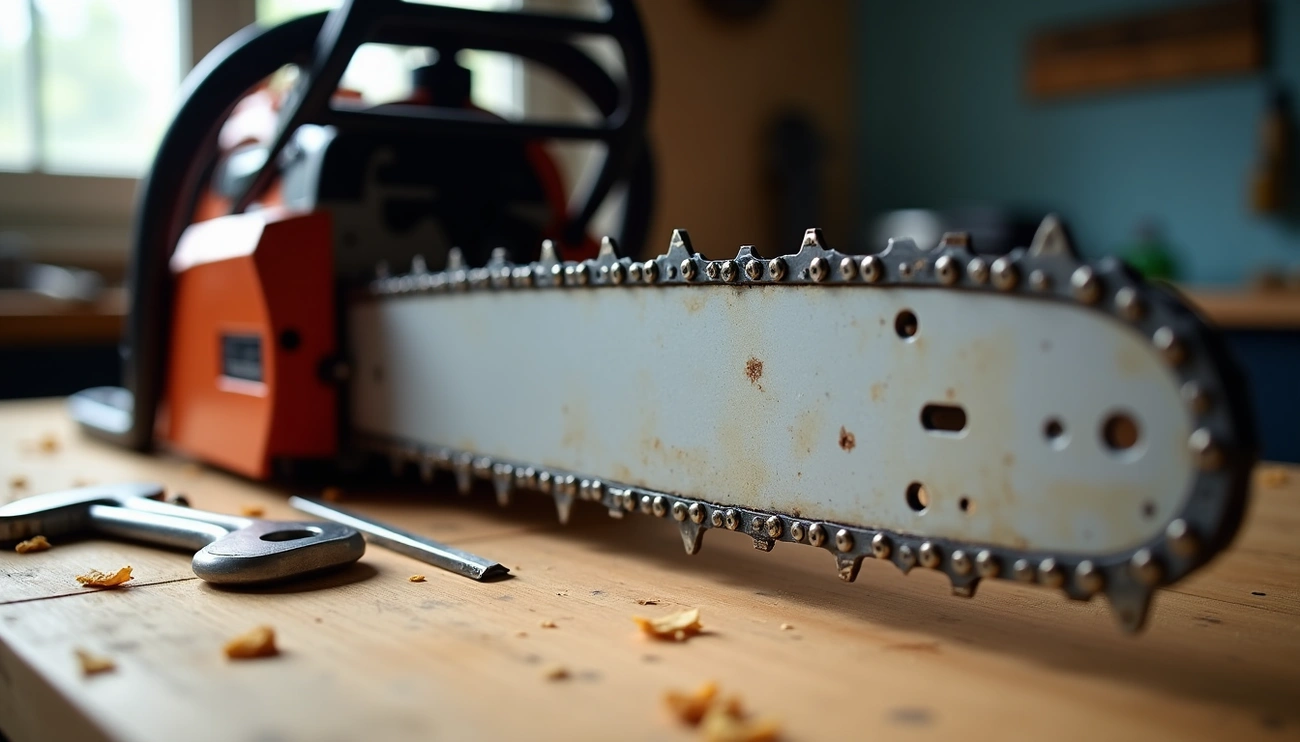
A dull chainsaw chain creates multiple performance problems. Most notably, cutting efficiency drops dramatically as mechanical stress increases exponentially. The friction generated from a dull chain produces unexpected heat, eventually leading to smoke production. You’ll recognize a dull chain when it creates fine sawdust instead of coarse strands while cutting. Chain dulling happens gradually through regular use, cutting hard materials, ground contact, and improper maintenance. Ultimately, this dulling increases friction until the wood or chain starts smoking, even with proper lubrication.
Incorrect fuel mixture (gas chainsaws)
Gas-powered chainsaws require precise fuel mixture ratios to function effectively. Most manufacturers recommend a standard 50:1 ratio of gasoline to two-stroke engine oil, although some specify 33:1 (3% oil). Small errors can dramatically influence this ratio, especially when mixing small quantities. Too little oil causes severe engine damage from insufficient lubrication, whereas too much oil generates blue or white smoke and fouls spark plugs. Improper mixing creates immediate combustion complications, causing carbon deposits within the engine and rapid performance decline.
Clogged air filter or spark arrestor
Air filters prevent debris from entering the engine. Once blocked, they create substantial airflow restriction, critically limiting oxygen intake and disrupting the fuel-air balance. This incomplete combustion produces black smoke from the exhaust. Likewise, the spark arrestor (a small screen in the exhaust) can become clogged with soot, restricting airflow and causing poor combustion, higher engine temperatures, and increased smoke production.
Electrical faults in corded or battery models
Electric chainsaws present unique smoking issues. Wiring insulation breakdown represents a critical failure point that can produce smoke. Short circuits develop gradually, compromising electrical integrity. Motor brush degradation naturally occurs over time, potentially creating friction, heat, and smoke symptoms. In older electric models, smoking often indicates the motor has burned out, typically meaning the end of the saw’s useful life because many electric models are designed to be replaced rather than repaired.
How to Troubleshoot a Smoking Chainsaw
When you notice smoke coming from your chainsaw, taking immediate action is crucial to prevent further damage. Here’s a systematic approach to diagnose and fix the problem.
Shut down and let it cool
Initially, stop operating your chainsaw immediately upon seeing smoke. This prevents potential catastrophic failure. For electric models, disconnect the power source, while battery-operated chainsaws should cool completely. Creating a safe environment for inspection is paramount before proceeding with troubleshooting.
Inspect the chain for wear or damage
Upon cooling, examine your chain methodically for visible wear signs and damaged teeth. Check if the chain moves freely around the bar without binding. Irregular wear patterns often indicate problems that cause excessive friction and smoke.
Check fuel mix and quality
For gas chainsaws, verify you’re using the recommended 50:1 ratio of gasoline to two-stroke oil. Outdated gasoline begins deteriorating after just a few weeks, causing rough running. Always use fresh fuel and properly measured oil to prevent smoking issues.
Clean or replace the air filter
Primarily in gas chainsaws, a clogged air filter restricts airflow, causing incomplete combustion. Clean your filter after approximately 10 hours of use. Remove the cover, wipe the airbox, and either clean or replace the filter depending on its condition.
Inspect electrical connections and battery
Finally, check corded chainsaws for damaged wiring or frayed power cords. For battery-operated models, examine for swelling, discoloration, or structural damage. Unusual smoke from electric models often signals immediate unplugging is necessary.
How to Prevent Chainsaw Smoking in the Future
Preventing chainsaw smoke requires proactive care and attention to detail. By implementing these preventive measures, you’ll maintain optimal performance throughout your tool’s lifespan.
Stick to regular maintenance schedules
Consistent maintenance dramatically extends equipment life by catching problems early. Create a comprehensive maintenance log to track weekly equipment checks and cleaning routines. Keep your saw’s cooling fins and intake vents clear of debris to prevent overheating. Moreover, schedule periodic professional inspections to identify issues invisible to untrained eyes.
Sharpen and lubricate the chain often
A sharp chain prevents smoking caused by excessive friction. Sharpen your chain after every few tanks of fuel or whenever you notice it creating sawdust instead of proper wood chips. Clean oil delivery holes regularly to ensure proper lubrication. Thereafter, check that bar oil is flowing and circulating properly throughout the cutting system.
Use the correct fuel and oil
For gas chainsaws, follow the manufacturer-recommended 50:1 fuel-to-oil ratio (2% oil). Mix small batches in clean, marked containers to maintain freshness. Nonetheless, always use specialized two-stroke oil designed specifically for chainsaws, never regular motor oil.
Avoid overworking the chainsaw
Plan work sessions with strategic breaks to prevent overheating. Allow your saw to rest for approximately 30 minutes after extended operation. Meanwhile, maintain the optimal working RPM range between 8,000-10,000, as higher ranges can quickly damage the engine.
Store in a clean, dry place
Before storage, empty and clean the fuel tank in a well-ventilated area. Run the carburetor at idle to prevent diaphragm sticking. Subsequently, remove the chain and bar, clean thoroughly, and spray with protective oil. Store upright in a dry location, away from moisture and direct sunlight.
Conclusion
Smoke from your chainsaw serves as an important warning signal that should never be ignored. Throughout this guide, we’ve seen that different smoke colors indicate specific problems – blue smoke points to burning oil, black smoke suggests fuel combustion issues, and white smoke typically signals water contamination. Additionally, we’ve explored the five main causes: overheating, dull chains, incorrect fuel mixtures, clogged filters, and electrical faults.
Proper troubleshooting starts with shutting down your chainsaw immediately when smoke appears. After that, a systematic inspection of the chain, fuel, filters, and electrical components will help identify the specific issue. Nevertheless, prevention remains the most effective approach to chainsaw maintenance.
Regular maintenance schedules, frequent chain sharpening, correct fuel mixtures, appropriate work pacing, and proper storage collectively ensure your chainsaw operates smoothly. These practices not only prevent smoking issues but also extend the lifespan of your equipment significantly.