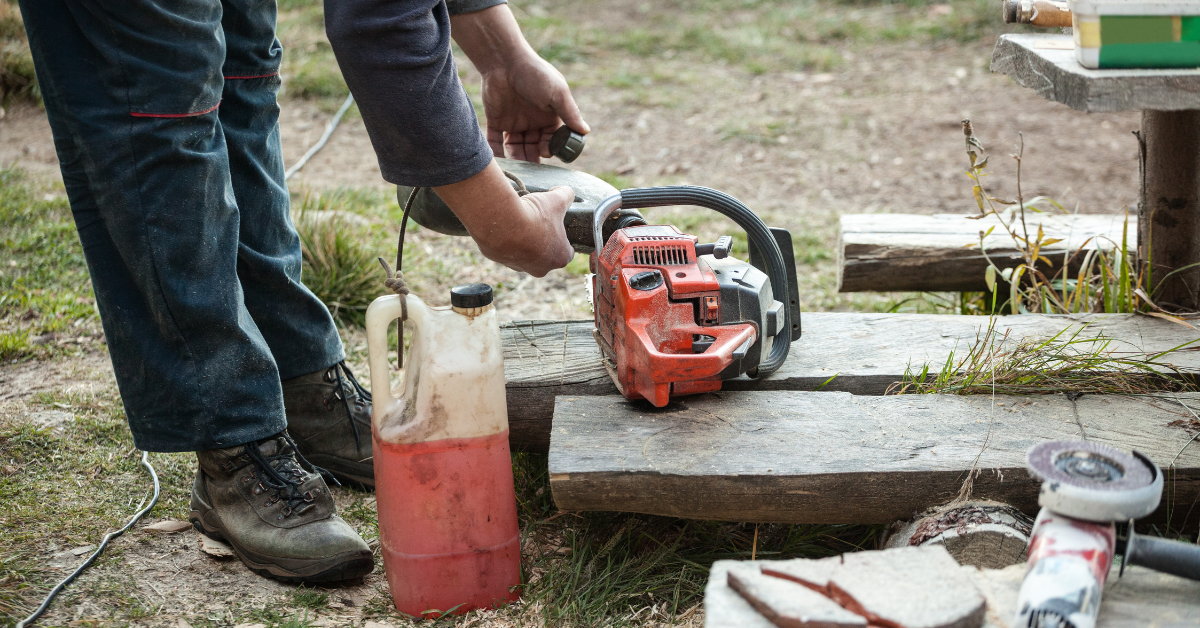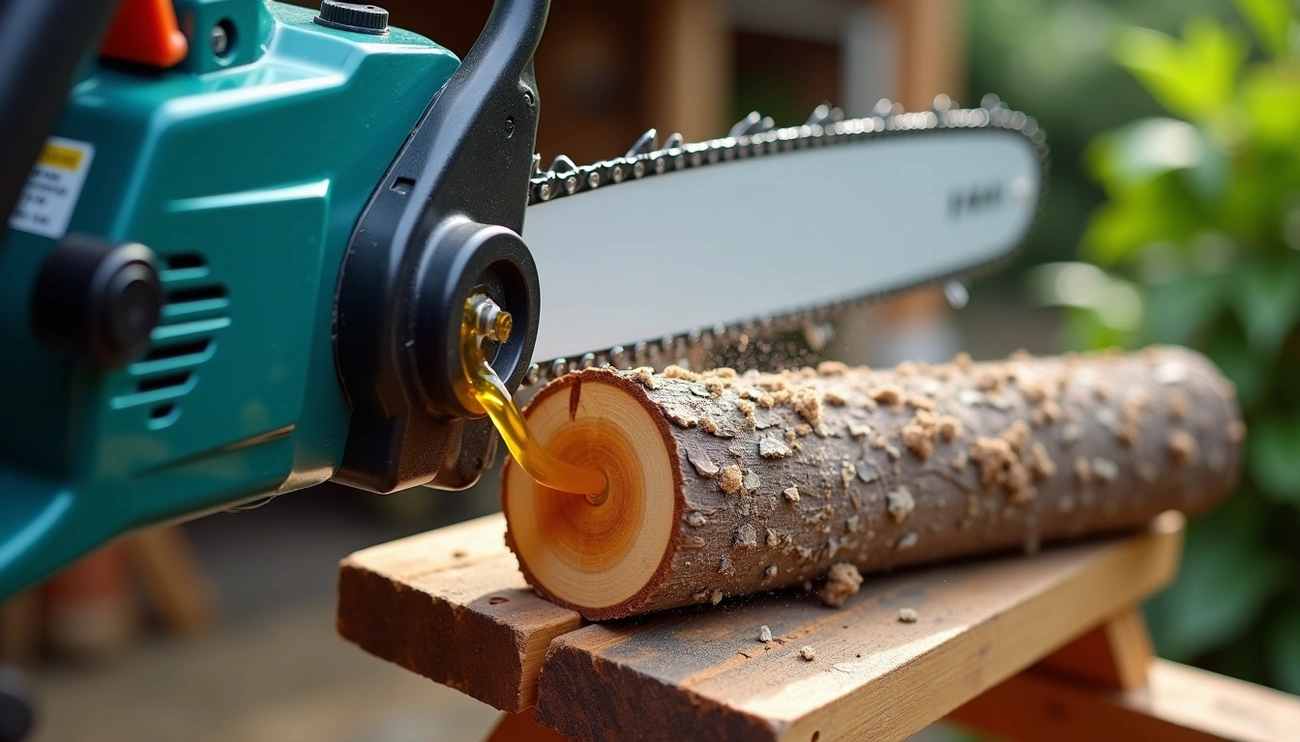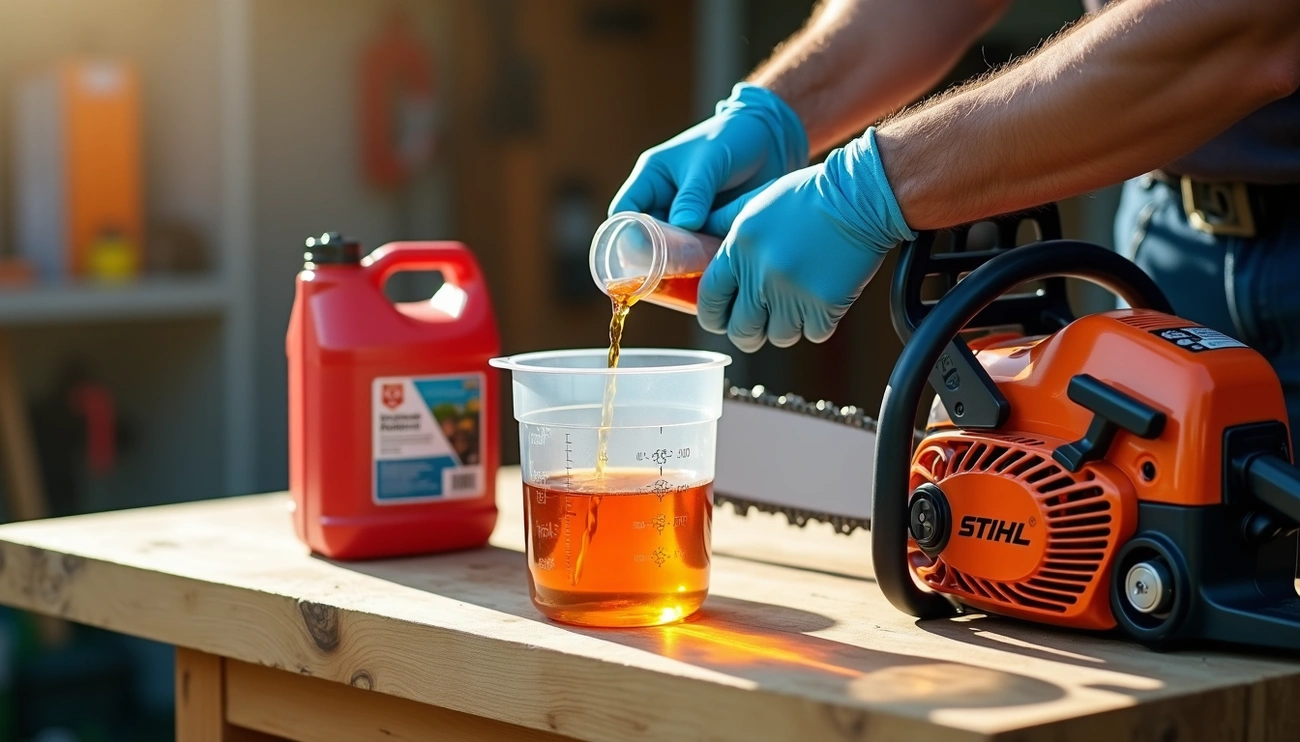
Mix high-quality 2-stroke engine oil with regular gasoline for a chainsaw. Most chainsaws use a 50:1 ratio, which equals 2.6 ounces of oil per 1 gallon of gas. Use ethanol-free fuel when possible and always follow the ratio listed in the owner’s manual, as some models require 40:1 or 32:1.
Understanding the Right Chainsaw Fuel Mix
Two-stroke engines power most chainsaws on the market, making it essential to understand their unique fuel requirements. Unlike your car’s four-stroke engine, your chainsaw demands special attention when it comes to fueling.
What is a two stroke mix?
Two-stroke engines have a fundamental difference from four-stroke engines – they lack an internal oil reservoir. Instead, these engines require oil mixed directly into the gasoline to lubricate internal components during operation. Essentially, while a four-stroke engine has a separate oil system, two-stroke engines rely on oil in the fuel to protect critical engine parts during combustion.
Recommended gas to oil ratio (50:1 explained)
For most modern chainsaws, manufacturers recommend a 50:1 gas-to-oil ratio. This precise measurement means 50 parts gasoline to 1 part two-stroke oil. In practical terms, this translates to 2.6 ounces of oil per gallon of gas.
Getting this ratio correct is crucial because:
- Too much oil results in carbon buildup, smoking, and poor performance
- Too little oil causes overheating and potential engine damage
Different equipment may require different ratios – while 50:1 is standard for newer models, some chainsaws might specify 40:1, and older models (pre-2003) often needed 32:1.
What kind of oil to mix with gas for chainsaw?
Always use oil specifically designed for air-cooled two-stroke engines. You have three main options:
- Mineral oils: Less expensive but leave heavier deposits over time
- Full synthetic oils: Superior combustion with minimal residue, leaving a cleaner engine
- Semi-synthetic oils: A middle ground offering better combustion than mineral oils at a lower cost than full synthetics
Never use oils intended for water-cooled engines (outboard oil) or four-stroke motor oil in your chainsaw.
Why fuel quality matters
High-quality fuel serves as the foundation of proper chainsaw operation. Use fresh unleaded gasoline with a minimum octane rating of 90 RON. Although most modern chainsaws can handle fuel with 5-10% ethanol content, ethanol can degrade fuel quality over time.
Furthermore, mixed fuel deteriorates rapidly – try to use it within 30 days. Oxygen and moisture can infiltrate stored fuel, potentially creating a resinous “gum” that clogs filters and damages engine components.
How to Mix Gas and Oil for Chainsaw Safely
Proper mixing of gas and oil for your chainsaw isn’t just about ratios—it’s about safety, precision, and technique. Let’s explore the practical steps to ensure your chainsaw runs smoothly.
Step-by-step mixing process
Creating the perfect two-stroke mix involves more than just combining ingredients:
- Select a well-ventilated area away from open flames or sources of ignition
- Pour half of your unleaded gasoline into the approved container first
- Add the entire amount of two-stroke oil required for your mixture
- Shake vigorously for 10-15 seconds to begin combining
- Add the remaining gasoline to the container
- Shake for another 10-15 seconds to ensure thorough mixing
- Open the container carefully before use, as pressure may build up inside
Choosing the right container
Not all containers are suitable for chainsaw fuel preparation. Consider these options:
A fuel-approved container is absolutely essential—never mix in unapproved vessels. Professional metal canisters with childproof caps provide superior safety. For convenience, look into combination canisters that hold both fuel (5L) and chain oil (3L) in a single unit.
Mixing tips to avoid separation
Given that gas and oil naturally want to separate, follow these practices:
Always shake mixed fuel thoroughly before each use. Mark your fuel containers clearly—some professionals tie red plastic flag tape to the handles of mixed fuel containers to prevent mistakes. Furthermore, mix only small quantities at a time to ensure freshness.
How to store mixed fuel properly
Once mixed, fuel has a limited shelf life:
Store chainsaw fuel mix for no more than 30 days. After this timeframe, separation becomes increasingly likely as moisture binds to ethanol and sinks to the bottom. Prior to storage, label the container with the mixing date. When storing equipment for extended periods, empty the tank completely and run the engine dry.
Remember that proper fuel handling not only extends your chainsaw’s life but also ensures your safety throughout each cutting job.
Common Mistakes to Avoid When Mixing Chainsaw Fuel
Even experienced chainsaw users make critical errors when preparing fuel mix that can lead to costly repairs or complete equipment failure. Knowing these pitfalls will help protect your investment.
Using the wrong oil type
Always use oil specifically designed for air-cooled two-stroke engines with TC classification. Using marine oils or regular motor oil can seriously damage your chainsaw engine. Inferior products potentially harm the engine, sealing rings, and fuel tank.
Incorrect ratio calculations
Small errors can drastically influence your mixture ratio, particularly when mixing small quantities. Measure oil carefully to achieve the precise 50:1 ratio (2.6 fl. oz. of oil per gallon of gas) for most modern chainsaws.
Mixing in unapproved containers
Never mix fuel in plastic bottles, milk jugs, or other unapproved containers. These materials may react with fuel components, contaminating your mix. Use only vessels specifically approved for fuel.
Storing fuel for too long
Mixed fuel deteriorates after 30 days as separation occurs when moisture binds to ethanol. Consequently, phase-separated fuel is unusable—even after shaking.
Using E10 without adjustment
Despite being suitable for most modern chainsaws, E10 fuel requires carburetor adjustments to compensate for its altered composition. Moreover, E10 separates faster than regular fuel.
Running the engine with wrong mix
Never run your chainsaw with incorrect fuel mix—even briefly. Insufficient oil causes scoring, seizure, and permanent engine damage, whereas excessive oil leads to carbon buildup and spark arrestor fouling.
Premixed Fuel vs DIY Mix: Which is Better?
For chainsaw owners facing the mix-it-yourself dilemma, commercial premixed fuels present an alternative worth considering.
What is STIHL MotoMix?
STIHL MotoMix is a patented 50:1 premixed fuel combining non-ethanol, high-octane fuel with premium STIHL HP Ultra Oil. This ready-to-use solution eliminates the hassle of measuring and mixing your own two-stroke engine fuel.
Pros and cons of premixed fuel
Pros:
- Ethanol-free composition prevents gum-like deposits in engines
- Extended shelf life—up to 5 years unopened and 2 years after opening
- Optimal starting and consistent engine performance
- Doubles the limited warranty when purchased with STIHL equipment
Cons:
- Considerably more expensive than DIY mixing
When to choose premixed over DIY
Opt for premixed fuel if:
- You use your chainsaw sporadically (a few times per year)
- Storage duration is a concern
- Finding ethanol-free gasoline locally is difficult
- You value convenience over cost savings
Cost and convenience comparison
The price difference is substantial—STIHL MotoMix costs approximately $34.99 per gallon compared to about $8.62 per gallon for DIY mixing. This represents a staggering 683% cost increase. Nevertheless, many occasional users report that premixed fuel results in better starting, especially after storage periods.
Beyond price considerations, premixed fuel eliminates measurement errors, reduces trips to gas stations, and removes the need for storing large quantities of mixed fuel.
Conclusion
Proper fuel mixing stands as a critical factor in maintaining your chainsaw’s performance and longevity. Throughout this guide, we’ve seen how using the correct 50:1 ratio (or manufacturer-specified alternative) directly impacts your equipment’s reliability. Undoubtedly, choosing the right two-stroke oil specifically designed for air-cooled engines will protect your investment from premature wear and costly repairs.
Safety and precision matter equally when preparing your chainsaw fuel. Therefore, always use approved containers, measure carefully, and follow the step-by-step mixing process we’ve outlined. Additionally, remember that mixed fuel deteriorates quickly, so preparing smaller batches and using them within 30 days represents the best practice for optimal performance.
Many chainsaw owners face the decision between convenience and cost when choosing between premixed fuels like STIHL MotoMix and DIY mixing. While premixed options offer significant advantages for occasional users, those who regularly operate chainsaws might find the substantial cost difference hard to justify.