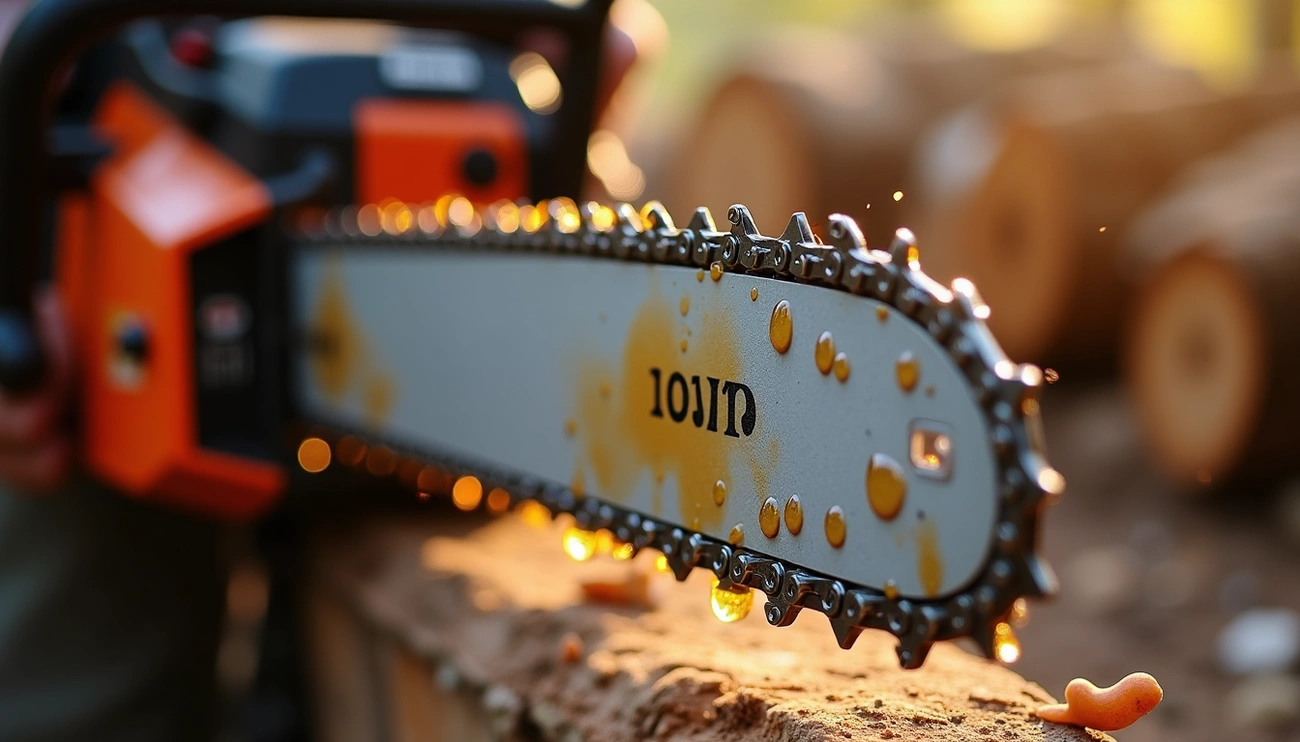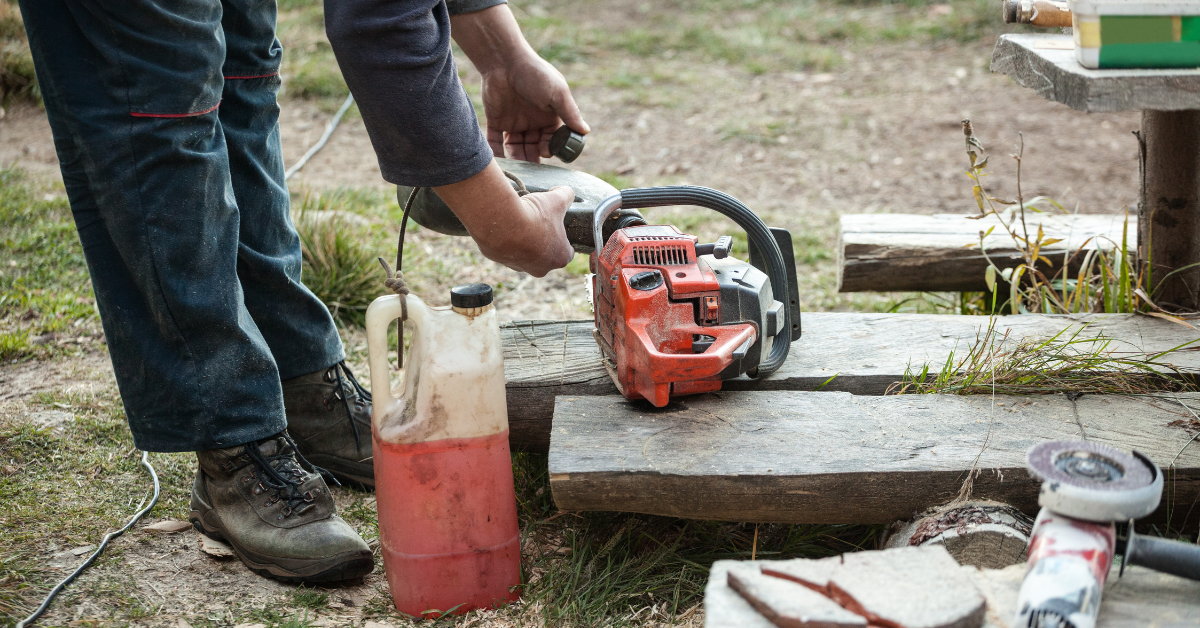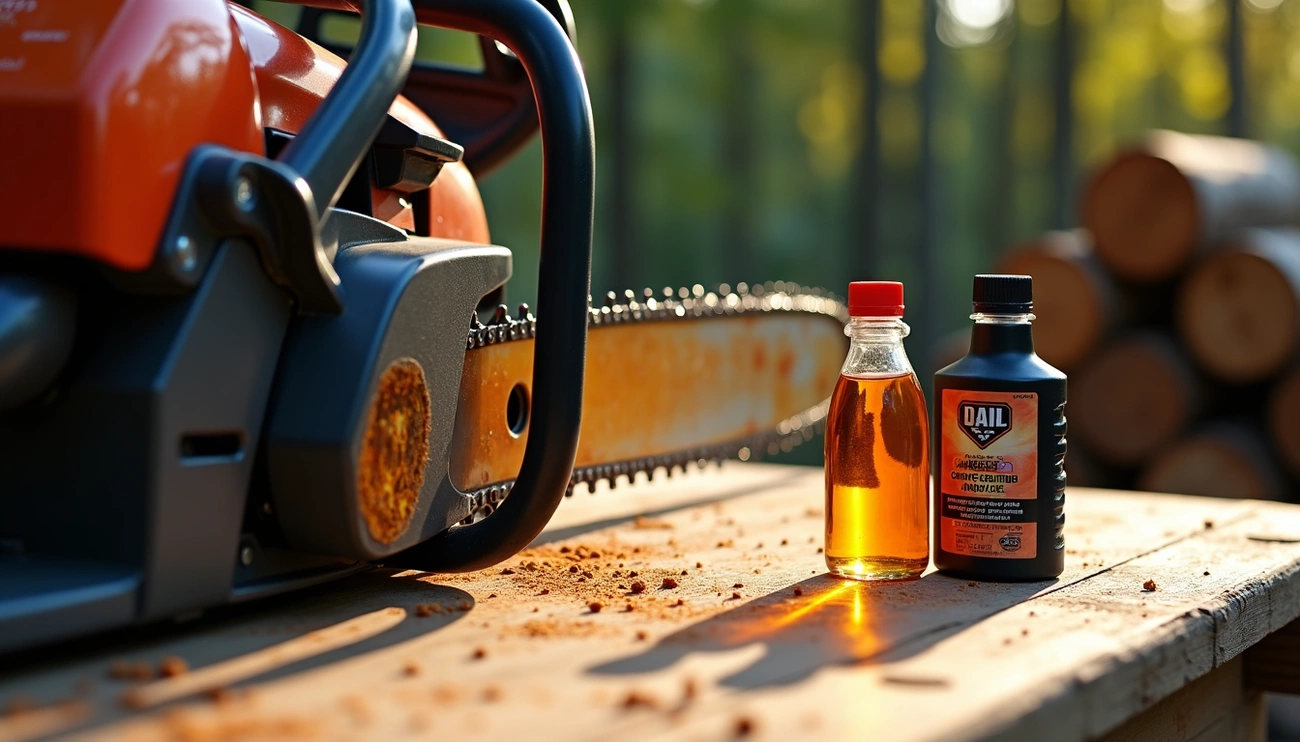
A chainsaw uses bar and chain oil designed to cling to the fast-moving chain and bar. This oil resists slinging, unlike motor oil. Use SAE 30 for warm weather, SAE 10 for cold conditions, or biodegradable bar oil for eco-friendly operation.
What is chainsaw oil and why it matters
Chainsaw oil isn’t just another maintenance item—it’s the lifeblood of your cutting tool. Unlike regular motor oils, chainsaw bar oil is specifically formulated with high tackiness, allowing it to adhere to the chain and guide bar without easily throwing off during operation, even in challenging weather conditions.
Protects bar and chain from wear
The primary function of chainsaw oil is to create a protective layer between metal components. This special oil prevents premature wear of chain links and bars through its high film-strength properties. Without proper lubrication, your chainsaw components will experience significant wear and tear, potentially leading to costly repairs or replacements. Furthermore, quality bar oil ensures smoother operation while reducing the accumulation of sawdust and debris that can accelerate wear.
Using the wrong type of oil—or worse, used motor oil—can be disastrous for your chainsaw. Used motor oil contains metal shavings and contaminants that act like abrasives, dramatically reducing the lifespan of your equipment while potentially voiding your warranty.
Reduces friction and heat
Chainsaw chains move at incredible speeds, generating substantial friction and heat. Proper chainsaw oil forms a protective layer that minimizes metal-on-metal contact between the chain and the bar. Consequently, this reduces friction, which prevents your chainsaw from overheating or warping during heavy cutting sessions.
Without sufficient lubrication, excessive heat buildup can cause your chainsaw to seize up or the chain to break. A dry chainsaw chain gets dangerously hot, creating sparks while cutting and resulting in a dull appearance. Blue marks on the bar and chain are telltale signs of heat damage from inadequate lubrication.
Prevents rust and corrosion
Many chainsaw oils contain anti-rust additives that form a protective barrier against moisture. This protection is especially important if you’re working in wet conditions or storing your saw for extended periods.
High-quality bar and chain oil not only prevents rust but essentially wards off corrosion that can damage metal parts over time. The oil’s formulation helps resist the buildup of deposits such as resins, sap, or gum onto your saw chain. This resistance to contaminants increases the lifespan of your equipment while maintaining peak cutting performance.
Understanding what kind of oil does a chainsaw use is crucial—it’s not merely about keeping things running but about safeguarding your investment and ensuring safe, efficient operation.
Types of oil used in chainsaws
Chainsaws require different types of oils to function properly, each serving a specific purpose. Let’s examine the main types you’ll need to keep your equipment running smoothly.
Bar oil for chainsaw lubrication
Standard bar and chain oil is the most common type of chainsaw oil. This specialized lubricant has a unique tackiness that helps it cling to the chain even at high speeds, reducing sling-off. Good quality bar oil creates a protective film layer that shields metal parts from scuffing and damage. Moreover, it helps prevent rust and corrosion, which is particularly valuable in humid conditions.
Bar oil comes in summer and winter varieties with different viscosities to accommodate temperature changes. Winter oil is thinner to flow smoothly in cold conditions, whereas summer oil is thicker to maintain proper lubrication in hot weather.
2-stroke engine oil for fuel mix
For gas-powered chainsaws with 2-stroke engines, you’ll need to mix oil with gasoline. Typically, the correct fuel-to-oil ratio is 50:1 (2% two-stroke oil to fuel). For example, 5 liters of fuel requires 100ml of two-stroke oil. This mixture is crucial because it lubricates internal engine components that lack a separate lubrication system.
Using the wrong type of fuel or incorrect ratio can cause serious damage to your chainsaw’s engine. Always check your manufacturer’s specifications, as some models may require different mixing ratios.
Biodegradable and vegetable-based oils
Environmentally conscious users can opt for biodegradable oils, typically made from canola (rapeseed) or other vegetable oils. These alternatives reduce environmental impact since virtually all chainsaw bar oil ends up in the environment during use.
Biodegradable oils offer excellent lubrication properties and some studies show up to 40% reduction in consumption without sacrificing bar and chain life. Although generally more expensive than petroleum-based products, they’re safer for both users and ecosystems.
Hydraulic oil for heavy-duty tools
For industrial chainsaws and related equipment like stump grinders and wood chippers, hydraulic oil provides necessary lubrication. This type is specifically formulated to maintain consistent viscosity regardless of temperature variations while preventing rust, corrosion, and oxidation.
How to choose the right oil for your chainsaw
Selecting the perfect oil for your chainsaw isn’t just about grabbing any lubricant off the shelf. Several factors determine which oil will work best for your specific situation.
Consider chainsaw type: electric vs gas
Electric chainsaws only need bar and chain oil since they don’t have combustion engines. Meanwhile, gas-powered models require both bar oil and the correct two-stroke engine oil mixed with fuel at the proper ratio (typically 40:1 or 50:1 depending on the model).
Match oil to climate: cold vs hot weather
Temperature significantly affects oil performance. In cold climates below 32°F/0°C, I use thinner oils (10W) that flow more easily at startup. For hot weather above 90°F/32°C, thicker oils (30W-40W) provide better lubrication without excessive thinning. In mild climates between these extremes, medium-weight oils (30W) offer balanced performance.
Wood type: softwood vs hardwood vs resinous
Interestingly, wood type influences oil selection too. For softwoods like pine, thinner oils reduce resistance and prevent residue buildup. Hardwoods such as oak benefit from thicker oils (30W) that withstand extra friction. When cutting resinous woods like cedar, look for specialized “resinous wood-friendly” formulations that combat sap buildup.
Check manufacturer recommendations
Always consult your chainsaw’s manual for specific oil requirements. Following these guidelines ensures optimal performance and maintains warranty protection.
Understanding oil weight and viscosity
Oil weight and viscosity are fundamental concepts that directly impact your chainsaw’s performance and longevity. Let me break down these technical terms into practical knowledge you can actually use.
What oil weight means (SAE ratings)
Oil weight refers to how thick or thin an oil is—a crucial characteristic affecting how well oil moves and protects machine parts. The Society of Automotive Engineers (SAE) ratings indicate this thickness through numbers like 10W or 30. Higher numbers mean thicker oil, while the “W” stands for winter, indicating how the oil performs in cold temperatures.
How temperature affects oil flow
Temperature dramatically changes how oil behaves. In cold conditions, oil becomes thicker and flows slower, reducing lubrication efficiency and potentially causing increased friction and wear. Conversely, hot temperatures make oil thinner, decreasing viscosity and sometimes compromising protection as metal parts can make direct contact.
Choosing between 10W, 30W, and multi-grade oils
For cold climates (below 32°F), thinner 10W oils flow easily at startup. Medium-weight 30W oils work best in mild temperatures (32°F-90°F). For hot conditions (above 90°F), thicker oils maintain adequate lubrication. Multi-grade oils like 10W-30 perform across varying temperatures, tested at both low and high temperatures.
Why oil thickness matters for performance
Using incorrect oil weight leads to rough chain movement, overheating, and premature wear. Thicker oils trap contaminants better but require more power to pump. Thinner oils reduce friction but might not provide sufficient protection under heavy loads.
Conclusion
Throughout this guide, we’ve explored the essential world of chainsaw oils and their critical role in maintenance. Undoubtedly, using the correct oil significantly extends your chainsaw’s life while ensuring safe, efficient operation. Whether you’re using bar oil for chain lubrication, 2-stroke oil for your gas engine, or considering eco-friendly alternatives, the right choice makes all the difference.
Remember, your specific chainsaw type ultimately dictates your oil needs. Electric models require only bar and chain oil, whereas gas-powered saws need both bar oil and properly mixed two-stroke engine oil. Additionally, factors like climate and wood type should influence your selection process. Cold weather demands thinner oils, while thicker formulations work better in hot conditions.
The weight and viscosity of your chosen oil directly affect your saw’s performance. Therefore, I always check my manufacturer’s recommendations before making any decisions about oil types. This simple step prevents potentially costly damage while maintaining warranty protection.