Porting a chainsaw means modifying the engine’s intake, transfer, and exhaust ports to increase airflow and change timing. This process uses precision grinding to boost power, improve throttle response, and increase cutting speed. Porting upgrades engine performance, not just exhaust loudness.
What is chainsaw porting?
Chainsaw porting represents one of the most significant performance modifications you can make to a 2-stroke saw engine. Let’s break down exactly what this process entails and why it matters to woodcutters and saw enthusiasts alike.
Definition of porting a chainsaw
Fundamentally, chainsaw porting refers to modifications made to the openings (ports) in the cylinder through which gas, air, and exhaust flow. This process involves carefully enlarging, reshaping, and sometimes repositioning these ports to enhance the saw’s performance. The technical work focuses on improving how efficiently the engine “breathes” by optimizing the flow of fuel mixture into the cylinder and exhaust gasses out of it.
Experienced builders recognize different levels of porting. A “woods port” represents a milder modification designed for practical forestry work, while more aggressive porting is typically reserved for competition saws. When done correctly, a woods-ported saw runs harder than stock while maintaining reliability and longevity.
How it differs from muffler mods
Many newcomers confuse porting with simple muffler modifications, but these are distinct upgrades. A muffler mod primarily focuses on the exhaust outlet after gasses leave the cylinder, reducing backpressure to increase power higher in the RPM range. In contrast, porting addresses the actual engine ports within the cylinder itself.
Muffler mods represent the “low-hanging fruit” of chainsaw performance modifications – relatively simple changes that can yield noticeable improvements. Complete porting goes much deeper, addressing the entire breathing cycle of the engine. As one experienced builder notes, “90% of gains are found in 10% of the work”, suggesting muffler mods offer substantial benefits with minimal effort compared to full porting.
What is a ported chainsaw?
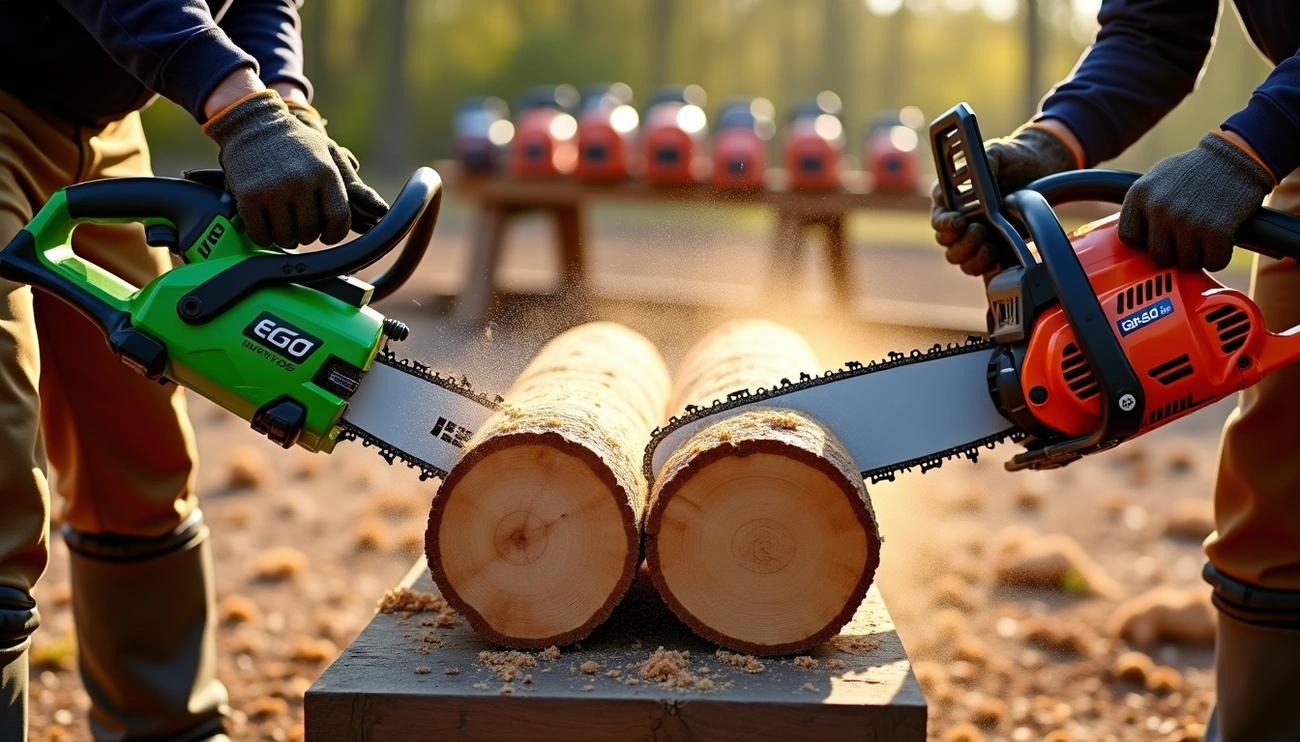
A ported chainsaw features modified cylinder ports that allow it to process more air and fuel mixture in less time. In essence, it’s a saw that makes more power by moving gasses through the engine more efficiently. The modifications typically result in increased fuel consumption alongside improved cutting speed – about 10-15% faster cutting according to some users.
Woods-ported saws balance performance gains with practical reliability. They’re built to maintain longevity while delivering more power than stock saws. This approach contrasts with race-ported saws, which sacrifice durability for maximum performance in competition settings.
Why do people port chainsaws?
Chainsaw enthusiasts and professionals alike have compelling reasons for seeking out ported saws. The motivation ultimately boils down to getting more performance without necessarily buying a larger, heavier machine.
Improved power and RPM
The primary reason people port chainsaws is straightforward: significant power gains. A properly executed woods port job can add 25-40% to cutting speed without compromising engine longevity. This performance boost allows operators to tackle denser wood more efficiently and “lean on the saw harder” during cuts.
Ported saws typically run at higher RPMs than their stock counterparts. Some users report increases of approximately 800 RPM after porting. Furthermore, unlike performance modifications in other two-stroke applications, chainsaw porting works particularly well because saws operate within a narrower RPM range.
Better throttle response
One benefit immediately noticeable to users is enhanced throttle response. A ported chainsaw reacts more quickly to throttle input, providing better control during cutting operations. This improvement comes from optimized port designs that create more efficient gas flow and better case compression.
As one expert notes, “A port that’s nice and tight, maximum port opening in first few degrees, makes a big difference” in how quickly the saw responds. Consequently, this improved throttle behavior helps the saw recover RPM more effectively after being lugged down in tough cuts.
Lighter saws with more output
Many users choose to port a smaller saw instead of purchasing a heavier model. As one builder explains, “Bigger displacement saws are heavy, and in many cases much slower”. For instance, making a 70cc saw 40% faster through porting gives you the cutting capacity of a much larger saw without the added weight.
Cost-effective alternative to buying a bigger saw
Finally, porting offers financial advantages. Some enthusiasts report purchasing a damaged saw for as little as $150, then spending approximately $500 on repairs and porting. Despite this investment, the resulting saw performs comparably to significantly more expensive models, often lasting “a lifetime” with proper maintenance.
How is a chainsaw ported?
The technical process of porting involves precise modifications to a chainsaw’s engine components. Understanding these modifications provides insight into what it really means to port a chainsaw.
Cylinder and exhaust modifications
Porting primarily focuses on modifying three key areas: transfer ports, exhaust ports, and intake ports within the cylinder. Professional porters typically widen the exhaust port to approximately 65% of the bore diameter rather than lowering it, which could compromise performance. Additionally, they match the lower transfers to the engine case.
Proper port work generally includes CNC cylinder porting, exhaust port enlargement with timing adjustments and polishing, intake port enlargement, and combustion chamber modifications through squish band cutting. Throughout this process, maintaining proper beveling is crucial—most experts recommend using a round stone to create a slight bevel, preventing ring damage.
Tools used in porting
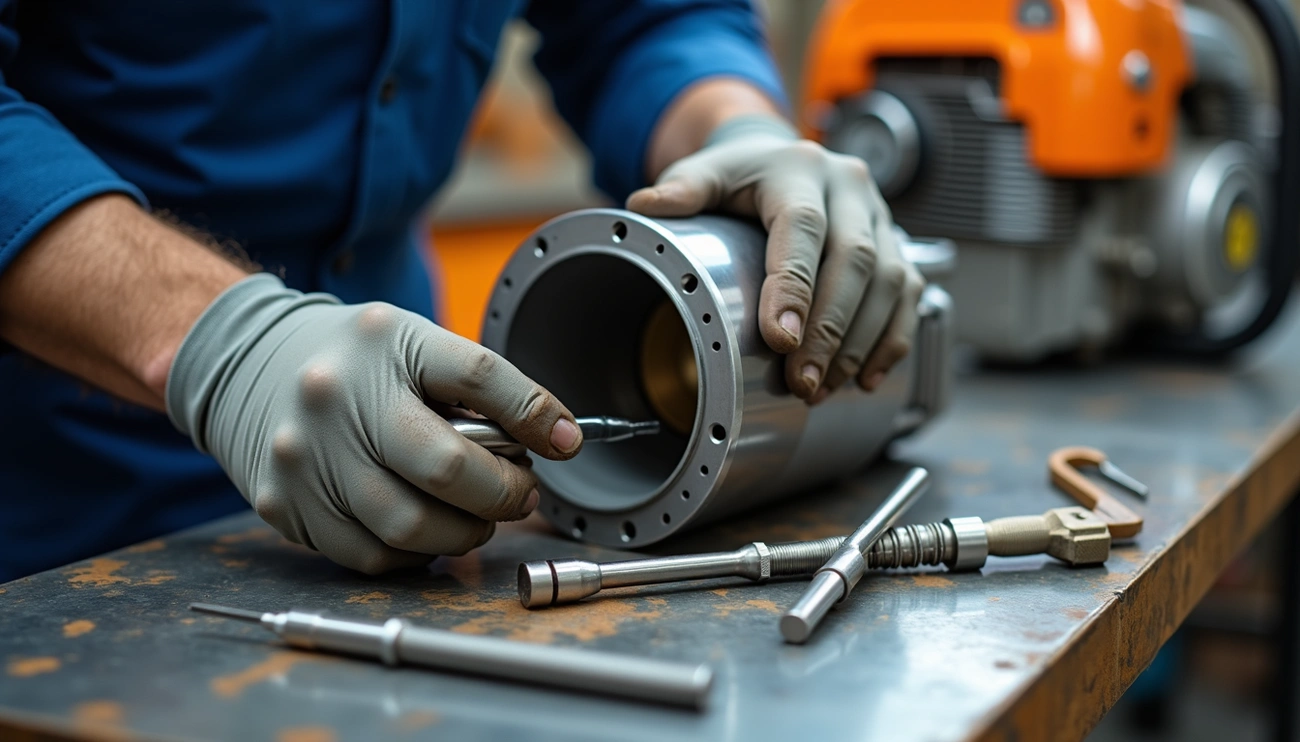
For beginners considering how to port a chainsaw, several specialized tools are necessary. Most professionals utilize a flexible shaft grinder with both straight and right-angle handpieces. Moreover, quality carbide burrs and diamond stones are essential for precise metal removal and finishing.
Although some enthusiasts start with basic tools like Dremel rotary tools, serious porting work typically requires more specialized equipment. Importantly, a timing wheel is needed to check port durations and openings.
Tuning after porting
Once porting is complete, proper tuning becomes essential. Since ported saws breathe differently than stock models, carburetor adjustments must be made to match the new airflow characteristics. Generally, this involves richening the fuel mixture since ported saws typically consume more fuel.
For saws with limited coils, tuning requires special attention as they may hit RPM limiters before achieving optimal settings.
How to port a chainsaw safely
Safety remains paramount throughout the porting process. First-time porters should expect multiple assembly and disassembly cycles—sometimes six or more—to get everything right. Many experts recommend beginning with older, simpler models rather than newer electronic-controlled saws.
Most importantly, novices should recognize that chainsaw porting carries risks. Without proper knowledge, you might actually decrease performance or damage engine components. Hence, many enthusiasts send their saws to specialized shops rather than attempting complex modifications themselves.
Is porting worth it or risky?
Deciding whether to port a chainsaw involves weighing several crucial factors. This modification presents both significant benefits and potential drawbacks that every saw owner should consider.
Performance vs. reliability
Primarily, a woods-ported saw offers 20-30% more power output without necessarily reducing longevity. Even so, more aggressive race porting typically sacrifices durability for maximum performance. One experienced user notes that “increasing the power output of an engine generally shortens its lifespan”.
Impact on warranty and lifespan
Admittedly, porting voids manufacturer warranties. Nevertheless, a properly woods-ported saw can maintain similar reliability to stock models, especially with attentive maintenance. As one expert explains: “If a good woods port job ups the performance but knocks 30% off the expected service life, what do you have? 1400 hours of run time”—still sufficient for most non-professional users.
Compatibility with M-Tronic and AutoTune systems
Modern electronic fuel management systems introduce additional considerations. These computerized systems have limitations—”there has to be a point where these systems can’t cope anymore” with extensive modifications. Many competitive racing saws ultimately have electronic components removed entirely.
Why manufacturers don’t port saws by default
Manufacturers avoid factory porting largely due to production costs and compliance requirements. The meticulous hand-fitting process isn’t conducive to mass manufacturing. Additionally, factories must design engines to meet noise restrictions and emission requirements while ensuring durability for average users.
Conclusion
Chainsaw porting represents a significant modification that can transform your saw’s performance through optimized airflow. Throughout this guide, we’ve explored what actually happens during the porting process and why many enthusiasts choose this path for their equipment.
After examining the details, one thing remains clear – ported chainsaws offer substantial benefits for the right user. Power gains of 25-40% certainly make a compelling case for those who need extra cutting capacity without moving to heavier models. Additionally, the improved throttle response provides better control during challenging cutting operations.
Nevertheless, this modification comes with important tradeoffs. Warranty concerns, compatibility issues with modern electronic systems, and the specialized knowledge required make porting best suited for experienced saw operators rather than casual users. Most importantly, the decision ultimately depends on your specific needs – professional loggers and serious enthusiasts will likely appreciate the performance gains more than occasional weekend users.