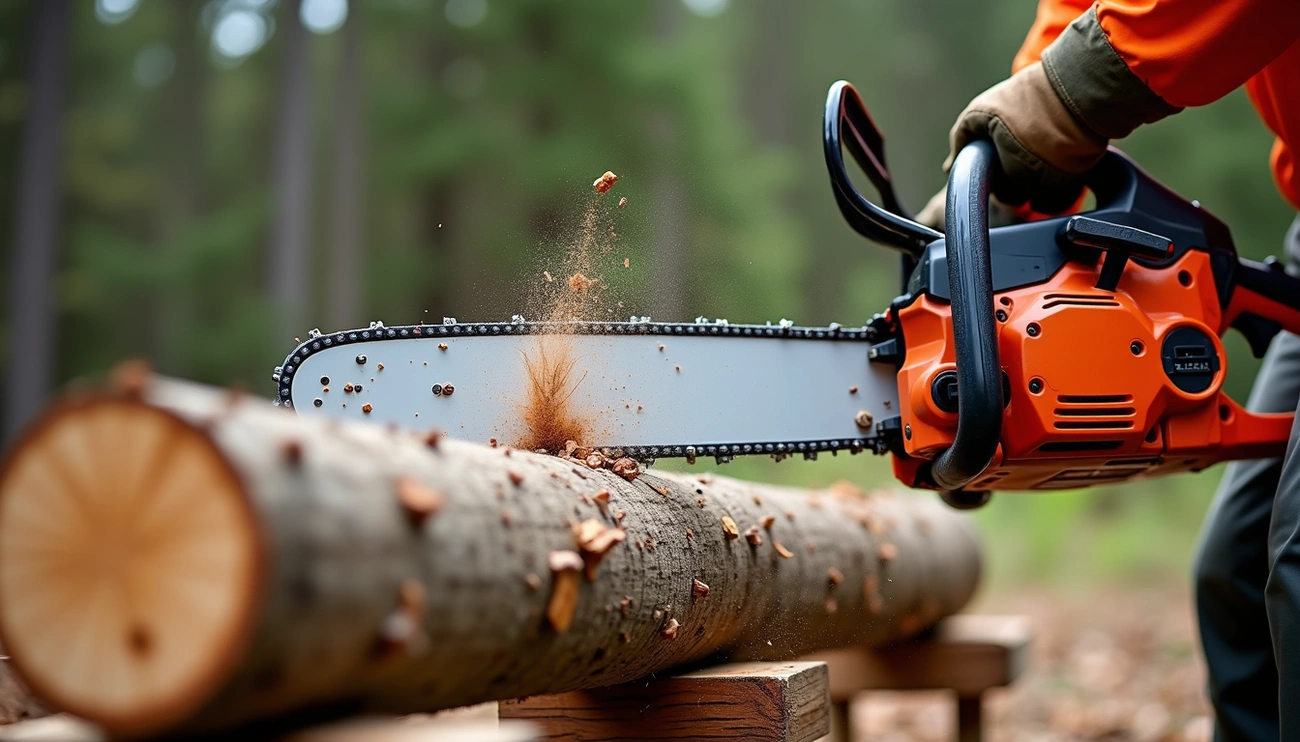
Chainsaw kickback is caused when the chain suddenly stops or binds while the engine is running. This abrupt stoppage forces the chainsaw to rotate violently upward and backward toward the operator. Kickback most often occurs when the tip of the guide bar contacts wood or another solid object.
What is Chainsaw Kickback?
Chainsaw kickback represents one of the most terrifying moments any operator can experience. By definition, kickback is the rapid, unexpected upward motion of the guide bar that occurs with minimal warning. This dangerous phenomenon happens through two primary mechanisms: either the moving chain at the tip/nose of the guide bar strikes an object, or the wood closes in and pinches the saw chain in the middle of a cut.
How kickback happens in a split second
The physics behind kickback is straightforward yet frightening. As the chainsaw operates, considerable force maintains the cutting chain’s rotation at high speeds. However, if the chain’s movement abruptly stops, all that momentum transfers instantaneously into the saw itself. Consequently, this forces the machine to pivot violently upward and backward toward the operator. This entire sequence unfolds at lightning speed—faster than human reaction time—making it nearly impossible to stop once initiated.
Understanding the kickback zone
The “kickback zone” refers to the upper quadrant of the bar’s tip—essentially the top half of the nose. This area creates particular danger because as the chain rotates around this curve, the cutting teeth can grab more wood than intended. At this point, the rakers (depth limiters) become less effective as the chain makes its sharpest curve. Furthermore, if the chain contacts material in this zone, it creates a rotational force that propels the bar upward in an arc toward the user’s head and upper body.
Why it’s one of the most dangerous chainsaw hazards
The danger of kickback cannot be overstated. According to studies, approximately 28,000 chainsaw-related injuries occur annually, with kickback being a leading cause. The violence of a full kickback event happens so quickly that no evasive action is possible. Additionally, if the operator’s head, neck, or shoulders align with the bar’s plane, they will almost certainly be struck. This motion carries tremendous force—the entire kinetic energy of the rotating chain gets redirected in milliseconds toward the user, potentially resulting in severe or even fatal injuries.
What Causes Kickback on a Chainsaw
Understanding the underlying factors that trigger chainsaw kickback is crucial for safe operation. Multiple circumstances can turn this powerful tool into a dangerous projectile within milliseconds.
1. Contact with the tip of the guide bar
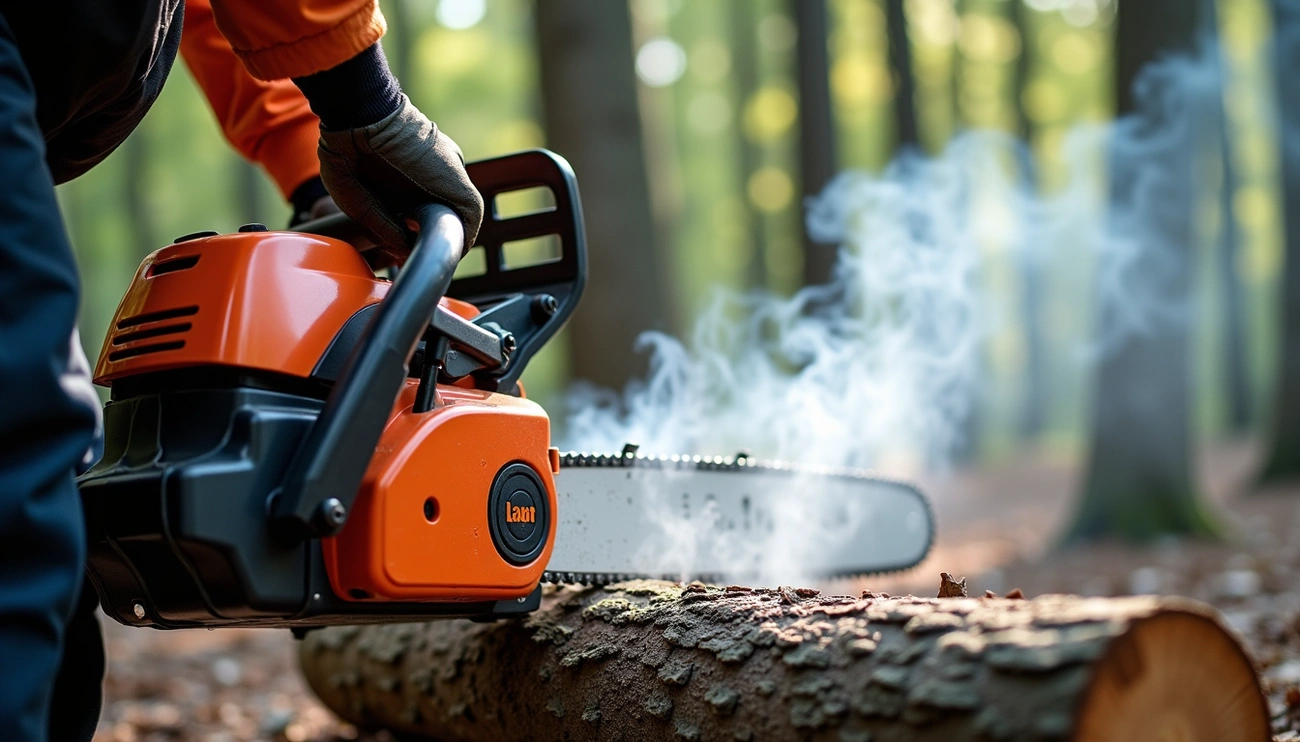
The primary cause of kickback is contact between an object and the “kickback zone”—the top front tip of the guide bar. Even slight contact in this area can provoke a lightning-fast reverse reaction, launching the bar upward and back toward the operator.
2. Chain getting pinched in the cut
Kickback also occurs as the wood closes in, pinching the saw chain mid-cut. This commonly happens while bucking logs on uneven terrain, whereby the chain stops yet the engine continues running, creating dangerous reactive forces.
3. Dull or poorly maintained chain
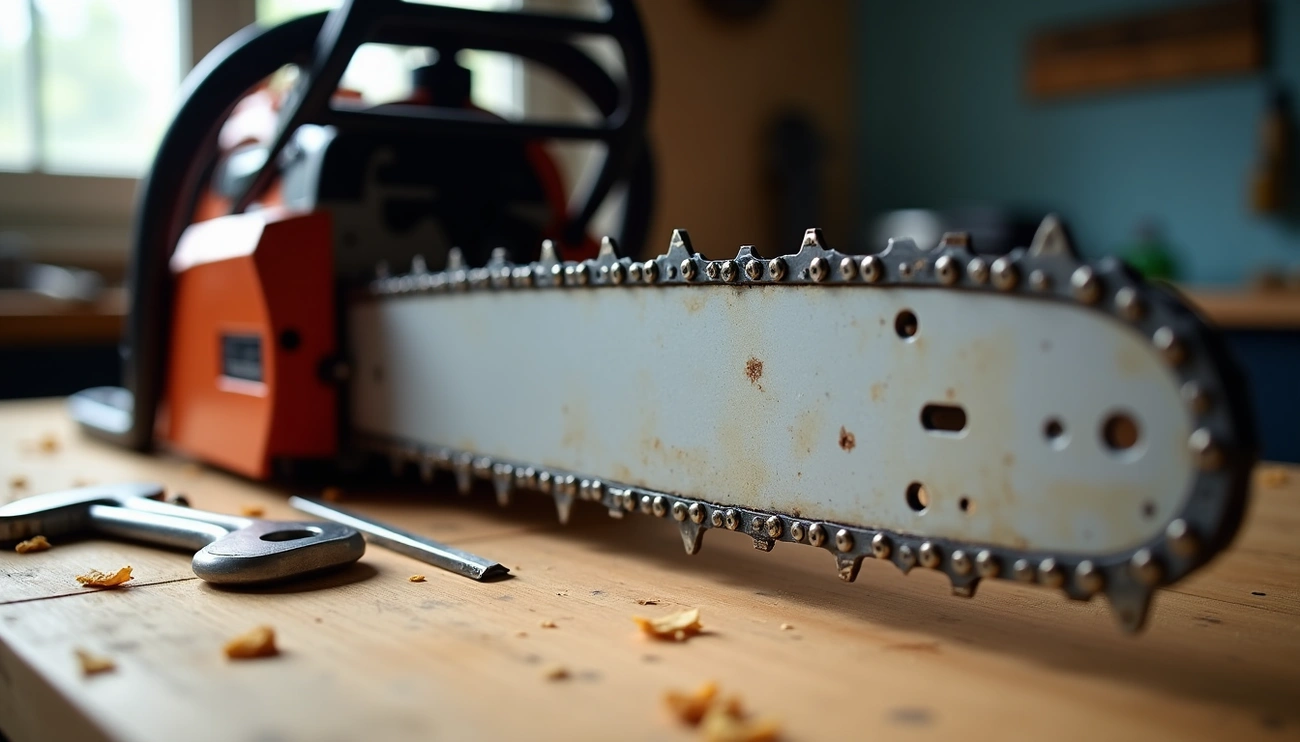
A dull chain cannot cut cleanly through wood, increasing binding risk. Moreover, blunt chains require extra pressure to operate effectively, thereby elevating the chances of losing control should kickback happen.
4. Incorrect chain tension or depth gage settings
Improper maintenance dramatically amplifies kickback risk. Loose chains may jump or derail, whereas excessive depth gage settings create aggressive cutting action. Both scenarios generate unsafe operating conditions that often lead to violent kickback.
5. Improper cutting techniques
Not running the saw at full power while cutting or failing to maintain a firm two-handed grip significantly increases kickback danger. Likewise, unstable footing compromises your ability to control the saw throughout operation.
6. Using the wrong type of chain or bar
Bar design affects kickback severity—wider nose bars have larger danger zones. Furthermore, mismatched chain and bar combinations create dangerous situations, as improperly fitted components perform erratically.
7. Lack of attention to surroundings
Environmental awareness plays a vital role in prevention. Uneven ground, poor lighting, or failing to track the bar tip location all contribute to increased kickback incidents.
8. Cutting above shoulder height
Operating a chainsaw overhead substantially raises kickback risk while simultaneously reducing control. In fact, should kickback occur in this position, the running chain might strike your neck or face—a potentially fatal scenario.
How to Prevent Chainsaw Kickback
Preventing chainsaw kickback begins with understanding proper operation techniques. Since kickback can happen unexpectedly, mastering these prevention methods is essential for every chainsaw user.
Hold the saw with both hands and a firm grip
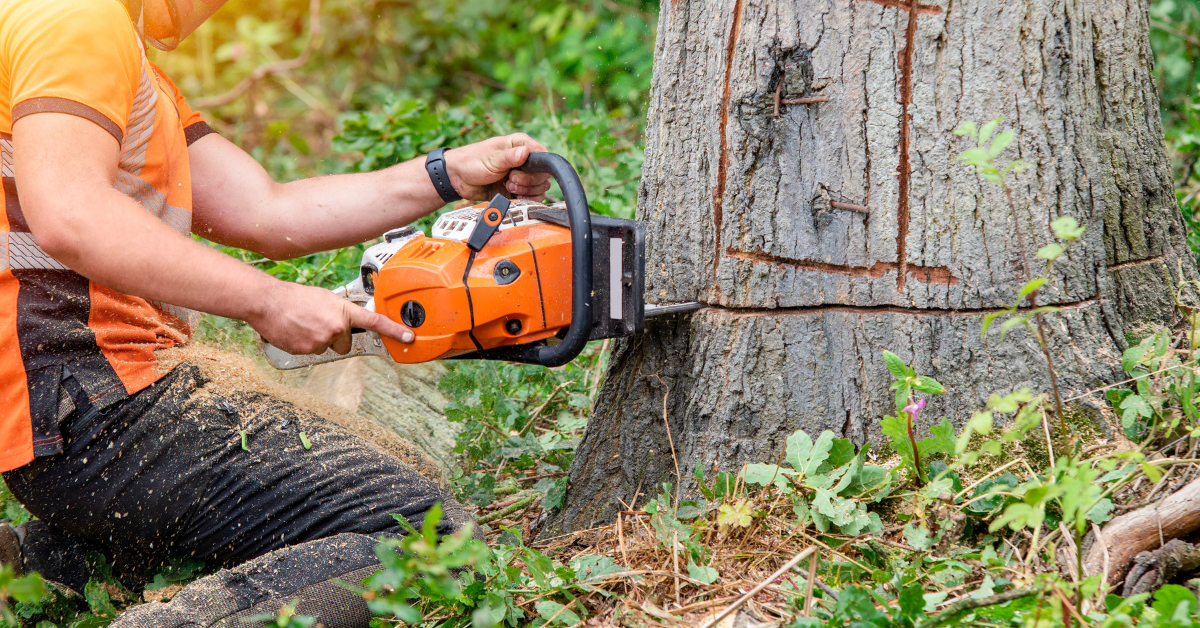
Maintaining proper hand position forms the foundation of safe chainsaw operation. Always keep both hands on the saw when it’s running—right hand on the rear handle controlling the throttle, left hand on the front handle guiding position. Wrap your thumbs completely around the handles for maximum control. This positioning helps you maintain control if kickback occurs, particularly since your left thumb under the front handle can catch the saw during a kickback event.
Avoid using the tip of the bar to cut
The kickback zone is the upper quadrant of the bar’s tip—never let this area contact wood or other objects. Knowing where your bar tip is at all times remains crucial for preventing unexpected kickback. Rather, using the middle portion of the bar ensures safer cutting.
Use the pulling chain (underside of bar) when possible
When pruning or making certain cuts, use the underside of the guide bar (pulling chain). This technique significantly reduces kickback risk compared to cutting with the top of the bar, which can push back toward you unexpectedly.
Never cut above shoulder level
Overhead cutting substantially increases kickback danger while reducing your control. In this position, your reaction time diminishes and the consequences of kickback become more severe as the bar would move directly toward your face and neck.
Be cautious when limbing or cutting small branches
Limbing presents particular kickback risks. The nose of your guide bar might strike underlying logs, stumps, hidden branches or the ends of logs. Exercise extra caution with small branches that could deflect the chain unexpectedly.
Stay alert and avoid fatigue
Fatigue remains a major contributor to chainsaw accidents. Take regular breaks, particularly when feeling tired. Keep the saw close to your body rather than extended at arm’s length—this reduces muscle strain and improves your ability to counteract kickback forces if they occur.
Chainsaw Safety Features and Best Practices
Modern chainsaws include built-in safety features designed to reduce the risk of injury from what causes kickback on a chainsaw. These features, combined with proper practices, form your defense against this dangerous phenomenon.
Use a chain brake and test it before each use
The chain brake stands as one of the most important safety devices on any chainsaw, stopping the chain’s rotation almost instantly during kickback. Initially developed as a parking brake when moving between cuts, it now serves primarily as protection against injuries. Before each use, check that your brake functions properly—its stopping power can be significantly reduced by wear, oil, dirt, or sawdust in the brake parts. Modern chainsaws use mechanical or inertia systems, with some manufacturers offering additional options like Husqvarna’s TrioBrake™ or STIHL’s Quickstop® Plus.
Choose low-kickback chains and narrow-nose bars
Select chainsaws equipped with kickback-reducing devices that meet standards like ANSI B175.1-2021. Primarily, look for narrow-nose bars and low-kickback chains that effectively reduce kickback risk through special designs. Full safety chains have extra bumper links between cutting links, maintaining depth gage height throughout the chain. Notably, safety tips that cover the bar’s nose can prevent contact with the kickback zone.
Wear protective gear: helmet, gloves, chaps, boots
Proper personal protective equipment (PPE) remains essential. Wear a hard hat/helmet (replace every 3-5 years), eye protection (goggles plus face shield), hearing protection, cut-resistant gloves, chainsaw chaps or pants with ballistic nylon pads, and steel-toed boots designed for chainsaw use. Undoubtedly, this gear could mean the difference between minor accidents and major injuries.
Keep your chain sharp and properly tensioned
Blunt chains cut poorly, increase fatigue, and create higher kickback risk. Maintain correct chain tension—too loose and it may derail, too tight and it creates excess friction. File depth gages properly as those set too low make the chain grab wood aggressively.
Follow the manufacturer’s maintenance instructions
Regular inspection and maintenance guarantee your safety features work properly. Obviously, check controls, chain tension, and all bolts before operating. Clean the saw after each use, inspect for loose parts, and address any maintenance issues promptly. Store your chainsaw securely after ensuring it has cooled completely.
Conclusion
Chainsaw kickback remains one of the most dangerous aspects of operating this powerful tool. Throughout this guide, we’ve seen that kickback happens in just a fraction of a second—often faster than human reaction time. The risk factors range from basic contact with the tip of the guide bar to improper maintenance and technique.
Safety must be your primary concern whenever you pick up a chainsaw. Actually, understanding what causes kickback serves as your first line of defense against potential injuries. A firm two-handed grip, awareness of the kickback zone, proper chain maintenance, and appropriate cutting techniques all work together to significantly reduce your risk.
Most importantly, never underestimate the danger of this common phenomenon. Even experienced operators can fall victim to kickback if they become complacent. Therefore, always maintain your chainsaw according to manufacturer specifications, wear the right protective gear, and stay vigilant about your surroundings while cutting.