You should not use a chainsaw in the rain due to increased safety risks. Rain reduces grip, visibility, and footing, which raises the chance of kickback and slips. Wet conditions also increase electrical risk with corded chainsaws. Manufacturers recommend operating chainsaws only in dry conditions.
Can you use a chainsaw in the rain?
The short answer to whether you can use a chainsaw in the rain depends on the type of chainsaw you own and the intensity of rainfall. Safety should always be your primary concern when working with powerful equipment in less-than-ideal conditions.
What experts say about chainsaw use in wet weather
Experts are clear on their recommendations for different types of chainsaws:
- Gas chainsaws can be used in rainy weather with proper precautions as they have water-resistant engines that minimize risks caused by water.
- Corded electric chainsaws should never be used in wet conditions due to the significant risk of electric shock. Water conducts electricity, increasing the chance of short circuits or accidents.
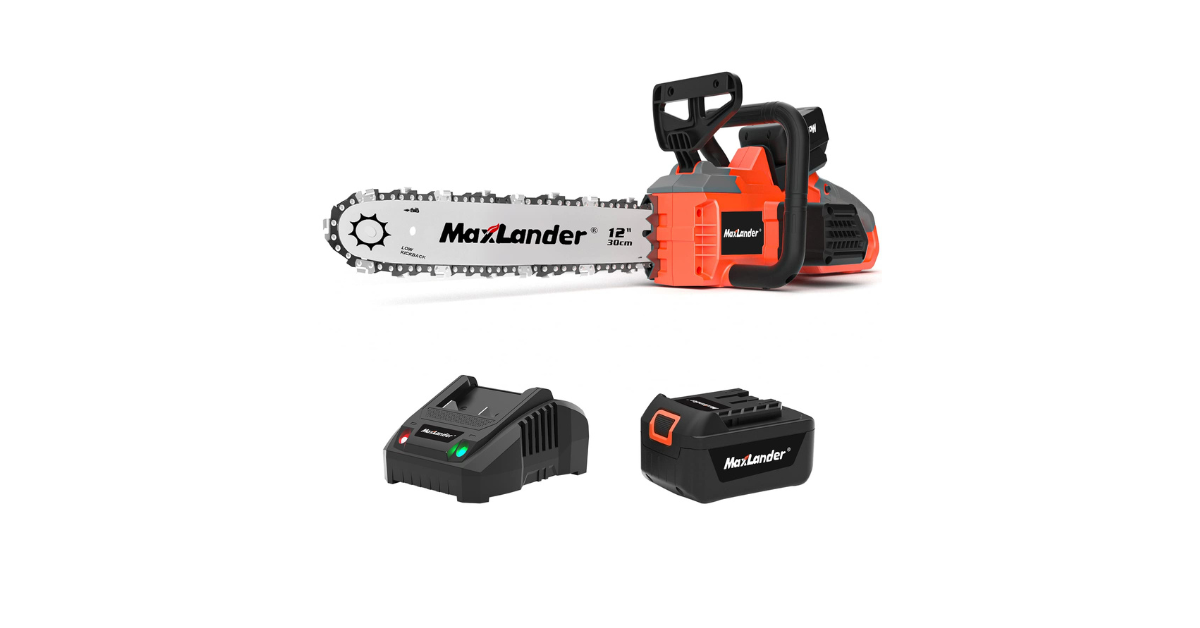
- Cordless battery chainsaws offer a safer alternative to corded models but still require caution. Ensure the battery compartment remains dry and protected from moisture.
Safety professionals emphasize that regardless of chainsaw type, rain creates multiple hazards that increase the risk of accidents and injuries. Slippery surfaces reduce traction between your boots and the ground, making falls more likely.
Light rain vs heavy rain: does it matter?
Indeed, the intensity of rainfall makes a significant difference. In light drizzle, a gas-powered chainsaw may function with minimal issues, whereas heavy downpours present substantial risks:
First, visibility decreases dramatically in heavy rain, making it difficult to see your work area clearly.
Second, prolonged exposure to moisture can cause internal damage to chainsaw components, even in gas-powered models.
Most experts recommend postponing chainsaw work if it’s more than a light drizzle, especially if using electric models.
Legal and manufacturer warnings to consider
Manufacturers explicitly warn against using electric chainsaws in wet conditions unless specifically designed for such use. Most user manuals contain clear guidelines about weather limitations.
For electric chainsaws, using a Ground Fault Circuit Interrupter (GFCI) outlet is essential if you must operate in potentially damp conditions, as this safety device automatically cuts power in case of current leakage.
Remember that disregarding manufacturer guidelines could not only damage your equipment but also void your warranty. Furthermore, insurance claims may be denied if injuries occur while using equipment contrary to safety recommendations.
How different chainsaws perform in the rain
When faced with changing weather conditions, understanding how each type of chainsaw handles moisture becomes crucial for safety. Not all chainsaws react the same way to rain, as their power sources and designs create fundamentally different risk profiles.
Gas chainsaws: relatively safe with precautions
Gas-powered chainsaws offer the most reliability in wet conditions among all chainsaw types. Their engines typically have water-resistant designs that can function effectively in mild rain. Since they use a spark plug ignition system located away from the cutting area, they present substantially less electrical danger compared to their electric counterparts.
Nevertheless, operating a gas chainsaw in wet conditions requires specific precautions:
- Heavy rain can saturate the air filter, restricting airflow and reducing engine performance
- Electrical components need protection from excessive moisture
- After use, thoroughly dry the chainsaw and apply oil to metal parts to prevent rust and corrosion
Although gas chainsaws can handle light to moderate rainfall, they shouldn’t be submerged in water or puddles, which could damage internal components and prevent proper operation.
Corded electric chainsaws: high electrocution risk
Corded electric chainsaws pose the greatest danger in wet conditions. Even a light drizzle creates significant electrocution hazards, as water can easily infiltrate electrical components and cause short circuits or dangerous current leakage.
If you absolutely must use a corded chainsaw in damp environments (though experts strongly advise against it), always:
- Use a Ground Fault Circuit Interrupter (GFCI) outlet that automatically cuts power if current leakage occurs
- Thoroughly inspect extension cords for cracks or damage before use
Cordless battery chainsaws: safer but not waterproof
Battery-powered chainsaws represent a middle ground in rainy conditions. Since they lack power cords near the cutting area, they significantly reduce electrocution risk compared to corded models.
Some manufacturers design their cordless models with splashproof ratings (such as IPX4), making them more suitable for damp environments. Despite this advantage, most battery chainsaws aren’t fully waterproof. Their battery compartments remain particularly vulnerable to moisture damage.
After using any cordless chainsaw in wet conditions, always dry it thoroughly to prevent corrosion and potential damage to electrical components. Throughout the operation, keep the battery compartment protected from direct water exposure whenever possible.
Risks of using a chainsaw in the rain
Operating a chainsaw in rainy conditions introduces several significant hazards that every user should understand. Even experienced operators face increased risks when attempting to use a chainsaw in the rain.
Slippery surfaces and reduced traction
Rain makes the ground muddy and slick, significantly reducing traction for your feet. This slippery footing can lead to dangerous slips, falls, and loss of control while operating your chainsaw. Moreover, wet sawdust on wet wood creates an exceptionally slippery surface that should not be underestimated. A sudden loss of balance with a running chainsaw can result in serious injuries, consequently making stable footing one of the primary safety concerns.
Low visibility and poor control
Heavy rain drastically reduces visibility, making it difficult to see your cutting area clearly. This poor visibility directly impacts your control over the chainsaw and increases the risk of accidental cuts. Additionally, loud noises such as thunder may cause you to flinch or make mistakes. Essentially, these factors combine to create dangerous cutting conditions that compromise precision and safety.
Wet wood and cutting resistance
Contrary to what some believe, wet wood can be more difficult to cut effectively. The moisture causes wood fibers to collapse and pack together tightly, increasing density and resistance. Furthermore, wet sawdust tends to clump and stick to the chain, requiring more frequent cleaning. This clumping can block oil distribution, potentially leading to increased wear on your equipment.
Tool damage and rust
Prolonged exposure to moisture can cause serious damage to your chainsaw. In gas-powered models, excess moisture may reduce spark plug performance and affect carburetor function. Rain initially provides some lubrication but ultimately washes away proper chainsaw oil, increasing friction on the chain and bar. Without proper post-use maintenance, rust and corrosion will quickly develop.
Increased fatigue and slower reaction time
Working in wet conditions substantially increases physical fatigue. This fatigue impairs judgment, slows reaction time, and weakens your grip. Rain-dampened gloves reduce grip strength, making it more difficult to hold and control the chainsaw properly. Throughout operation, this increasing fatigue creates a dangerous cycle of diminishing control and awareness.
Safety tips if you must use a chainsaw in the rain
If you absolutely must use a chainsaw in rainy conditions, following these expert safety tips can help minimize risks. Remember that postponing work until dry weather is always the safest option.
Choose the right chainsaw for wet conditions
Gas-powered chainsaws are typically the safest option for damp conditions, yet they still require careful handling. Cordless battery chainsaws offer a safer alternative to corded models, with some featuring weather-resistant components. Avoid corded electric chainsaws altogether as the risk of shock remains high even with safety precautions.
Wear non-slip boots and waterproof gloves
Proper footwear with excellent traction is essential on slippery surfaces. Pair these with water-resistant gloves that maintain grip strength when wet. For optimal protection, add:
- High-visibility clothing to improve visibility during low light
- Standard eye and ear protection
- Water-resistant clothing that shields from rain
Use GFCI outlets for electric chainsaws
If using a corded electric chainsaw is unavoidable, connect only to GFCI outlets which automatically cut power during current leakage. Inspect all extension cords thoroughly for cracks or damage beforehand.
Avoid puddles and wet branches
Stay away from standing water and deep puddles which increase electrical hazards. Wet branches can be particularly dangerous as they may fall unexpectedly during cutting.
Work slowly and take frequent breaks
Cut deliberately and maintain a firm two-handed grip at all times. Fatigue develops faster in wet conditions, so regular breaks are crucial for maintaining focus.
Have a first aid kit and emergency plan
Always inform someone about your location and expected return time. Carry a well-stocked first aid kit within reach, and know when to stop—if weather worsens or equipment malfunctions, cease operations immediately.
Conclusion
Working with a chainsaw during rainfall presents significant challenges that should not be taken lightly. Throughout this article, we’ve examined the various risks associated with operating chainsaws in wet conditions. Ultimately, postponing your cutting tasks until dry weather returns remains the safest course of action.
Nevertheless, if circumstances force you to use a chainsaw while it’s raining, remember that your choice of equipment matters greatly. Gas-powered chainsaws offer relatively safer operation with proper precautions, whereas corded electric models pose serious electrocution hazards. Battery-powered options fall somewhere in between, providing better safety than corded versions but still requiring careful handling to prevent damage.
Safety hazards multiply significantly during wet conditions. Slippery surfaces reduce your stability, poor visibility affects your precision, and wet wood creates additional cutting resistance. Meanwhile, your equipment faces increased wear and potential damage from moisture exposure.