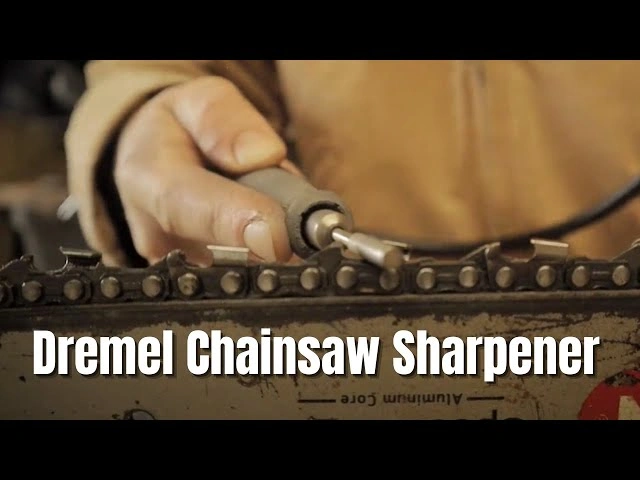
Sharpen a chainsaw with a Dremel by installing the correct sharpening stone, setting the proper angle, and lightly grinding each cutter. Match the factory angle, sharpen every tooth evenly, and avoid overheating to maintain cutting performance and chain life.
Why Use a Dremel to Sharpen a Chainsaw
When I first started maintaining my own chainsaw, I was amazed by how efficiently a Dremel tool could handle the job. After trying different sharpening methods, I’ve found several compelling reasons to choose a Dremel over traditional options.
Faster than hand filing
One of the most striking advantages of using a Dremel is the incredible speed. With this versatile tool, I spend just a couple of seconds per tooth, making the entire process remarkably efficient. Some woodcutters report they can sharpen all three of their chainsaws in about two minutes flat. Moreover, compared to taking your chain to a professional, the time savings are substantial – while a local shop might take days, you can complete the job in less than 10 minutes.
The high-speed rotation of the Dremel’s diamond head attachment quickly restores your chainsaw’s cutting edge. This speed advantage becomes particularly valuable when you’re working in the field and need to maintain momentum.
Affordable and accessible
From a cost perspective, using a Dremel makes perfect sense. Considering that local dealers typically charge around $6.00 per chain sharpening, the economics clearly favor doing it yourself. With a Dremel setup, your cost per sharpening can drop to less than $2.00 per chain.
Furthermore, the initial investment is reasonable – basic electric chainsaw sharpeners start around $30. The long-term savings add up quickly, particularly for regular chainsaw users who might otherwise spend hundreds annually on professional sharpening services.
Another financial benefit: you won’t need to remove the chain from the bar, which extends the life of both components through fewer handling cycles.
Good for beginners
As a novice, I found the Dremel approach remarkably straightforward. The process is intuitive and produces a satisfactory edge even for those with limited experience. Once assembled, the Dremel proves highly effective for chainsaw sharpening.
The guided attachments available for Dremel tools help maintain the correct sharpening angle, which is crucial for proper cutting performance. This guidance system makes it significantly easier for beginners to achieve professional-quality results without the steep learning curve of traditional filing methods.
Certainly, with minimal practice, anyone can bring a dull and slow chainsaw back to life with relative ease.
Tools You’ll Need Before You Start
Before diving into the sharpening process, gathering the right equipment is essential for success. Based on my experience, having these tools ready will make the job much simpler and safer.
Dremel tool and sharpening kit
First, you’ll need a Dremel rotary tool—any standard model will work effectively. Beyond the base unit, look for a dedicated chainsaw sharpening attachment kit which typically includes:
- A specialized chainsaw sharpening guide attachment
- A grinding stone (usually 5/32″, 3/16″, or 7/32″ depending on your chain type)
- Depth gage guides for proper filing
The right grinding stone size depends on your chain pitch. For instance, 3/16″ stones work well with .325″ pitch chains, whereas 5/32″ stones match better with 3/8″ LP chains.
Chainsaw chain and guide bar
Prior to beginning, inspect your chainsaw chain thoroughly. Look for damaged teeth that might require replacement rather than simply sharpening. The guide bar should be in good condition without excessive wear that could affect chain alignment during the sharpening process.
Also, note the specific angles of your chain’s cutters—they typically range between 25-35 degrees. This information is crucial as you’ll need to match these angles precisely with your Dremel.
Safety gear: gloves and goggles
Never underestimate the importance of safety equipment. Cut-resistant gloves protect your hands from both the sharp chain and the high-speed Dremel bit. Meanwhile, safety goggles shield your eyes from metal filings that inevitably fly off during sharpening.
In addition, consider ear protection, as the Dremel operates at high speeds and can generate significant noise over extended periods.
Optional: workbench or clamp
Finally, securing your chainsaw properly makes the entire process easier and safer. A dedicated workbench with clamps specifically designed for chainsaws offers the best control. Alternatively, a sturdy vise or C-clamps attached to a stable table can work just as effectively.
For field work, consider portable options like specialized chainsaw holders that secure the bar while allowing you to rotate the chain easily between teeth.
Step-by-Step Guide to Sharpening
Properly sharpening your chainsaw with a Dremel tool requires attention to detail and a systematic approach. I’ll walk you through each critical step of the process to ensure you achieve professional results safely and effectively.
1. Secure the chainsaw properly
To begin, I position my chainsaw on a flat, solid surface to prevent slipping during the sharpening process. The chain tension must be adjusted according to the manufacturer’s specifications—slightly tighter than normal cutting tension. For optimal stability, I secure the guide bar in a vise or use a dedicated chainsaw holder. Although working with the chain on the saw is common, some chainsaws allow for blade removal if preferred. Nevertheless, leaving the chain on the saw generally makes the job easier.
2. Attach the sharpening bit to your Dremel
After securing my chainsaw, I select the appropriate grinding stone based on my chain’s specifications. The Dremel chainsaw sharpening kit includes stones in various sizes to match different chain types. Once I’ve chosen the correct bit, I attach it securely to my Dremel tool. For optimal results, I set the Dremel to a medium-high speed (15,000-25,000 RPM) for carbide burrs, though I reduce speed when using diamond stones.
3. Match the angle of the cutter
Subsequently, I identify the correct sharpening angle (typically 25-35 degrees depending on my chain type). Most standard chains use approximately 30 degrees. If using a sharpening guide, I align it with the appropriate angle markings. The guide helps maintain consistency throughout the sharpening process—crucial for proper cutting performance and safety.
4. Sharpen each tooth evenly
First, I mark my starting tooth with a marker to track progress. Then, I position the Dremel bit against the inside of the cutter, ensuring it contacts the top plate and side face at the correct angle. Using light pressure, I apply 2-3 even strokes per tooth. I avoid excessive pressure or overheating the cutter. Most importantly, I maintain consistent timing for each tooth to ensure they remain balanced.
5. Rotate the chain and repeat
Once I’ve sharpened all teeth facing one direction, I progress around the entire chain until I return to my marked starting point. Afterward, I rotate the chainsaw to access the opposite-facing teeth. Since chainsaw teeth alternate directions, this two-phase approach ensures complete sharpening. I maintain the same angle and number of strokes for each tooth regardless of direction.
6. Check depth gages if needed
Lastly, after every 3-4 sharpenings, I examine the depth gages (rakers) between the cutting teeth. These control how deeply the cutter bites into wood. The recommended height difference is typically .025″ for most professional saw chains. If adjustment is needed, I use a depth gage tool or flat file with a guide to maintain the proper height, ensuring smooth cutting performance without increasing kickback risk.
Tips and Mistakes to Avoid
Success with a Dremel chainsaw sharpener depends not just on following steps correctly, but also avoiding common pitfalls. I’ve learned these valuable lessons through both successes and mistakes.
Don’t overheat the cutters
Running your Dremel at excessive speeds risks destroying the temper of the chain’s metal. I always set my Dremel to a lower speed setting and use a quick tapping motion instead of continuous grinding. If a tooth requires extensive sharpening, I grind briefly, pause to let it cool, then continue. Whenever metal turns blue during sharpening, it indicates overheating. Consequently, I avoid applying excessive pressure, as this generates heat and can result in uneven sharpening.
Avoid uneven sharpening
One critical mistake is sharpening some teeth more than others. Even if only one tooth is damaged, I sharpen all teeth with the same number of file strokes. Uneven teeth cause the saw to pull to one side, eventually binding in larger cuts. I count strokes (typically to ten) for each tooth to maintain consistency.
Keep your angles consistent
Matching the manufacturer’s recommended angle (typically 30°) is vital. I use the Dremel sharpening guide to maintain the correct angle for each tooth. Importantly, I pay attention to tooth direction—every other tooth faces the opposite way.
Clean the chain before and after
I always wipe oil and grease off the chain before sharpening to prevent buildup on the grinding wheel. Afterward, I thoroughly clean off debris and lubricate the chain with bar and chain oil. For optimal results, soaking the chain overnight in oil prepares it perfectly for next use.
Conclusion
Mastering chainsaw maintenance with a Dremel tool certainly transforms the way you care for your equipment. This simple process saves both time and money compared to professional sharpening services. Most importantly, you gain the satisfaction of handling your own equipment maintenance while extending the life of your chainsaw.
Remember that consistency remains key to successful sharpening. The right angle, even pressure, and proper cooling between teeth will ensure your chain cuts smoothly and efficiently. Additionally, regular maintenance prevents major repairs down the road and keeps your chainsaw performing at its best.
After using this method several times, you’ll find the process becomes second nature. What once took 10 minutes might eventually take only 5, making field maintenance quick and practical. The investment in a quality Dremel tool and proper attachments pays for itself after just a few sharpenings compared to the $6 per chain professional services typically charge.