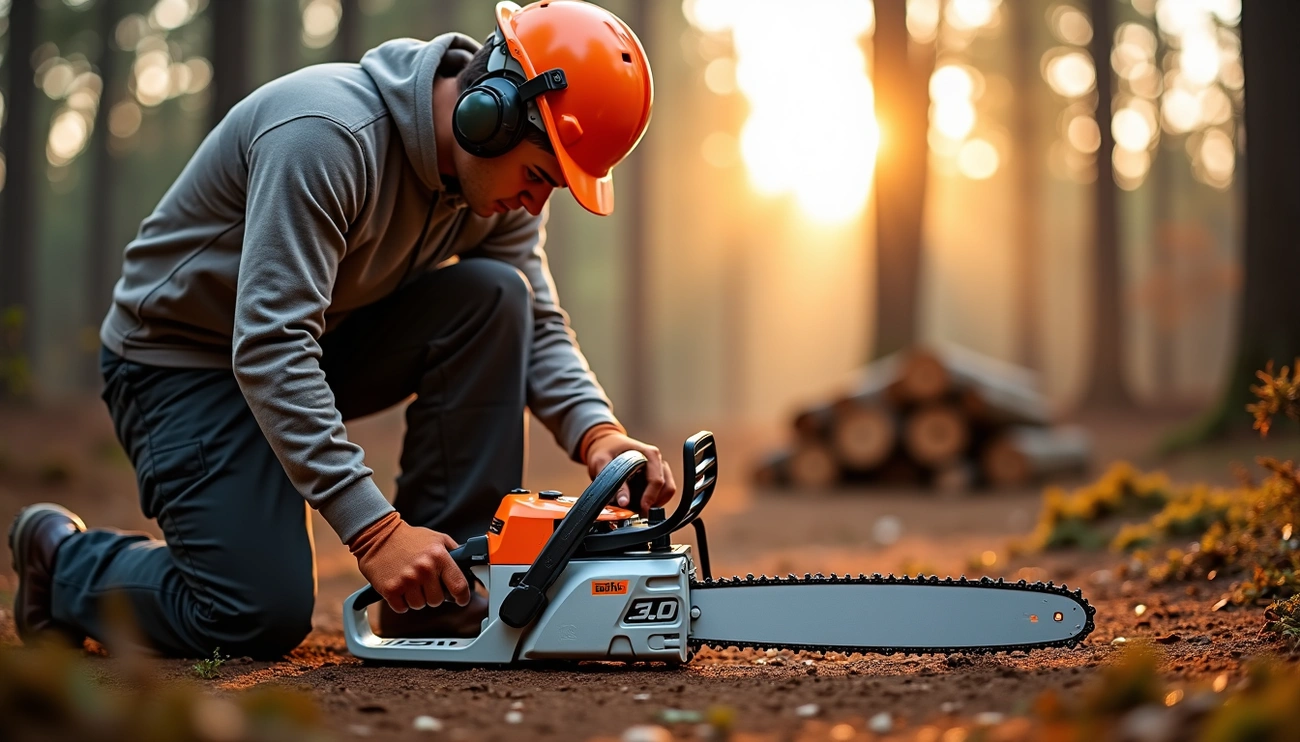
Crank a STIHL chainsaw by placing it on flat ground, engaging the chain brake, and setting the Master Control Lever to full choke. Pull the starter cord until the engine fires, move to half-choke, pull again to start, then tap the throttle to return to idle.
Prepare Your Chainsaw and Work Area
Proper preparation forms the foundation of safely operating any Stihl chainsaw. Taking time to set up both your tool and workspace helps prevent accidents and ensures your chainsaw performs optimally.
Check fuel and oil levels
Fueling your Stihl chainsaw correctly is crucial for optimal performance. Mix fuel according to the specifications in your owner’s manual, using only approved containers that don’t exceed 5 gallons in capacity. Furthermore, always refuel at least 10 feet away from any ignition sources and allow your chainsaw to cool for 2-3 minutes before adding fuel.
During refueling, use proper funnels to prevent spills and ensure both fuel and oil caps are securely tightened afterward. Subsequently, clean any spilled fuel before attempting to start the chainsaw. For proper lubrication, check that the chain oil reservoir is full—this prevents overheating and extends the life of your bar and chain.
Inspect chain tension and sharpness
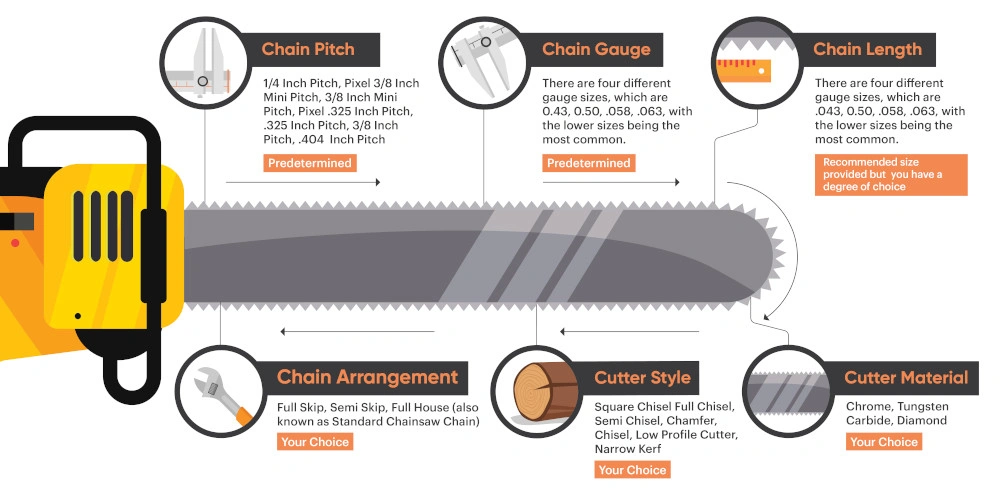
A correctly tensioned chain should fit snugly against the underside of the guide bar yet still move freely by hand when the chain brake is released. Consequently, if you notice the chain sagging or no longer fitting properly to the bottom of the guide bar, it needs tightening. Nevertheless, be careful not to over-tighten, as this puts extra strain on chainsaw components and could cause damage.
Additionally, inspect the chain for sharpness and look for mechanical damage such as cracking, chipping, or distortion. Check all controls, bolts, and handles to ensure they function properly according to manufacturer instructions.
Clear the area of people and obstacles
Prior to starting your chainsaw, ensure no one is within a 15-yard radius of your working area. Correspondingly, scan for potential hazards such as nails, spikes, or metal objects that could damage the chain. Clear away dirt, debris, small tree limbs, and rocks from the chainsaw’s path.
Maintain a clear escape route in case of emergency and never work alone—ensure someone can hear you if you need assistance.
Wear proper safety gear
Operating a Stihl chainsaw requires comprehensive protective equipment:
- Hard hat for head protection
- Hearing protection to prevent damage from the 110-decibel noise level
- Safety glasses or goggles that offer all-around eye protection
- Cut-resistant safety chaps that extend to the top of your foot
- Heavy work boots with ankle support, preferably steel-toed
- Work gloves to protect hands from abrasions, cuts, and burns
- High-visibility vest when working near roadways
Wearing this protective gear significantly reduces the risk of serious injury or even death when operating your Stihl chainsaw.
How to Start a Stihl Chainsaw Without M-Tronic
Standard Stihl chainsaw models without M-Tronic technology require a specific starting sequence to ensure both safety and reliable operation. Following these steps precisely will help you crank your chainsaw efficiently while minimizing risks.
Engage the chain brake
Initially, push the chain brake handle forward until it clicks into place. This critical safety feature prevents the chain from moving during startup, even if the engine begins running. Stihl strongly recommends engaging the chain brake before starting any chainsaw model to prevent potential injuries. Many professionals make this a standard practice, especially when working on larger projects like milling.
Remove the scabbard
Next, take off the protective cover (scabbard) that shields the cutting chain. This step must always be completed before attempting to start your chainsaw. The scabbard protects both the chain and anyone handling the saw while it’s not in operation.
Use decompression valve and primer bulb
Once the brake is engaged and scabbard removed, locate the decompression valve if your model has one. Pressing this valve reduces cylinder pressure, making the starting pull noticeably easier. For chainsaws equipped with a manual fuel pump, press the primer bulb several times to prime the carburetor, which reduces the number of pulls needed to start the engine.
Set the Master Control Lever to choke
To set the choke position, first actuate both the throttle trigger lockout and the throttle trigger simultaneously, then push the Master Control Lever to its lowest position (choke/cold start). This prepares the carburetor for a cold engine start.
Stabilize the chainsaw on the ground
Place your chainsaw on level ground where the cutting attachment won’t contact any surface. Position your left hand firmly on the front handle, right hand ready on the starter cord, and secure the rear handle by stepping on it with your right foot. This three-point stance provides maximum stability during starting.
Pull the starter cord and adjust to half throttle
Pull the starter cord vertically with these steps:
- Pull slowly until you feel resistance
- Then pull forcefully several times until the engine briefly fires
- Immediately move the Master Control Lever up one position to half-throttle
- Pull the starter cord again until the engine starts completely
- Tap the throttle trigger to allow the lever to move to idle position
After successful starting, pick up the chainsaw and carefully release the chain brake before beginning operation.
How to Start a Stihl Chainsaw With M-Tronic
How to Start a Stihl Chainsaw With M-Tronic
M-Tronic equipped Stihl chainsaws feature advanced technology that automatically regulates ignition timing and fuel metering based on external factors like temperature and fuel quality. This innovation simplifies the starting process remarkably, allowing for optimal performance regardless of conditions.
Set the Master Control Lever to start
Unlike standard models, M-Tronic chainsaws require just one position on the Master Control Lever for cold starts. First, locate the Master Control Lever and move it to the start position (▲). This single-position setup eliminates the risk of flooding your chainsaw and makes the starting process straightforward. Moreover, once the tool is switched off, the control lever automatically returns to the operating position for immediate restarts.
Prime the fuel pump and press decompression valve
For chainsaws equipped with a manual fuel pump, press the primer bulb several times. This action draws fuel into the carburetor, reducing the number of pulls needed on the starter cord. Afterward, if your model has a decompression valve, press it once to decrease cylinder pressure, making the pull start significantly easier on your arms and shoulders.
Stabilize and pull the starter cord
Place your Stihl chainsaw on level ground, ensuring the cutting attachment doesn’t contact any surface. Position your left hand firmly on the front handle, your right foot stepping on the rear handle, and grasp the starter cord with your right hand. Pull the cord slowly until you feel resistance, then pull forcefully several times until the engine fires.
Tap throttle to switch to operating mode
Once the engine starts running, briefly tap the throttle trigger. This action automatically moves the Master Control Lever to the operating position (I). Actually, this is one of the main advantages of M-Tronic technology – you can immediately power up to full speed after starting without waiting for the engine to warm up.
Final Checks Before Cutting
After successfully starting your Stihl chainsaw, several critical safety checks must be completed before you begin cutting. These final preparations effectively reduce accident risks while maximizing cutting performance.
Release the chain brake
Hold the chain brake handle firmly with your left hand and pull it toward you until you hear a distinct click. This sound indicates the chain brake has been properly disengaged, allowing the chain to rotate once the throttle trigger is pressed. Never attempt to cut with the chain brake engaged, as this can damage the clutch mechanism.
Check chain lubrication
With the saw running at half throttle, hold it over a light-colored surface like paper or a tree stump. If properly lubricated, the chainsaw should leave a clear oil trail. Indeed, if no oil trace appears, immediately shut off the chainsaw and refill the oil tank with bar and chain lubricant. This simple test ensures proper protection for your bar and chain.
Let the engine idle briefly
Allow your chainsaw to run at idle speed for approximately 30 seconds. This brief period helps stabilize engine temperature and ensures consistent performance. Certainly, the chain should remain stationary during idling; if it rotates, your idle speed requires adjustment.
Ensure secure grip and stance
First, maintain a firm two-handed grip—left hand on the front handle, right hand on the rear. Your thumbs and fingers should completely encircle both handles. Position yourself with feet apart in a staggered stance—left foot slightly forward—to maximize balance. Scan for potential trip hazards like stumps, roots, or holes in your work area.
Conclusion
Mastering the correct technique for cranking your Stihl chainsaw serves as a fundamental skill for any chainsaw operator. Throughout this guide, we’ve walked through essential preparation steps, starting procedures for both standard and M-Tronic models, and final safety checks before cutting.
Safety undoubtedly remains the top priority when operating these powerful tools. Before starting your chainsaw, always check fuel and oil levels, inspect chain tension, clear your work area, and wear proper protective gear. Additionally, understanding the specific starting sequence for your model prevents damage to the tool while ensuring reliable performance.