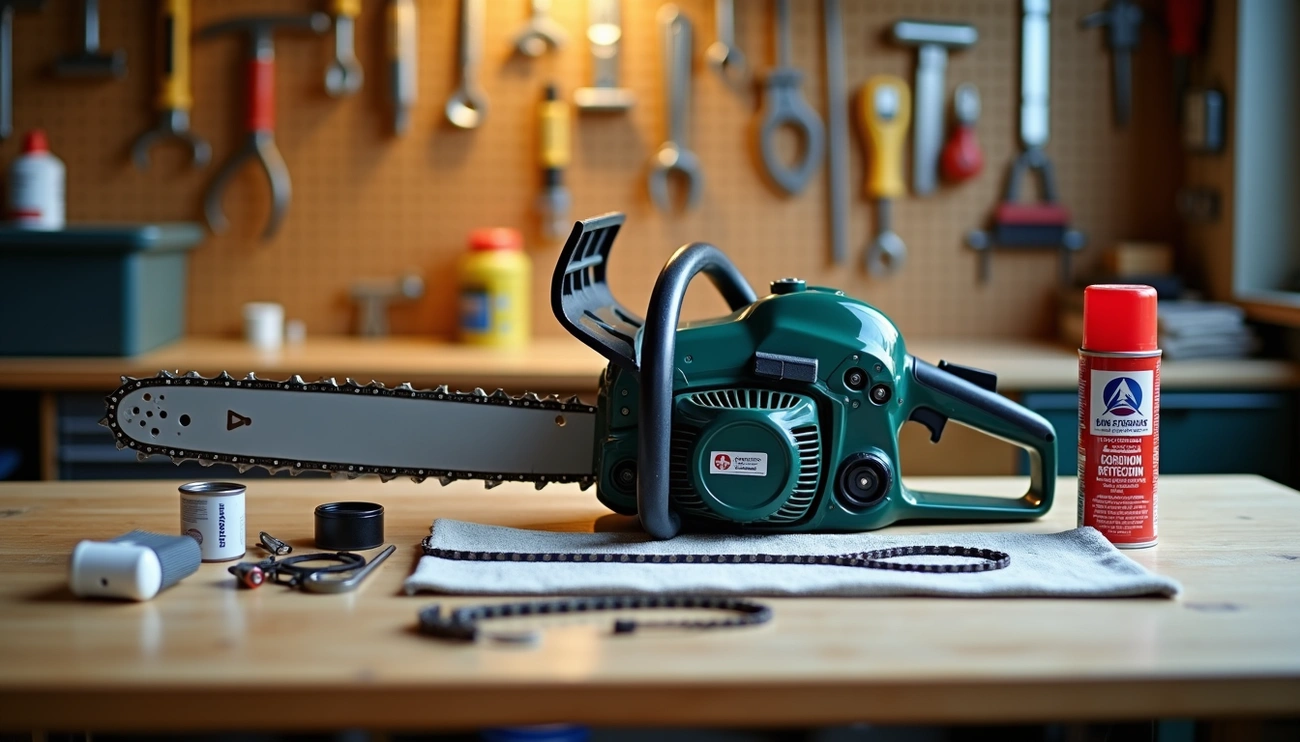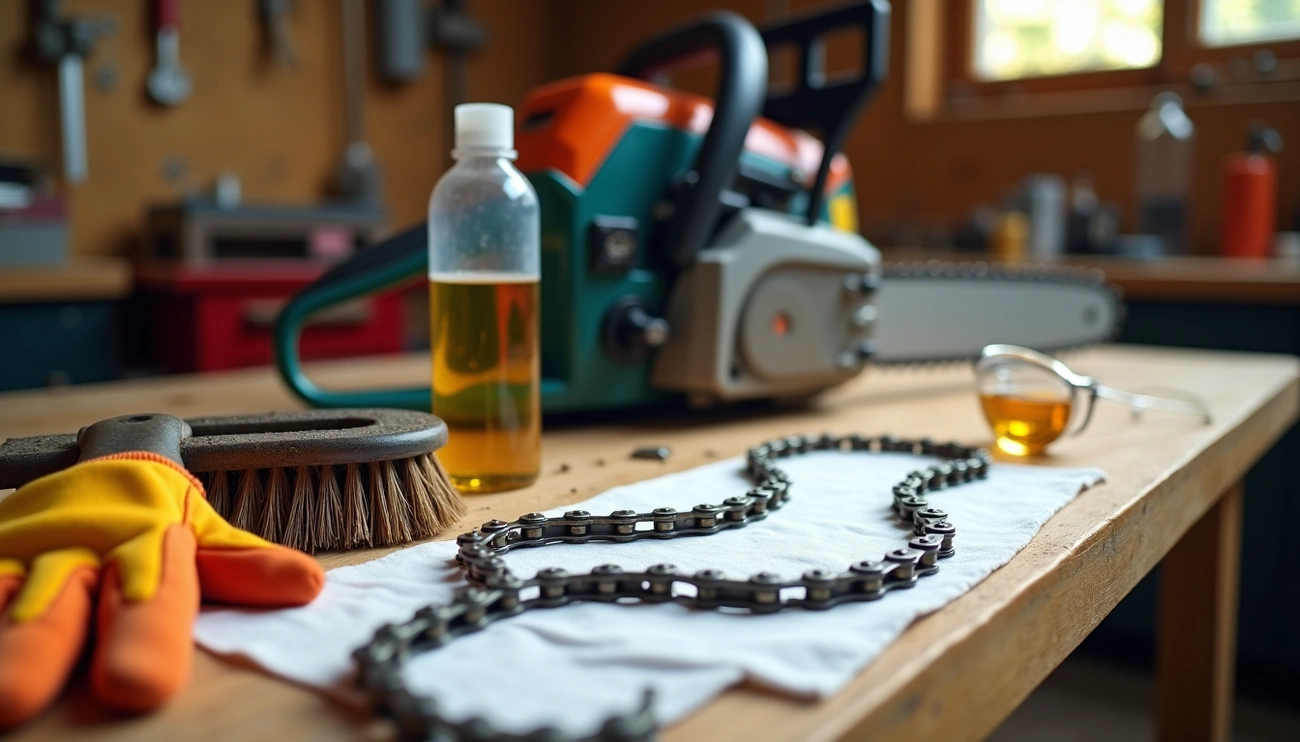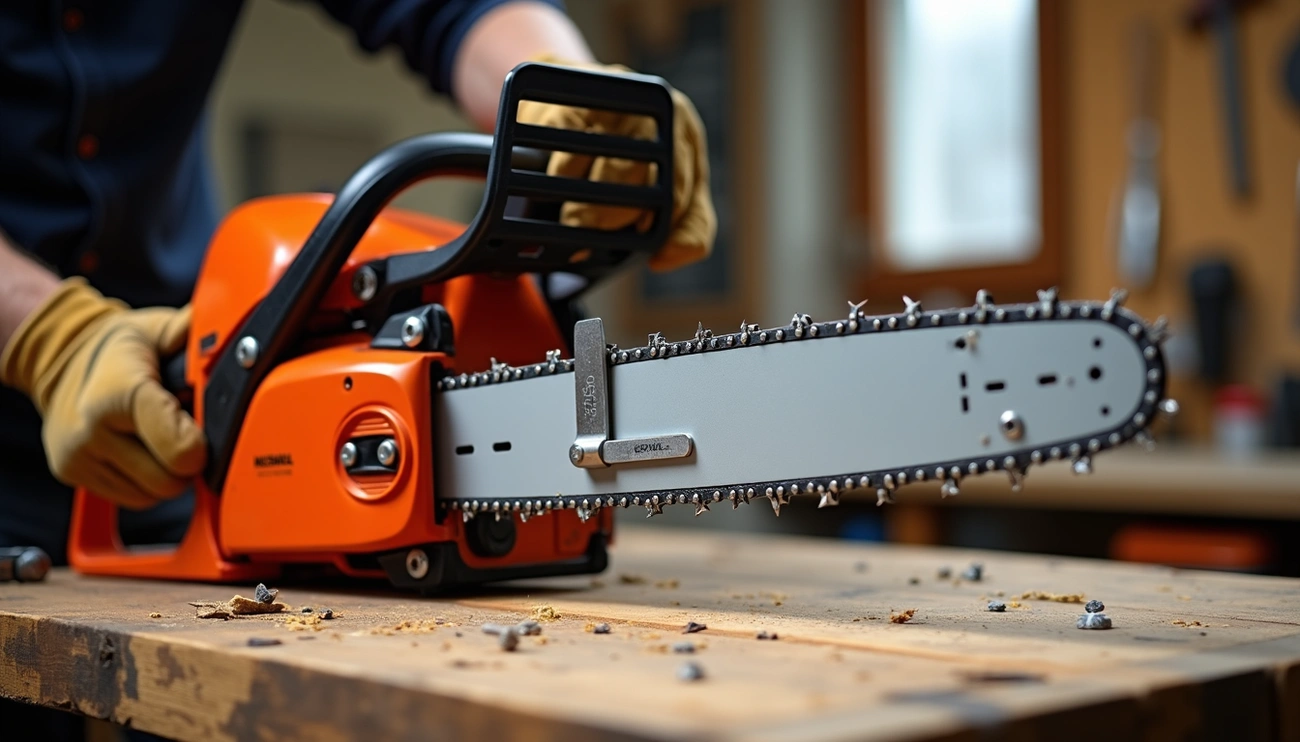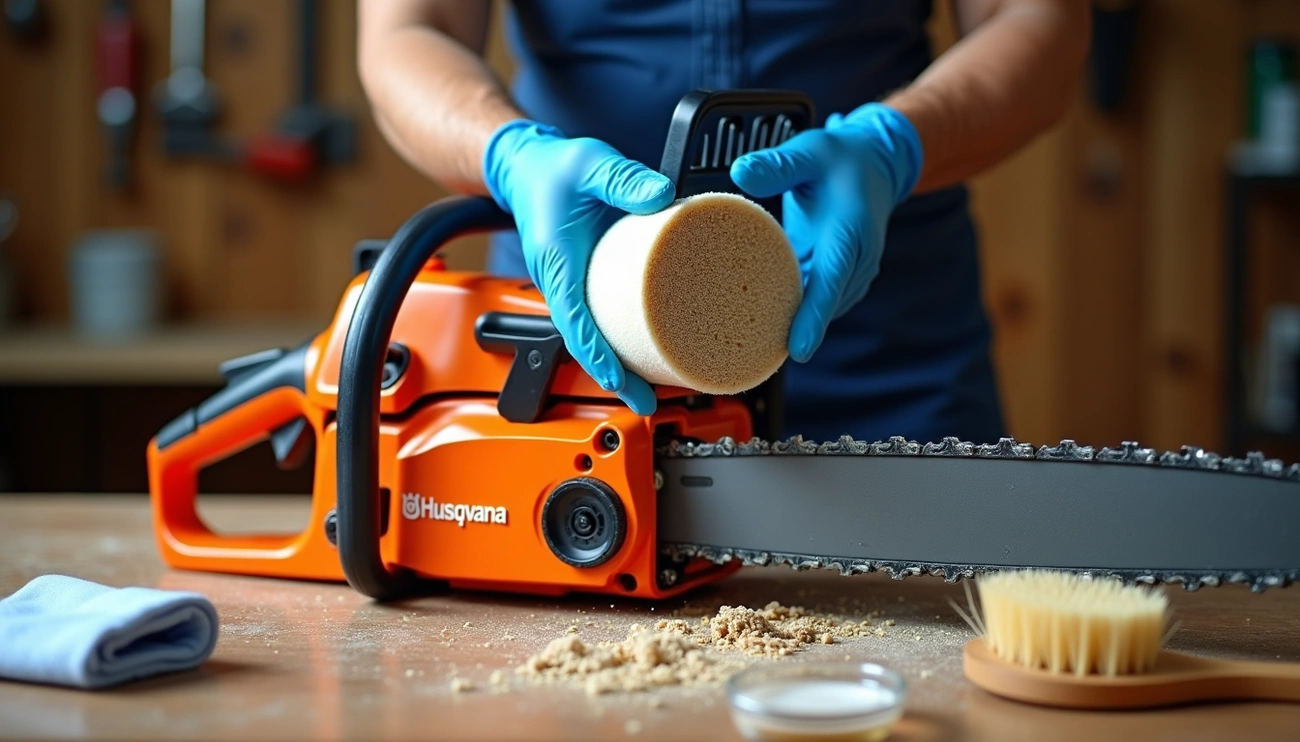
Clean a chainsaw air filter by removing the cover, tapping out loose debris, and washing the filter with warm soapy water. Rinse thoroughly, air-dry completely, and reinstall. Use compressed air gently from the inside out for light cleaning. Replace damaged filters and never use gasoline.
Do All Chainsaws Have Air Filters?
Yes, virtually all gas-powered chainsaws come equipped with air filters. These essential components serve as your saw’s first line of defense against dust, debris, and other particulates that could damage the engine. Indeed, an air filter is considered your chainsaw’s lifeline, keeping the heart of your machine running smoothly regardless of cutting conditions.
Types of chainsaws and their filters
Chainsaw manufacturers offer several types of air filters, each designed for specific cutting conditions:
- Standard filters are generally designed for normal operating conditions and everyday use.
- Felt or flocked filters feature a velvet-like material that excels at catching fine particles. These are particularly effective in dusty and dry conditions where finer filtration is necessary.
- Mesh or nylon filters offer good filtration while being easier to clean than felt versions. They’re suitable for general use and can be cleaned thoroughly with compressed air or washing.
- Winter filters are specifically designed for temperatures around freezing point and below, ensuring proper airflow in cold conditions.
The filter type affects performance and maintenance requirements. For instance, felt filters catch finer material than nylon but cannot be cleaned to the same extent. Furthermore, professionals working in dusty environments might prefer felt filters for their superior filtering capability, whereas those needing easy maintenance might choose nylon options.
Where to locate the air filter on your model
Finding your chainsaw’s air filter is straightforward once you know where to look. Generally, the air filter is located in one of these positions:
- Near the carburetor
- On the side of the engine housing
- At the top of the engine housing
- Under what’s typically called the “cylinder cover”
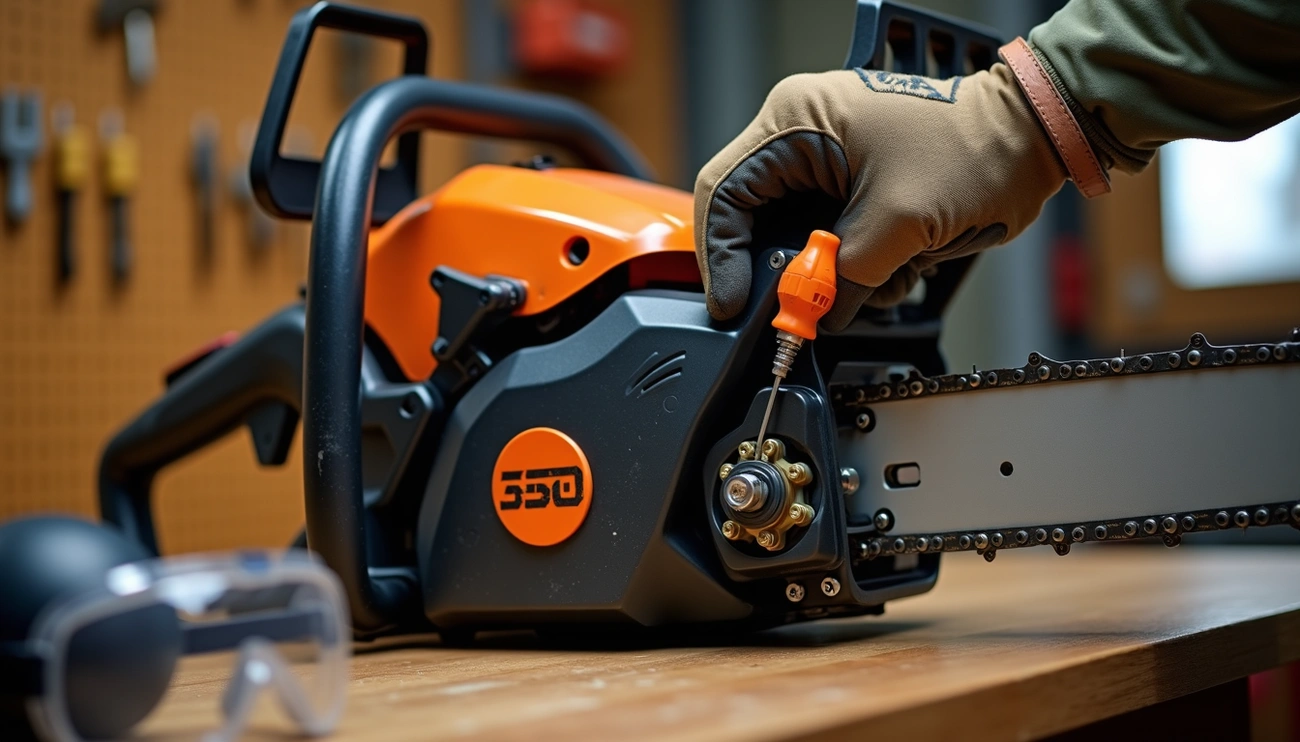
To access your air filter, you’ll need to remove the cover, which is usually secured with screws or latches. On many Husqvarna models, for example, you can use a flathead screwdriver to open the three latches on the cylinder cover, then remove it to reveal the air filter underneath.
Understanding your specific chainsaw model is essential for proper maintenance. Therefore, consulting your owner’s manual can provide precise instructions for locating and accessing the air filter on your particular model.
How to Know When to Clean the Air Filter
Recognizing when your chainsaw air filter needs attention is essential for maintaining optimal performance. A well-maintained filter ensures proper airflow to the engine, preventing potential damage and inefficiency.
Signs of a dirty or clogged filter
Your chainsaw will tell you when its air filter needs cleaning through several noticeable symptoms:
- Increased fuel consumption despite no change in working conditions
- Black smoke coming from the exhaust
- Engine surging up and down or stopping completely while operating
- Decreased power and performance drop-off
- Difficulty starting the engine despite good fuel and spark plug
- Overheating during normal operation
- Changes in sound and handling as the filter becomes progressively dirtier
How often to clean chainsaw air filter
Cleaning frequency varies based on usage patterns and manufacturer recommendations:
For homeowners, cleaning your air filter approximately twice a year should suffice. However, professionals need to be more diligent—cleaning after every 10 hours of constant use or after every day of work (roughly 4+ tanks of gas).
Some users prefer cleaning their filter with every chain sharpening or after going through a couple of tanks of fuel. Additionally, Echo recommends inspecting and cleaning before each use and replacing every 3 months or after about 90 hours of operation.
Impact of cutting conditions on cleaning frequency
The environment in which you use your chainsaw significantly affects how quickly the air filter becomes dirty:
Extremely dusty conditions require more frequent cleaning. In fact, after operating in the aftermath of wildfires or similar environments, you might need to clean your filter multiple times in a single day. Some professionals even carry spare filters to swap out partway through the workday.
Consider that a chainsaw running for six hours takes in as much air as a person breathes in a hundred days. This enormous volume of air—combined with the saw’s proximity to the dust it creates—means filters can quickly become clogged, especially when cutting dry wood or operating in dusty environments.
Regular inspection combined with appropriate cleaning frequency will ensure your chainsaw runs efficiently and extend its service life.
Step-by-Step Guide to Clean Chainsaw Air Filter
Maintaining your chainsaw’s air filter is straightforward once you know the proper technique. Let me walk you through the complete process of how to clean chainsaw air filter effectively.
1. Remove the cylinder cover
Initially, ensure the chainsaw is turned off and cooled down. Locate the air filter cover, typically found at the top or side of the engine housing. Use a screwdriver to loosen any screws or disengage the latches securing the cylinder cover. Some models have quick-release mechanisms requiring no tools.
2. Take out the air filter carefully
Once the cover is off, gently remove the air filter, noting its orientation for reinstallation. If your chainsaw has a two-piece filter, you may need to use a flathead screwdriver to separate the parts along the side tab. Pull the choke out prior to removal to prevent dirt from entering the carburetor.
3. Inspect for dirt, damage, or wear
Examine the filter thoroughly for tears in the fabric, cracks in the plastic, or excessive contamination. Look for accumulated debris inside the filter as this indicates holes or tears. Any visible damage means the filter must be replaced before using the saw again.
4. Wash with warm soapy water and rinse
For thorough cleaning, wash the filter in warm water with dish detergent. Allow it to soak for a few minutes, then gently swish it in the water. Rinse thoroughly with warm water until all soap residue is gone. Avoid using compressed air, as high pressure (60-80 psi) can damage the filter.
5. Let it dry completely before reinstalling
Allow the filter to air dry overnight. Complete drying is essential as moisture in the filter can damage the engine or prevent proper operation.
6. Replace if damaged or too dirty
Even with proper cleaning, filters don’t last forever. Replace your filter if you notice:
- Tears or holes in the material
- Dirt buildup that won’t come clean
- Cracks or warping in the frame
- Continued engine performance issues after cleaning
What Happens If You Don’t Clean the Filter
Neglecting to clean your chainsaw air filter leads to a cascade of issues that affect both performance and longevity. When sawdust, dirt, and debris accumulate, they create a barrier that progressively chokes your saw’s breathing ability.
Reduced engine performance
A dirty air filter restricts the airflow to your engine, consequently creating an imbalanced air-to-fuel ratio. This improper mixture causes your chainsaw to run rough, struggle during cuts, and sometimes stall unexpectedly. Your once-powerful tool begins to feel sluggish, requiring more effort to complete tasks that were previously effortless. Moreover, as airflow decreases, the engine must work harder, generating excess heat that further compromises performance.
Increased fuel consumption
As your chainsaw struggles with insufficient air intake, it automatically compensates by consuming more fuel. This fuel-rich condition not only empties your tank faster but also creates inefficient combustion. Accordingly, you’ll notice yourself refilling the tank more frequently while accomplishing less work per tank. This inefficiency translates directly to higher operating costs and more downtime refueling.
Risk of engine damage over time
Perhaps the most concerning outcome of neglecting filter maintenance is permanent engine damage. Without proper filtration, abrasive particles enter the engine, causing excessive wear on cylinder walls, piston rings, and bearings. Meanwhile, carbon deposits accumulate on spark plugs and exhaust ports. Ultimately, these issues can lead to decreased compression, scoring of the cylinder walls, and eventually complete engine failure—repairs that often cost more than the chainsaw itself.
Conclusion
Maintaining a clean chainsaw air filter stands as one of the most crucial yet overlooked maintenance tasks for any chainsaw owner. Throughout this guide, we’ve explored why this small component plays such a vital role in your tool’s performance and longevity.
Regular air filter cleaning prevents unnecessary wear and tear while ensuring your chainsaw operates at peak efficiency. Most importantly, this simple maintenance routine saves you money by reducing fuel consumption and preventing costly engine repairs down the line.
Remember that your usage patterns dictate how often you should clean your filter. Homeowners might clean twice yearly, while professionals working in dusty conditions may need daily cleaning. Additionally, always inspect your filter for damage during cleaning – a torn or excessively worn filter cannot protect your engine and must be replaced immediately.