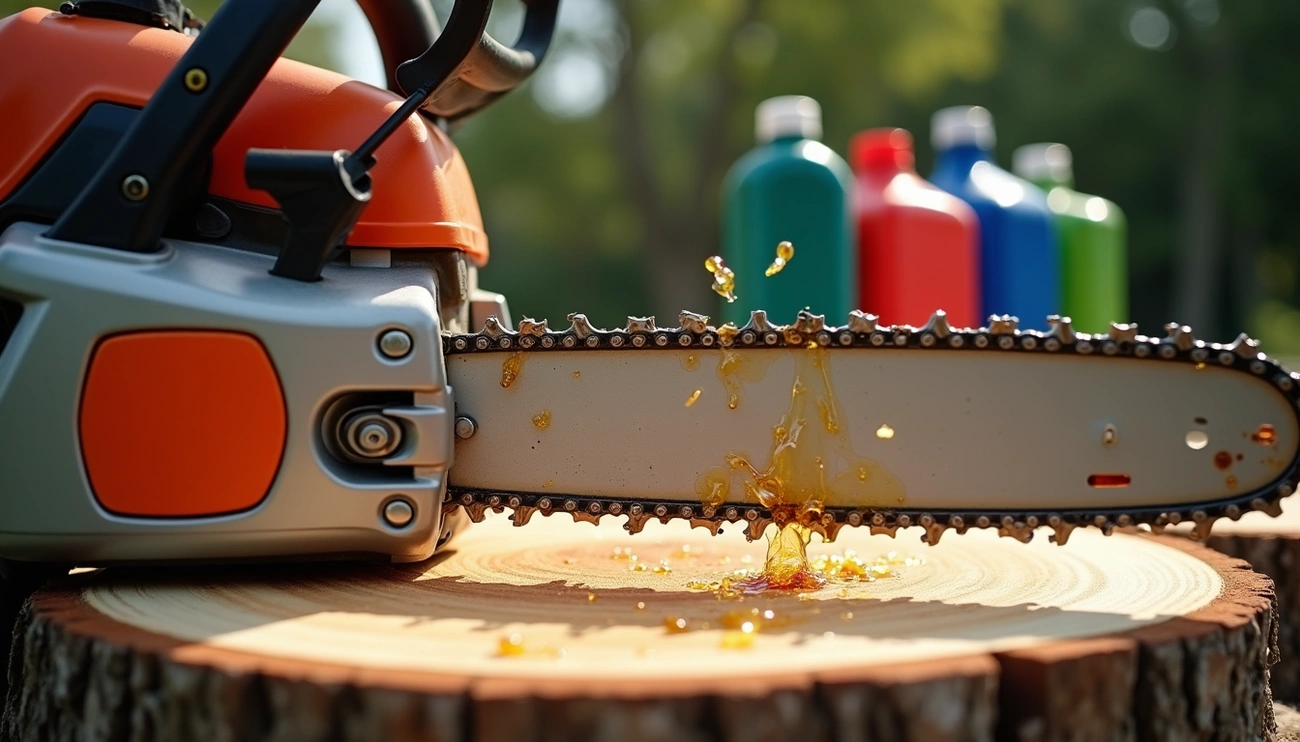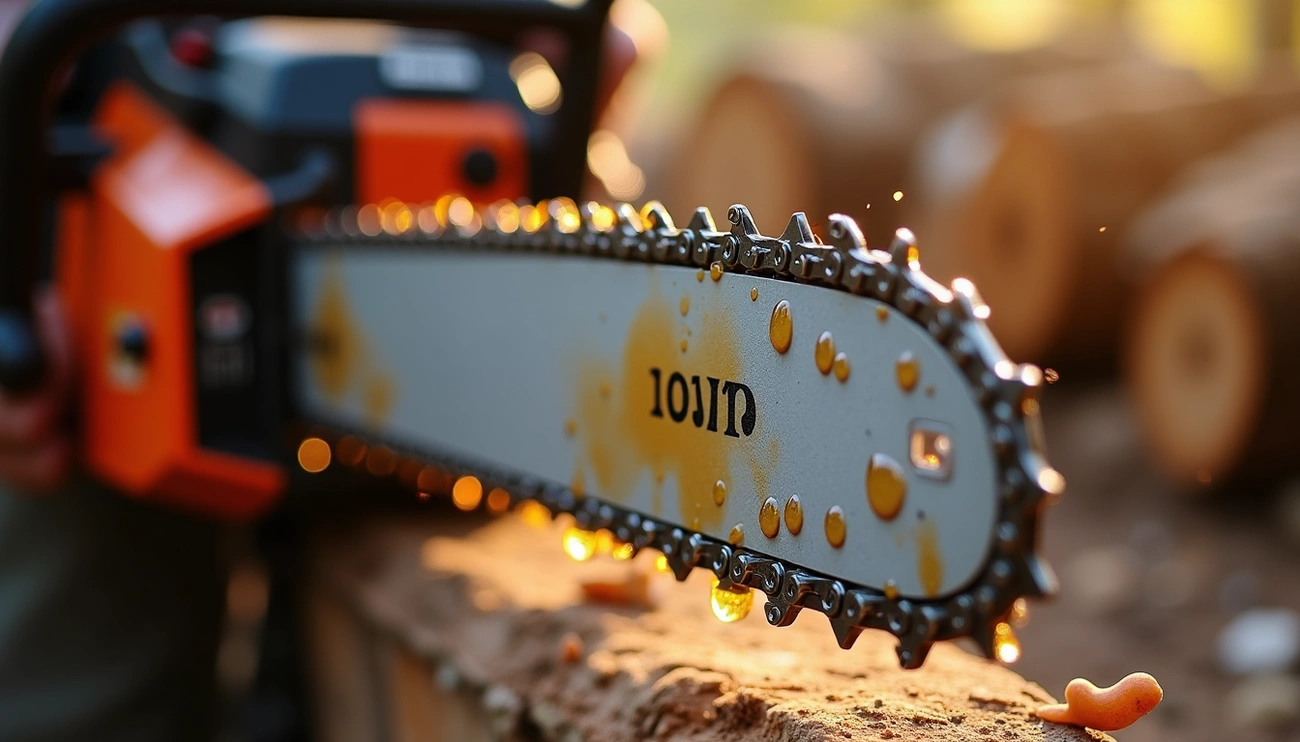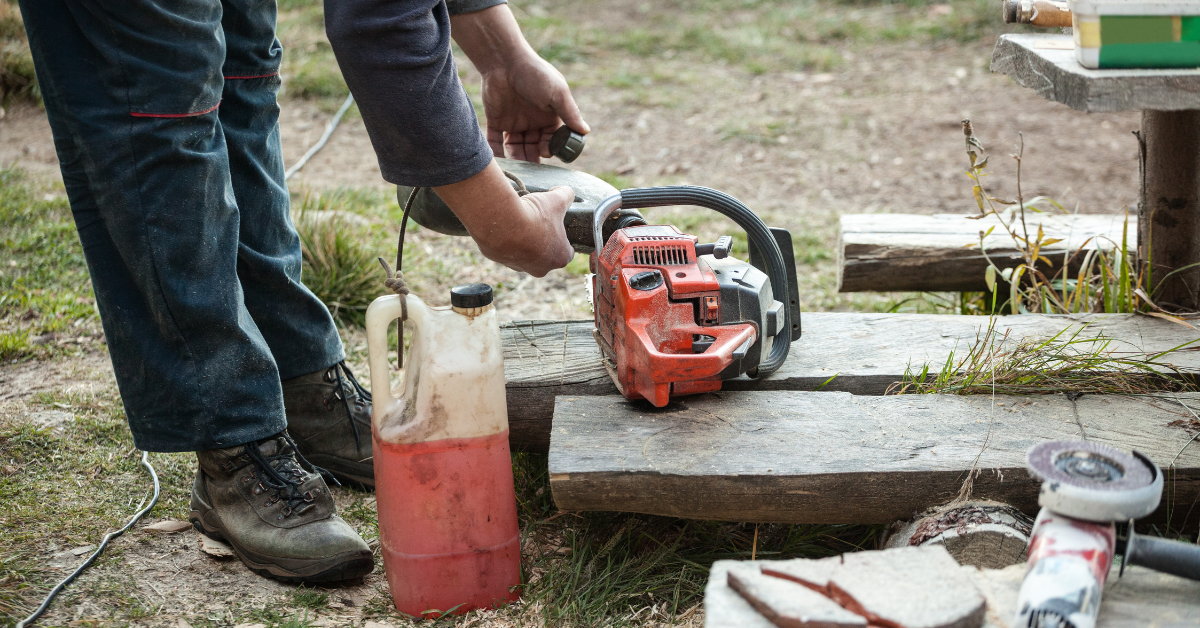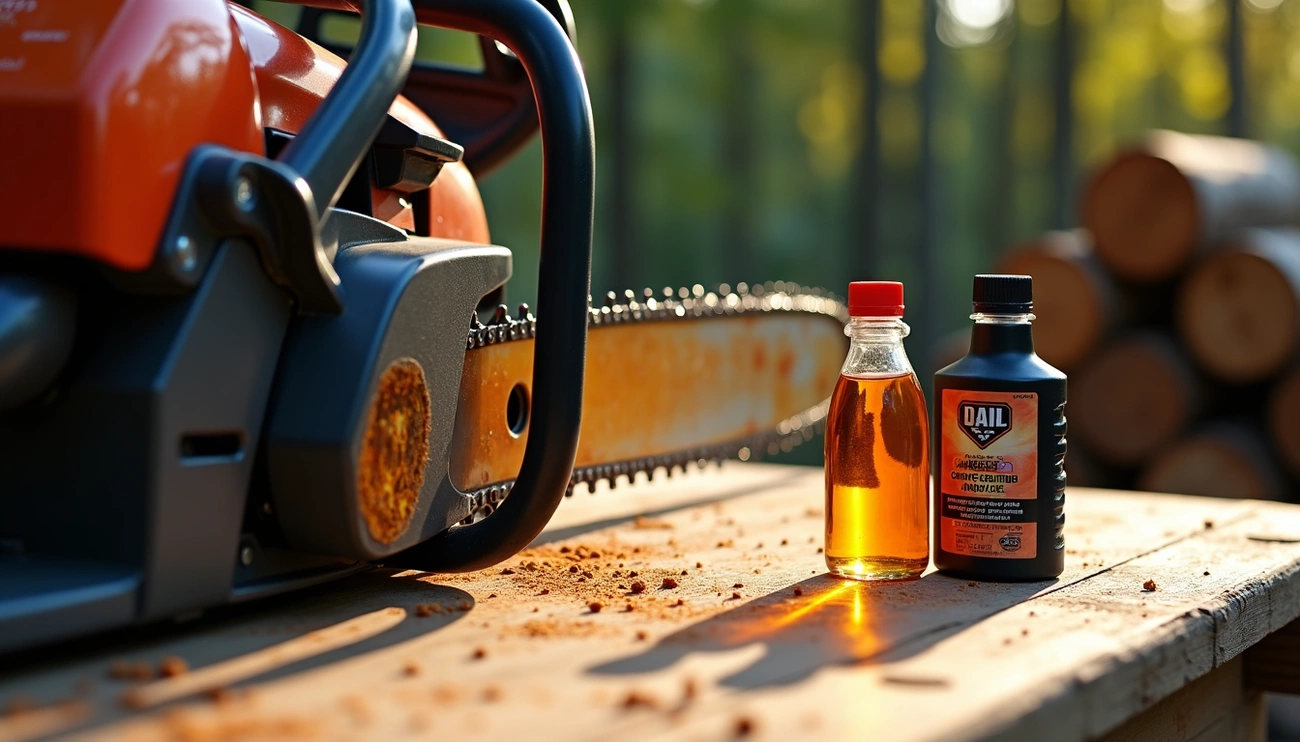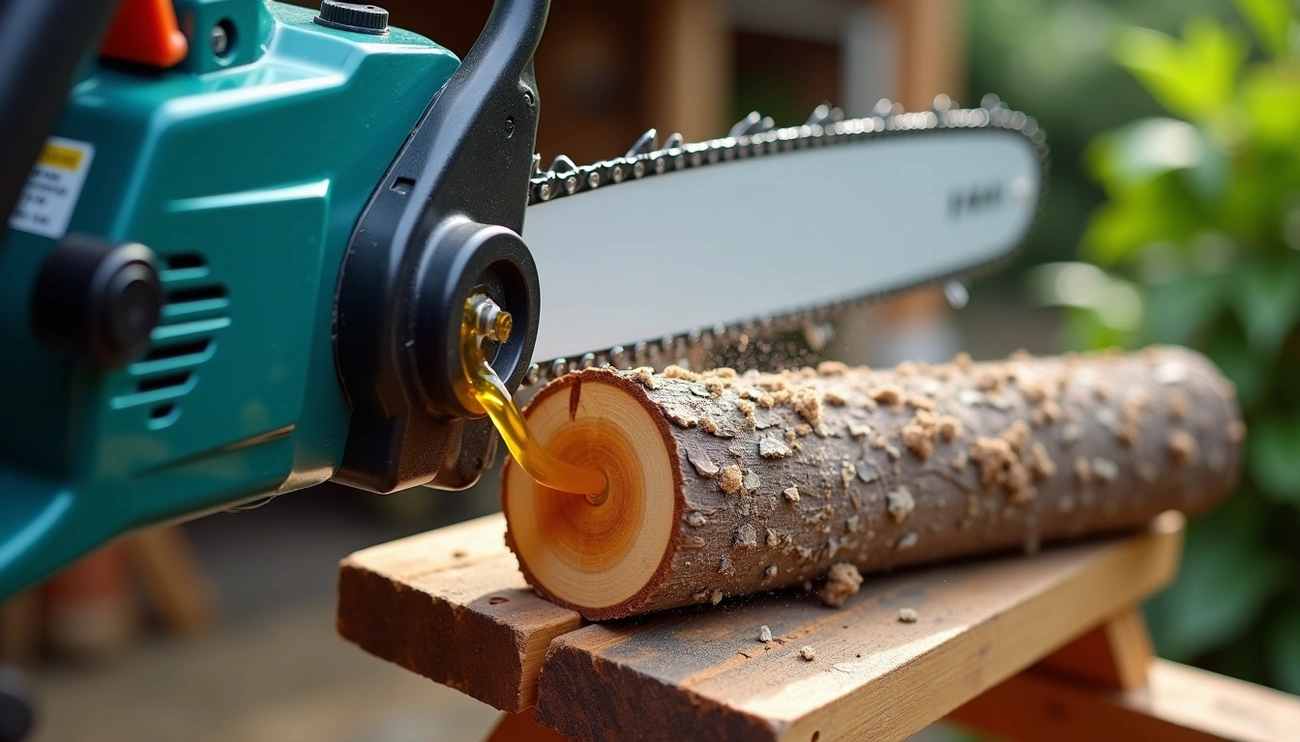
Yes, electric chainsaws need oil to lubricate the chain and guide bar. Bar and chain oil reduces friction, prevents overheating, and limits wear. Electric chainsaws do not use engine oil, but you must fill the oil reservoir before each use to ensure smooth cutting and extend tool lifespan.
Why electric chainsaws still need oil
Many new electric chainsaw owners mistakenly believe these tools require no maintenance since they don’t have gas engines. This misconception leads many to skip critical maintenance that can seriously affect their tools’ performance and lifespan.
Electric vs gas chainsaws: key differences
While both types require maintenance, their specific routines differ considerably. Gas chainsaws have 2-stroke engines that need oil mixed with fuel to operate and lubricate internal components. They generate more heat than electric models and therefore have different lubrication requirements.
Electric chainsaws, on the other hand, are powered solely by electricity. They feature fewer moving parts, don’t require fuel mix, and have significantly lower maintenance requirements—making them excellent for long-term use. Nevertheless, they absolutely require proper oiling for optimal performance.
Does an electric chainsaw need oil for the motor?
The simple answer is no. Unlike their gas counterparts, electric chainsaws don’t need engine oil. Their electric motors typically feature factory pre-lubricated sealed bearings designed to remain lubricated throughout the tool’s life.
These sealed systems eliminate the need for regular motor oil application. Consequently, you won’t need to worry about mixing oil with fuel or maintaining the motor’s lubrication system—a significant advantage of electric models.
Understanding bar and chain lubrication
Despite not needing engine oil, electric chainsaws still require bar and chain oil. During operation, your chainsaw’s cutting chain travels around the guide bar at incredible speeds, creating continuous metal-to-metal contact and generating substantial heat.
Bar and chain oil provides multiple essential protections:
- Forms a protective barrier between chain and guide bar
- Significantly reduces friction, allowing smoother operation
- Prevents wear that causes cutting teeth to dull
- Protects against rust and corrosion
- Dissipates heat to prevent component damage
Furthermore, proper lubrication improves cutting performance, reduces power consumption (extending battery life on cordless models), and maintains consistent cutting speed. Without adequate lubrication, the chain will grind directly against the bar, rapidly building friction that leads to heat, resistance, and ultimately poor cutting.
Electric chainsaws include small oil reservoirs specifically designed for bar and chain lubrication. Most models feature automatic oilers that distribute oil while cutting, but you’ll still need to check and refill this reservoir regularly.
What happens if you don’t oil your chainsaw
Neglecting to oil your electric chainsaw is a recipe for disaster. Much like driving a car without engine oil, running a chainsaw without proper lubrication can lead to catastrophic results. Let’s examine exactly what happens when you skip this crucial maintenance step.
Friction and heat buildup
Without oil, metal-on-metal contact between the chain and guide bar creates excessive friction. This friction immediately generates heat – lots of it. As the chain spins at high speeds (often exceeding 40 feet per second), temperatures can rise dramatically within minutes. The guide bar can become hot enough to burn skin on contact, and under extreme conditions, components might even begin to glow red from the intense heat.
Chain and bar wear
The absence of lubricating oil leads to accelerated wear on both chain and bar. The chain’s drive links will grind directly against the bar groove, causing rapid metal deterioration. This wear isn’t uniform – it creates uneven surfaces that further increase friction. Additionally, the cutting teeth will dull much faster without the protective oil barrier. What might have lasted for years with proper maintenance might be ruined in a single afternoon of dry operation.
Reduced cutting performance
As friction increases and components wear, cutting efficiency plummets. You’ll notice the chainsaw struggling to cut through wood that it previously handled with ease. The chain may begin to snag, jump, or create uneven cuts. Rather than slicing cleanly through wood fibers, it begins to tear and shred them, leaving rough, jagged surfaces that require additional finishing work.
Increased power consumption
For battery-powered chainsaws especially, dry operation means dramatically increased power consumption. The motor must work significantly harder to overcome the added resistance, draining batteries up to 30% faster than with proper lubrication. For corded models, this translates to higher electricity usage and increased strain on the motor, potentially shortening its lifespan.
Safety risks from dry operation
Above all, running a chainsaw without oil creates serious safety hazards:
- Increased kickback risk due to chain binding
- Chain breakage under stress, which can cause serious injury
- Overheating that can damage internal components or cause burns
- Loss of control due to inconsistent cutting performance
Ultimately, proper oiling isn’t optional—it’s essential for safe, efficient operation and longevity of your electric chainsaw.
How to oil an electric chainsaw properly
Proper oiling is essential for your electric chainsaw’s performance and longevity. Let’s examine exactly how to maintain this critical lubrication system.
Locate the oil reservoir
Initially, you’ll need to find the oil cap, typically located near the base of the bar. Most manufacturers mark it with an oil symbol or icon for easy identification. Some models feature a viewing window that allows you to check oil levels without opening the cap.
Steps to fill the oil tank
- Place your chainsaw on a flat, stable surface.
- Before opening, clean around the cap area to prevent debris contamination.
- Carefully unscrew and remove the oil filler cap.
- Using a funnel, slowly pour chain oil until just below the top.
- Securely replace the cap and wipe away any spills.
How often to check and refill
Electric chainsaws generally require more frequent oil checks than gas models. The oil tank should be checked before each use and monitored regularly during operation. Generally, the smaller oil tanks in electric models may need refilling every 10-15 minutes during heavy cutting.
Tips to avoid overfilling or leaks
Overfilling can cause messy leaks and operational problems. To prevent this, fill only to the indicated maximum level. Additionally, some chainsaws might leak when stored vertically, so consider horizontal storage or placing the oil cap facing upward when storing.
Choosing the right oil for your electric chainsaw
Selecting the correct oil is crucial for maintaining your electric chainsaw’s performance and longevity. The right lubricant makes all the difference between smooth operation and premature wear.
What type of oil for electric chainsaw?
Electric chainsaws require specially formulated bar and chain oil designed specifically for chainsaw lubrication. This specialized oil contains tackifiers—additives that enhance adhesive properties—allowing it to cling to the chain and bar even at high speeds. Accordingly, this creates a slippery layer that reduces friction between components.
Bar and chain oil vs motor oil
While motor oil might seem like a convenient substitute, it lacks the necessary properties for proper chainsaw lubrication. Bar oil contains special tackifiers that motor oil doesn’t have. Moreover, motor oil is thinner and tends to fling off quickly, leading to inadequate lubrication. Using motor oil instead of proper bar oil results in increased wear, overheating, and potential component failure.
Viscosity for different weather conditions
Oil thickness (viscosity) affects performance in different temperatures. Cold weather increases oil thickness, reducing flow, whereas heat makes it thinner. For winter operation, choose 10W or 15W weight oils that flow freely even below freezing. Essentially, summer conditions require thicker formulations (typically 30W-40W) to maintain proper lubrication.
Biodegradable and eco-friendly options
Environmentally conscious users can opt for biodegradable chainsaw oils that break down naturally without harming ecosystems. Vegetable-based options like canola oil provide decent lubrication while minimizing environmental impact. These eco-friendly alternatives protect soil and water from contamination during operation.
Do battery powered chainsaws need oil too?
Indeed, battery-powered chainsaws require chain oil just like their corded counterparts. They need proper lubrication to ensure smooth operation, reduce friction and heat, prevent rust, and maintain cutting efficiency. Most manufacturers recommend using traditional bar and chain oil, although synthetic and biodegradable options work effectively too.
Conclusion
Electric chainsaws certainly require oil, though not in the same way as their gas-powered counterparts. Throughout this article, we’ve seen that while electric models don’t need engine oil, they absolutely demand proper bar and chain lubrication. Skipping this essential maintenance step leads to excessive heat, accelerated wear, poor performance, and serious safety hazards.
Proper lubrication stands as one of the simplest yet most critical maintenance tasks for any electric chainsaw owner. Taking a few moments before each use to check your oil levels can save you from costly repairs or replacements down the road. Additionally, choosing the right oil makes a substantial difference – specialized bar and chain oil with tackifiers provides optimal protection compared to alternatives.
Remember that both corded and battery-powered electric chainsaws need this lubrication. Their lower maintenance requirements compared to gas models might tempt you to skip oil checks, but this would be a serious mistake. The small oil reservoirs typically found in electric models actually require more frequent checks during operation.