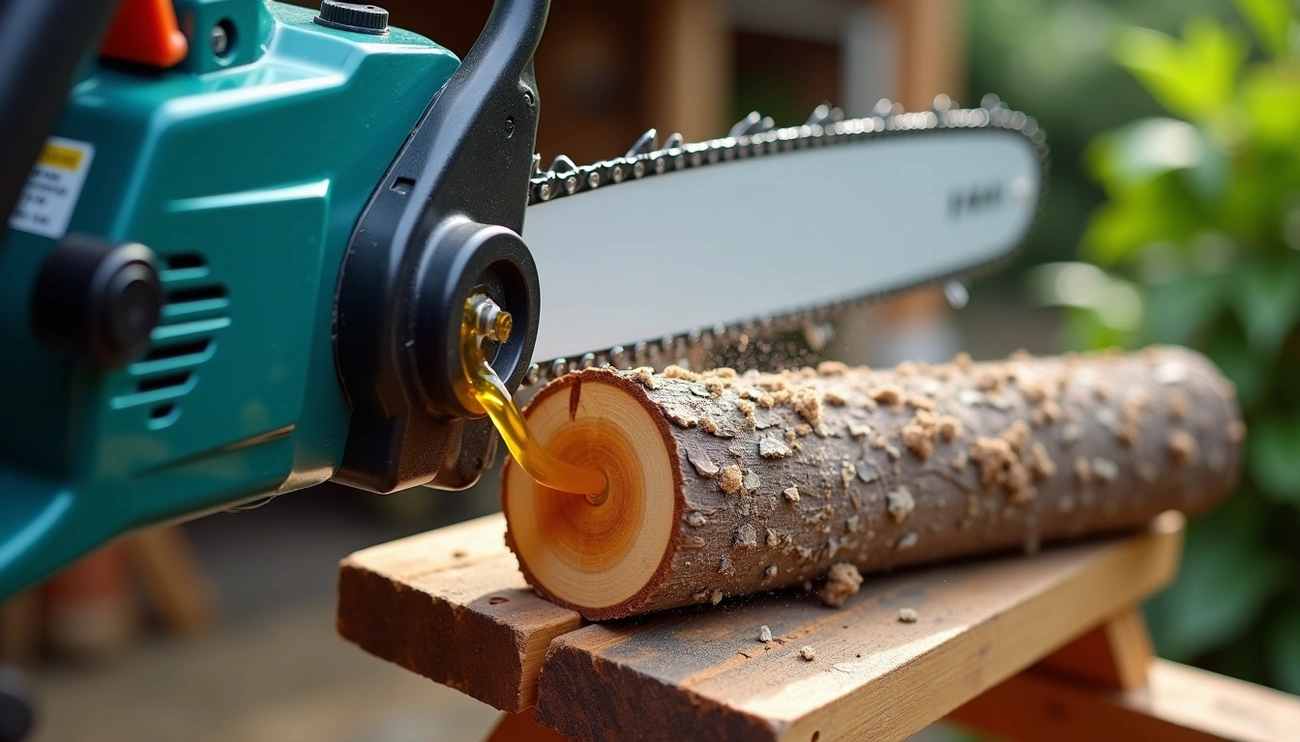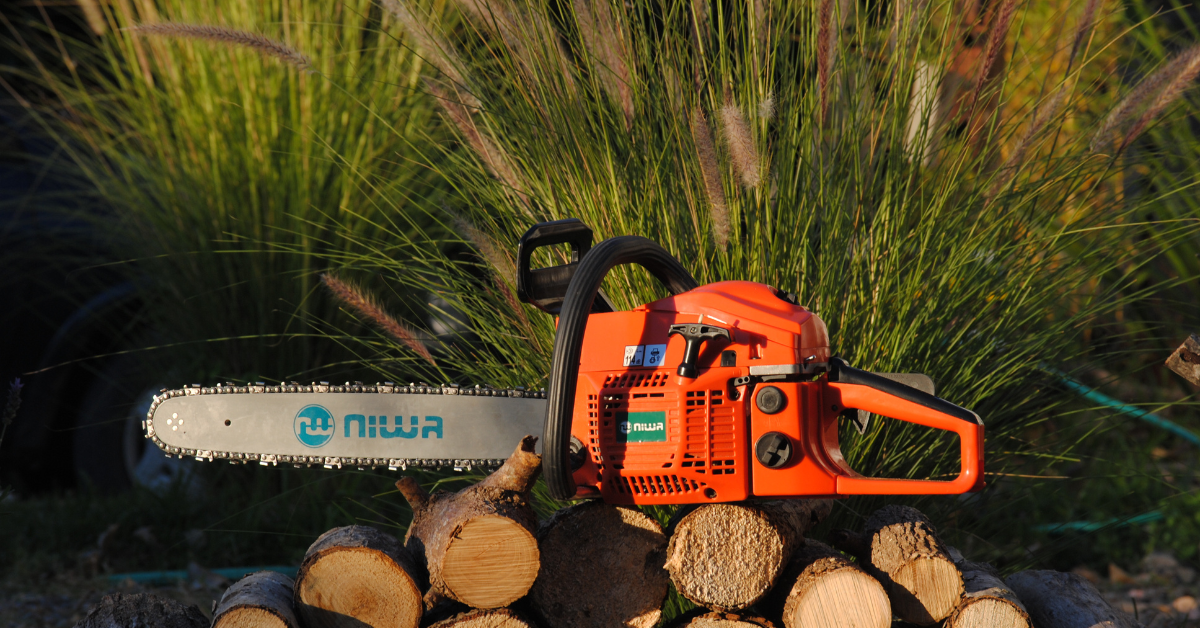
Do not use engine oil in a chainsaw’s fuel mix and avoid using it for bar and chain lubrication except in a dire emergency. Engine oil lacks the tackifiers and additives found in bar and chain oil. Using engine oil can damage the chainsaw, void the warranty, and create environmental and health risks.
What Makes Chainsaw Bar Oil Different from Engine Oil
The fundamental difference between chainsaw bar oil and engine oil lies in their specialized formulations. While you might wonder, “can I use engine oil for chainsaw” operations, understanding these differences reveals why specialized bar oil exists.
Adhesion and tackifiers explained
Chainsaw bar oil contains special additives called “tackifiers” that engine oil lacks. These polymer additives increase adhesion and film strength, helping the oil cling to metal surfaces and resist sling-off. This adhesiveness is fundamental to keeping chains well-lubricated, particularly at the tip section where centrifugal force reaches maximum. Without tackifiers, engine oil simply flings off the fast-moving chain, leaving critical components dry and vulnerable to wear.
The tackiness also ensures oil penetrates tight spaces between chain components, creating elastic, cohesive films that stay in place under shear. Engine oil, designed for enclosed systems, lacks these crucial sticky properties.
Viscosity and temperature resistance
Bar oil maintains specific viscosity characteristics crucial for chainsaw operation. Research demonstrates that friction is minimized at a viscosity value near 30 cSt, creating the perfect balance for chainsaw operation. Engine oils often have variable viscosity not formulated for the high-speed, high-friction environment of chainsaws.
Temperature performance furthermore presents a critical difference. Bar oils must function in varying outdoor conditions. In temperatures below 32°F (0°C), some oils become too thick, potentially overloading the oil pump and damaging components. Specialized winter-grade bar oils maintain proper flow in cold conditions while still providing adequate lubrication.
Environmental safety and biodegradability
When a chainsaw operates, virtually all lubricant ends up in the environment. Standard engine oil isn’t biodegradable and can harm soil, plants, and water sources when flung from the chain.
Consequently, many regions now restrict petroleum-based chainsaw lubricants. Austria has banned petroleum-based bar oils entirely, while Germany, France, and UK have placed restrictions on forestry lubricants. Biodegradable alternatives, primarily vegetable-based oils like canola oil, provide good performance while reducing environmental impact. These oils have natural properties including good lubricity, resistance to shear, high flash points, and high viscosity indexes.
Vegetable-based oils offer additional benefits – they’re easier to clean from clothes and equipment, reduce skin irritation for operators, and have low vapor pressure which reduces inhalation of fumes.
Can You Use Engine Oil for Chainsaw?
Many chainsaw owners wonder if they can substitute engine oil for bar oil. The direct answer is: you should not use engine oil in chainsaws except in rare emergency situations.
Why engine oil is not ideal
Engine oil lacks the crucial tackifiers that help bar oil stick to the chain. Without these additives, motor oil quickly flings off the fast-moving chain, leading to inadequate lubrication. This poor adhesion causes several serious problems.
First, motor oil provides insufficient lubrication because it cannot cling to moving parts. As a result, the chain and bar rub together and wear down much faster. Secondly, this increased friction generates excess heat, potentially causing the chain to overheat and fail. In worst-case scenarios, this can lead to chain breakage and safety hazards.
Moreover, standard motor oil lacks the proper viscosity for chainsaws. It’s either too thin in warm conditions or too thick in cold weather, making it unsuitable for outdoor use across temperature ranges. Notably, oil consumption can double or triple when using motor oil instead of proper bar oil.
Situations where it might be used
Despite these drawbacks, there are rare emergency situations where motor oil might serve as a temporary substitute. For instance, if you run out of bar oil while cutting firewood deep in the woods with miles to the nearest store, a small amount of engine oil is better than running the saw dry.
For such emergency use, follow these guidelines:
- Use only the minimal amount necessary
- Run the chainsaw at slower speeds to reduce oil fling-off
- Replace with proper bar oil as soon as possible
Can I use car engine oil for chainsaw?
Car engine oil, specifically, shares all the disadvantages of other motor oils. Among automotive oils, 10W-40 provides reasonable viscosity but still lacks tackiness. Meanwhile, 10W-30 is too thin and offers inadequate protection except perhaps in extremely cold conditions.
Some chainsaw owners report using SAE 30 motor oil as it comes closest to proper chainsaw oil viscosity among automotive options. Nevertheless, even this lacks the crucial tackiness additives that help oil cling to moving chains, thus providing significantly less protection than proper bar oil.
Remember that using engine oil voids most manufacturer warranties and creates greater environmental risks since it’s not biodegradable like many modern bar oils.
Risks of Using Engine Oil in a Chainsaw
Substituting engine oil for chainsaw bar oil might seem like a harmless shortcut, yet this practice introduces several serious risks that can affect both your tool and the surrounding environment.
Fling-off and poor lubrication
Engine oil lacks the crucial tackifiers that help bar oil adhere to the chain. Primarily, this causes the oil to fly off the fast-moving chain, creating poor lubrication where it matters most. Indeed, at chainsaw speeds exceeding 60 mph, regular motor oil simply cannot stay in place long enough to provide adequate protection.
Increased wear and overheating
Inadequate lubrication leads to metal-on-metal contact between chain components. Subsequently, this friction generates excessive heat that can cause the chainsaw to overheat and potentially fail. This premature wear doesn’t just damage your equipment—it creates dangerous safety hazards, including increased risk of chain breakage and kickbacks.
Environmental pollution concerns
Undoubtedly, one of the most concerning aspects involves environmental impact. Unlike biodegradable bar oils, motor oil contains additives harmful to soil and water systems. Used motor oil is even worse, containing heavy metals and toxins from engine wear. Given that chainsaws spray oil directly into the environment, this creates ongoing pollution.
Warranty and manufacturer restrictions
First thing to remember, using engine oil or any non-recommended lubricant will typically void your chainsaw’s warranty. Manufacturers specify bar oil requirements for good reason—substitute oils can damage oil pumps and cause deterioration of rubber components over time.
Safe Practices If You Must Use Engine Oil
In emergency situations where proper bar oil is unavailable, following these safety practices can minimize the risks when using engine oil for your chainsaw.
Use only clean, unused oil
Fresh, clean motor oil is essential if you must substitute for bar oil. Clearly, used motor oil contains metal particles and contaminants that accelerate wear on your chainsaw components. For optimal results, choose SAE 30 for warm temperatures or SAE 10 for cold weather operations. Avoid recycled hydraulic fluid or previously used motor oil that could harm both your equipment and the environment.
Monitor oil levels frequently
Accordingly, check your chainsaw’s oil reservoir levels more often when using engine oil. Motor oil depletes faster than bar oil due to increased fling-off. This more frequent replenishment helps maintain adequate lubrication and prevents damaging dry spots on the chain and bar.
Inspect chain and bar for damage
Pause regularly to examine your chain and bar for signs of overheating or excessive wear. Engine oil provides less protection than specialized bar oil. Stop immediately if components feel hot to the touch or show damage, allowing them to cool before continuing.
Clean up spills immediately
Overall, motor oil poses environmental hazards. Promptly clean any spills using absorbent materials like specialized wipes or granules. Dispose of oil-soaked materials according to local regulations to prevent soil and water contamination.
Consult your chainsaw manual
Prior to using any alternative oil, review your manufacturer’s guidelines. Many manufacturers specifically warn against non-recommended lubricants as they may void warranties.
Conclusion
After exploring this common dilemma, the answer becomes clear: engine oil should not replace proper bar oil in your chainsaw except during rare emergencies. Throughout my research, experts consistently emphasize that the specialized formulation of bar oil—particularly those essential tackifiers—serves a critical purpose that engine oil simply cannot fulfill.
The evidence points decisively against regular substitution. Engine oil lacks the stickiness needed to cling to chains traveling at high speeds, leading to inadequate lubrication, accelerated wear, dangerous overheating, and potential equipment failure. Additionally, most engine oils pose environmental hazards when they inevitably end up scattered across your work area.
Nevertheless, life sometimes presents situations where compromises become necessary. Should you find yourself miles from the nearest store with an empty oil reservoir, using clean engine oil temporarily beats running your saw dry. Just remember to check oil levels frequently, watch closely for signs of overheating, and switch back to proper bar oil as soon as possible.