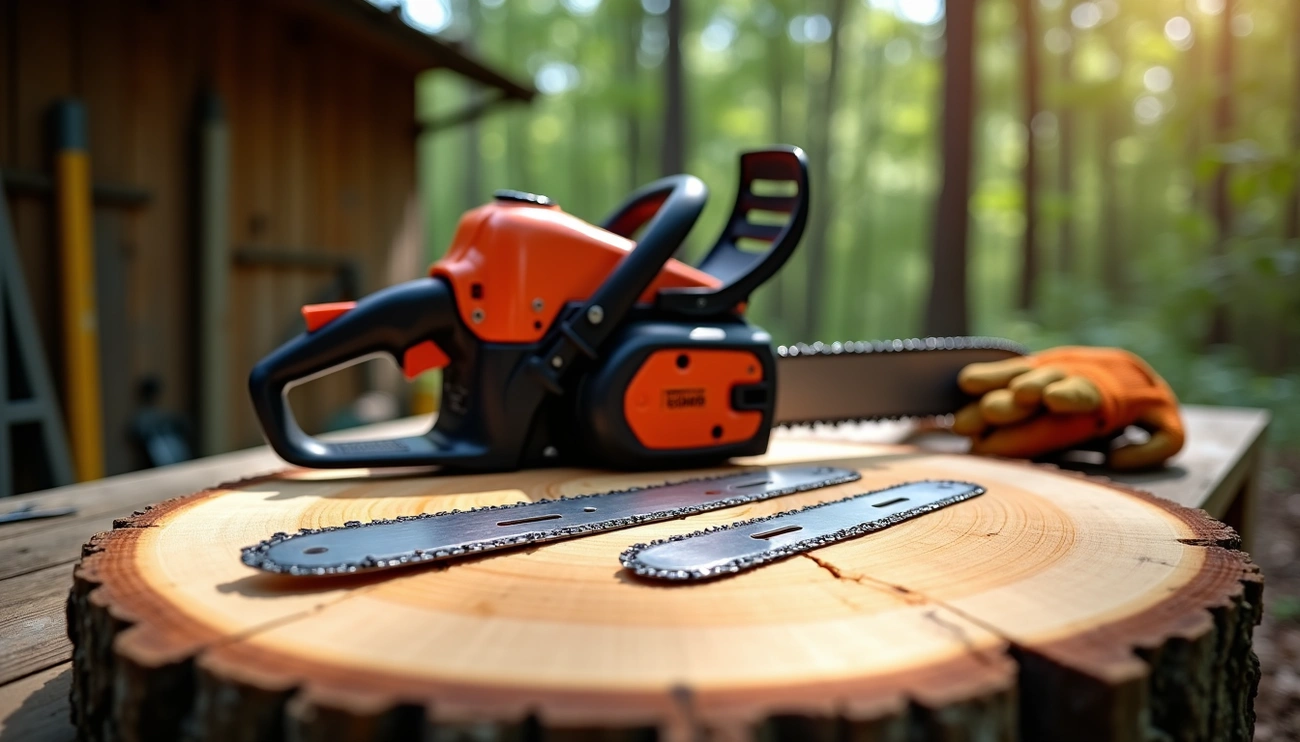
Yes, you can put a longer bar on a chainsaw if the engine has enough power to handle it. A longer bar increases engine strain, reduces cutting speed, and affects balance. Most chainsaws safely handle a 2–4 inch increase, while larger jumps require a more powerful saw.
Understanding Chainsaw Bar Length
The chainsaw bar, essentially the backbone of your cutting equipment, dictates both the precision and efficiency of your saw. Before considering whether you can put a longer bar on your chainsaw, it’s vital to understand what a bar actually is and how its length affects performance.
What is a chainsaw bar?
A chainsaw bar (sometimes called a guide bar or blade) is the sturdy, elongated metal piece that guides the cutting chain. Made from high-quality, resistant chrome molybdenum steel, it translates the engine power into cutting performance. The bar works together with the sprocket and saw chain to create the cutting action. Depending on your cutting needs, chainsaw bars come in different types including solid bars, replaceable nose bars, and carving bars—each designed for specific applications.
How to measure chainsaw bar length
Measuring your chainsaw bar correctly ensures you get the right replacement or upgrade. Here are the primary methods:
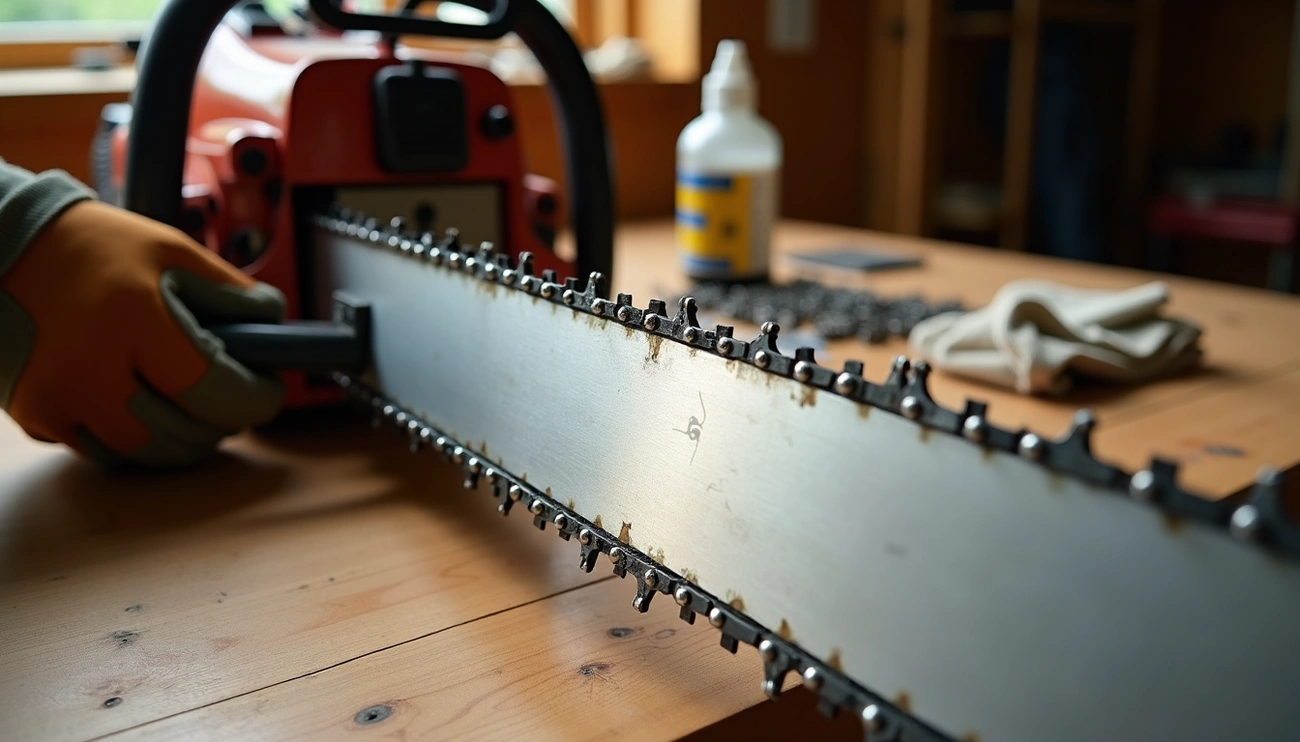
- Direct measurement: Lay the bar flat on a stable surface and measure from the tip of the bar to where it meets the chainsaw body. Round up to the nearest even number.
- Check the bar tail: Most manufacturers print the length directly on the bar’s tail, making identification straightforward.
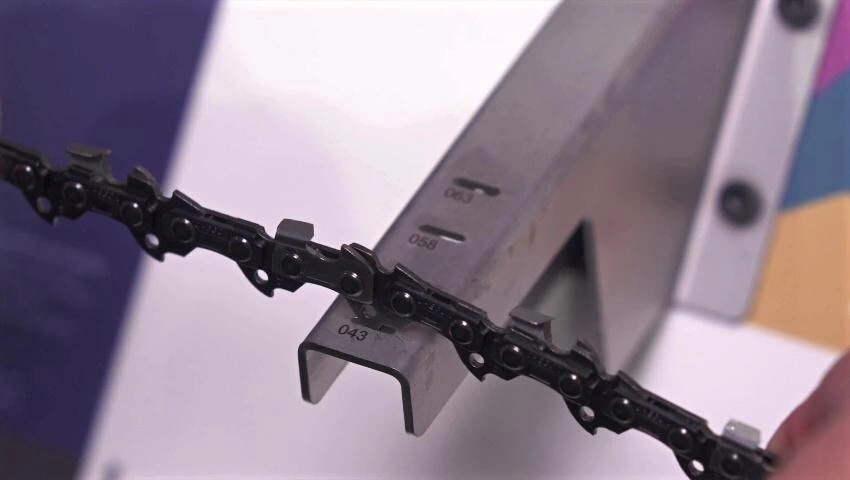
- Count drive links: If you can’t find the printed length, counting the drive links on your chain can help determine the bar size.
Remember that what matters most is the effective cutting length—the usable portion of the bar from the tip to where it meets the chainsaw body, excluding mounting hardware.
Common bar sizes and their uses
Chainsaw bars typically range from 10 to 36 inches, with most homeowners preferring bars between 16 and 20 inches. Each length serves specific purposes:
- Short bars (10-14 inches): Perfect for limbing, pruning, and small tasks—ideal for beginners
- Medium bars (16-20 inches): Best for general yard work, cutting firewood, and small trees
- Long bars (20+ inches): Designed for larger trees and serious firewood processing—requires professional skills to maintain safety
For professional-grade work like timber harvesting, bars can exceed 24 inches, yet these require considerable strength and experience to handle properly.
Can You Put a Longer Bar on a Chainsaw?
Many chainsaw owners wonder about upgrading to a longer bar, but this modification isn’t as straightforward as it might seem. Let’s examine what manufacturers recommend and whether your saw can handle more length.
Manufacturer recommendations and limits
Manufacturers specify maximum bar lengths for each chainsaw model for good reasons. Exceeding these recommendations typically voids your warranty. When I contacted dealers about longer bars, many respond with “no comment” when the saw is under warranty. This reluctance stems from knowing that inappropriate bar lengths can potentially damage your saw.
The general rule: check your owner’s manual first. Most manufacturers provide clear guidelines on minimum and maximum bar lengths suitable for your specific model.
Engine power vs. bar size
The relationship between engine power and bar length follows a clear pattern. According to established guidelines:
- Under 25cc engines: 10-12″ bars
- 26-35cc engines: 12-16″ bars
- 36-45cc engines: 14-20″ bars
- 46-60cc engines: 16-24″ bars
- 60-75cc engines: 18-28″ bars
- 76-90cc engines: 20-32″ bars
- 91-100cc engines: 24-36″ bars
- 100-115cc engines: 26-50″ bars
- Over 116cc engines: 28-84″ bars
Some enthusiasts use a quick calculation: divide your saw’s cc by 2.5 to find the maximum occasional-use bar length. For everyday use, divide by 3.1 and round down to the nearest available bar length.
Can I put a longer bar on my Stihl chainsaw?
Regarding Stihl chainsaws specifically, the manufacturer strictly recommends only certain bar lengths for each model. For instance, Stihl may only recommend 16″, 18″, and 20″ bars for some models.
Nevertheless, some users report successfully using a MS250 Stihl (approximately 45cc) with a 20″ bar, though experts suggest 16-18″ would be more appropriate for this model. For larger Stihl models like the MS311 (59cc), some users carefully use 24-25″ bars with skip chain patterns for occasional cutting of larger material.
Furthermore, longer bars require more maintenance, including proper chain tension and lubrication to prevent damage to both the saw and bar.
Risks and Safety Considerations
Safety should be your top priority when considering a longer chainsaw bar. Although longer bars expand cutting capacity, they introduce serious risks that could compromise your wellbeing and equipment performance.
Kickback and control issues
Kickback remains the most common cause of serious chainsaw injuries. This dangerous reaction occurs when the chain at the bar’s tip contacts an object or gets pinched, causing the guide bar to violently jerk back toward you in tenths of a second. Longer bars increase this hazard since they have a larger kickback danger zone at the tip. Additionally, extended bars create more leverage during kickback, potentially causing the rear handle to rip from your hand.
Weight and fatigue factors
A longer bar adds significant weight to your chainsaw. This extra mass not only makes the saw harder to control but hastens operator fatigue. Even a small increase from a 20″ to a 24″ bar demands more engine power to pull the chain, consequently burning more fuel. Tired operators face heightened injury risks, especially during extended cutting sessions.
Chain tension and lubrication
Proper maintenance becomes even more crucial with longer bars. Chain tension must be checked regularly since a loose chain can damage the bar, jump off during operation, or cause severe injuries. Similarly, adequate lubrication is essential—without it, friction increases, potentially ruining your bar, sprocket, and engine components. During cold weather, standard chain oil may become too thick, requiring winter-grade alternatives.
When a longer bar becomes dangerous
A longer bar becomes particularly hazardous in several situations. Firstly, when cutting wet wood, as increased humidity (20-60%) raises kickback angles. Secondly, when operators lack experience or become fatigued. Lastly, whenever the engine lacks sufficient power—using a bar that exceeds your saw’s recommended maximum size will likely wear out the motor rapidly and increase kickback risk.
When and Why to Upgrade Your Bar
Recognizing the right moment to upgrade your chainsaw bar can save you time, reduce strain, and improve cutting efficiency. Yet, this decision involves careful consideration of your specific cutting needs versus potential drawbacks.
Signs you need a longer bar
The most compelling reason to consider a longer bar is regularly cutting wood larger than your current bar’s capacity. Rather than repositioning yourself or the log multiple times, a longer bar allows cutting in one swath. Moreover, longer bars often reduce back strain during limbing operations by requiring less bending.
Cutting larger logs or milling
For those interested in milling lumber, specialized setups like the 36″ Alaskan Mill with appropriate bars enable approximately 30″ of usable cutting capacity. Indeed, milling operations generally demand longer, more robust bars designed specifically for ripping cuts rather than standard cross-cutting. Yet, appropriate power is crucial—even for milling, most professionals recommend at least 70-90cc engines when using bars exceeding 32 inches.
Alternatives to upgrading the bar
Instead of immediately opting for a longer bar, consider improved cutting techniques with your existing equipment. Many professionals primarily use 20″ bars for 95% of their work, finding them better balanced, faster cutting, and easier to maintain. Proper chain maintenance—particularly sharp ripping chains for milling—often yields better results than simply increasing bar length.
Cost vs. benefit analysis
Replacement bars typically cost between USD 30-150 depending on length and quality. Beyond purchase price, longer bars demand more maintenance, wear faster, and strain smaller engines. Unless you’re frequently cutting material exceeding your current bar length, the added weight and reduced maneuverability may outweigh potential benefits. For occasional larger jobs, matching bar length to your most common cutting diameter generally proves more practical.
Conclusion
Deciding whether to put a longer bar on your chainsaw ultimately depends on your specific cutting needs and your saw’s capabilities. Throughout this guide, we’ve seen that chainsaw manufacturers specify maximum bar lengths for good reasons. Safety concerns, especially increased kickback risk, make this decision far more important than simply wanting more cutting capacity.
Your chainsaw’s engine power stands as the primary limiting factor when considering bar length upgrades. A smaller homeowner-grade saw with 40cc might handle a 16-20 inch bar, while professional models with larger engines can safely accommodate bars exceeding 24 inches. Pushing beyond these limits not only voids warranties but also significantly increases safety risks.
Rather than automatically opting for the longest possible bar, consider whether you truly need the extra length for regular cutting tasks. Most professionals rely on 20-inch bars for nearly all their work because these bars offer better balance, faster cutting, and easier maintenance. Additionally, proper cutting techniques and well-maintained chains often prove more effective than simply increasing bar length.