How to Get a Chainsaw Unstuck: Pro Tips That Actually Work
Get a chainsaw unstuck by turning it off and relieving pressure on the bar. Pry the cut open with wedges or a pry bar, or lift the log to free the chain. If deeply pinched, make a nearby relief cut or remove the bar.
Why Chainsaws Get Stuck
Understanding why chainsaws get stuck is crucial for preventing frustration during cutting jobs. Pinching occurs when the wood clamps down on the blade, trapping it firmly in place. This common problem happens to even experienced users but can be avoided with proper knowledge.
Common causes of pinching
Several factors contribute to chainsaw pinching. First, logs and branches contain internal stress that can cause the cut (kerf) to close on the bar as you cut through. Second, using incorrect cutting techniques, such as cutting straight through without relief cuts, frequently leads to binding. Third, poor support of logs allows them to roll or sag during cutting, which creates pressure that squeezes the bar. Finally, a dull or poorly maintained chain drags rather than slices, making binding more likely.
When chainsaw blades are most at risk
Chainsaw blades become particularly vulnerable in specific situations. Primarily, blades easily get stuck when cutting downwards on logs that aren’t perfectly level with the ground. The downward force causes the wood to close around your chain, especially when cutting from the top down. Furthermore, binding can lead to dangerous situations including kickback, which can throw the saw up and back toward the user in just one-tenth of a second—faster than human reaction time.
How log position affects cutting
The way a log rests on the ground significantly affects where tension and compression occur:
- Log supported at both ends: The top is under compression while the bottom is under tension. Cutting from the top will cause the wood to close on the bar.
- Log supported in the middle: The bottom is under compression while the top is under tension. Starting with a bottom cut, then finishing from the top prevents pinching.
- Log supported at one end: The underside experiences compression. In this case, cross-cutting should be performed from above.
Before starting any cut, I always examine the log to identify these pressure points. Gravity causes logs to bend when being cut, creating areas of compression that can bind the saw and tension that can cause the wood to spring out when released.
How to Prevent Chainsaw Pinching
Preventing a chainsaw from getting pinched starts with proper preparation and technique. Once you know what causes pinching, you can take specific steps to avoid this common problem altogether.
Use wood blocks to support logs
Creating a stable base is essential for safe cutting. I always ensure logs are lying flat and level with the ground by using smaller logs or firewood pieces as supports to fill gaps beneath the main log. This DIY sawhorse technique effectively reduces tension in the wood, consequently preventing the chainsaw blade from getting pinched. For larger logs, consider using multiple support points to distribute weight evenly.
Apply the cross-cutting technique
The cross-cutting technique varies based on how the log is supported. For logs supported on both ends, I make a top cut about one-third of the way through the log’s diameter, then complete the cut from the underside to meet the initial cut. Alternatively, if a log is supported on one end, I start with a shallow undercut before finishing from the top. As an important safety measure, always stand to the side during cross-cutting to minimize injury risk if the log shifts unexpectedly.
Understand top vs bottom pressure points
Identifying pressure points is crucial for preventing pinching. On logs supported at both ends, compression occurs on the top while tension exists on the bottom. Therefore, I always assess the condition of the trunk and the stresses affecting it prior to cutting. For thicker logs, start crosscutting the opposite side, pulling the saw toward you to about one-third of the trunk diameter, then crosscut from the bottom.
Avoid cutting on uneven ground
Uneven ground creates unpredictable pressure points on logs. Chainsaw blades most commonly get stuck when cutting on uneven surfaces because the log isn’t level with the ground, causing it to close up on the chain. I exercise extreme caution when working on slopes or uneven ground, often taking extra time to level the cutting area or reposition the log whenever possible.
How to Get a Chainsaw Unstuck
Despite our best efforts, chainsaws sometimes get stuck in wood. When this happens, staying calm and following a methodical approach will help you retrieve your saw safely.
Turn off the engine and assess the situation
Initially, shut off the engine completely. This safety step prevents any accidental movement of the chain that could cause injury or damage to the equipment. Afterward, take a moment to examine the situation carefully – observe how the wood is positioned, where pressure points exist, and what’s causing the pinching.
Use wedges or crowbars to relieve pressure
Wedges, crowbars, or similar tools are ideal for freeing a stuck chainsaw. These tools help force the tree open right at the cut. Insert a felling wedge or crowbar into the kerf (cut) to gently lift the pressure off your chain and bar. Working with precision rather than brute force yields better results – apply steady pressure until you feel the wood beginning to release its grip.
Lift the log near the cut if possible
For logs lying on the ground, try lifting the wood close to where your cut was made. The closer you can lift to the pinch point, the easier it will be to extract your saw. Sometimes, placing smaller logs underneath as supports can relieve enough pressure to free the blade. Nevertheless, be cautious about using jacks under trees as the ground may be soft, causing the tree to move unexpectedly.
Use another saw to cut above the stuck blade
When other methods fail, a second saw can be invaluable. Make a relief cut higher up on the tree or log, which can release tension on your stuck saw. Be extremely careful not to cut into the trapped bar. Some professionals carry a spare bar and chain specifically for this purpose.
What to do if chainsaw is stuck in a standing tree
When your saw is trapped in a standing tree, the approach differs slightly. You might push or pull the tree in the opposite direction, though this requires caution as the weight could damage your blade. Alternatively, try fitting a wedge into the cut to create enough space to remove the saw. As a last resort, some experienced operators remove the powerhead from the bar, freeing the motor while leaving only the bar stuck.
Remember, rushing or using excessive force can bend your bar or damage your saw permanently. A calm, methodical approach works best in these frustrating situations.
Safety Tips and Tools to Use
Safety must be the top priority when attempting to free a stuck chainsaw. The right equipment and proper techniques not only protect you but also prevent damage to your valuable tools.
Wear protective gear at all times
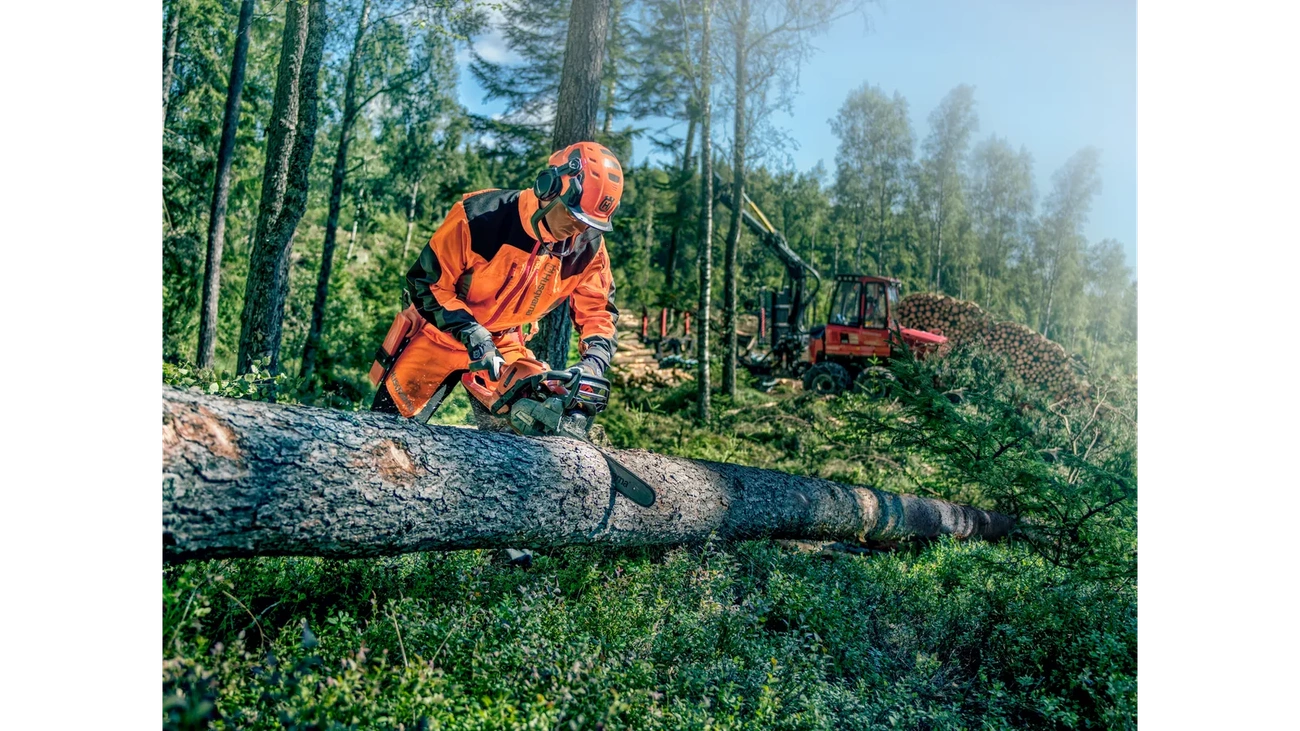
Complete personal protective equipment (PPE) is non-negotiable when operating or unsticking a chainsaw. More than 36,000 chainsaw injuries occur annually, with each requiring an average of 110 stitches. Essential protection includes a hard hat to guard against falling debris, eye and face protection, hearing protection rated for 110 dB noise levels, cut-resistant leg protection (chaps or pants), steel-toed boots, and sturdy work gloves. Moreover, PPE should be regularly inspected and replaced when worn—helmets, for instance, need replacement every 3-5 years.
Use high-quality wedges and crowbars
Investing in proper tools makes unsticking a chainsaw safer and more effective. High-quality wedges and crowbars provide the leverage needed to relieve pressure without damaging your equipment. Indeed, these accessories aren’t just convenient—they’re essential safety items that reduce the risk of injury during recovery operations.
Avoid pulling the saw forcefully
Certainly, the urge to yank a stuck saw can be strong, but this often leads to bent bars or damaged chains. Instead, assess the situation calmly and apply steady, controlled pressure using proper tools.
Keep a second chainsaw or helper nearby
For one thing, having a backup saw available can save your workday when your primary saw gets stuck. Additionally, a helper maintains safety by providing assistance during unsticking operations—just ensure they also wear complete protective gear.
Conclusion
Dealing with a stuck chainsaw doesn’t need to derail your entire cutting project. Throughout this guide, we’ve explored the common causes of chainsaw pinching, from internal wood stress to poor cutting techniques and improper log support. Understanding these factors certainly helps prevent most binding situations before they happen.
Prevention remains your best strategy against stuck chainsaws. Proper log support using blocks, mastering cross-cutting techniques, and identifying pressure points dramatically reduce the chances of your saw getting trapped. Most importantly, assessing each cutting situation before starting work saves significant time and frustration later.
When your chainsaw does get stuck despite precautions, following a systematic approach works best. Turn off the engine first, then use wedges or crowbars to relieve pressure gradually. Lifting the log near the cut point or using a second saw for relief cuts provides additional solutions without damaging your equipment.