What Causes Chainsaw To Cut Crooked? (Simple Fixes)
A chainsaw cuts crooked due to an unevenly sharpened chain where teeth on one side are longer or filed at a different angle. Other common causes include uneven bar rail wear, improper chain tension, a bent guide bar, dull cutters, or uneven depth gauge filing from poor maintenance.
Common Signs Your Chainsaw Is Cutting Crooked
Recognizing the signs of a crooked-cutting chainsaw is crucial before you can address the underlying problem. If you’re wondering what causes chainsaw to cut crooked, first you need to identify the symptoms.
Cuts veer to one side
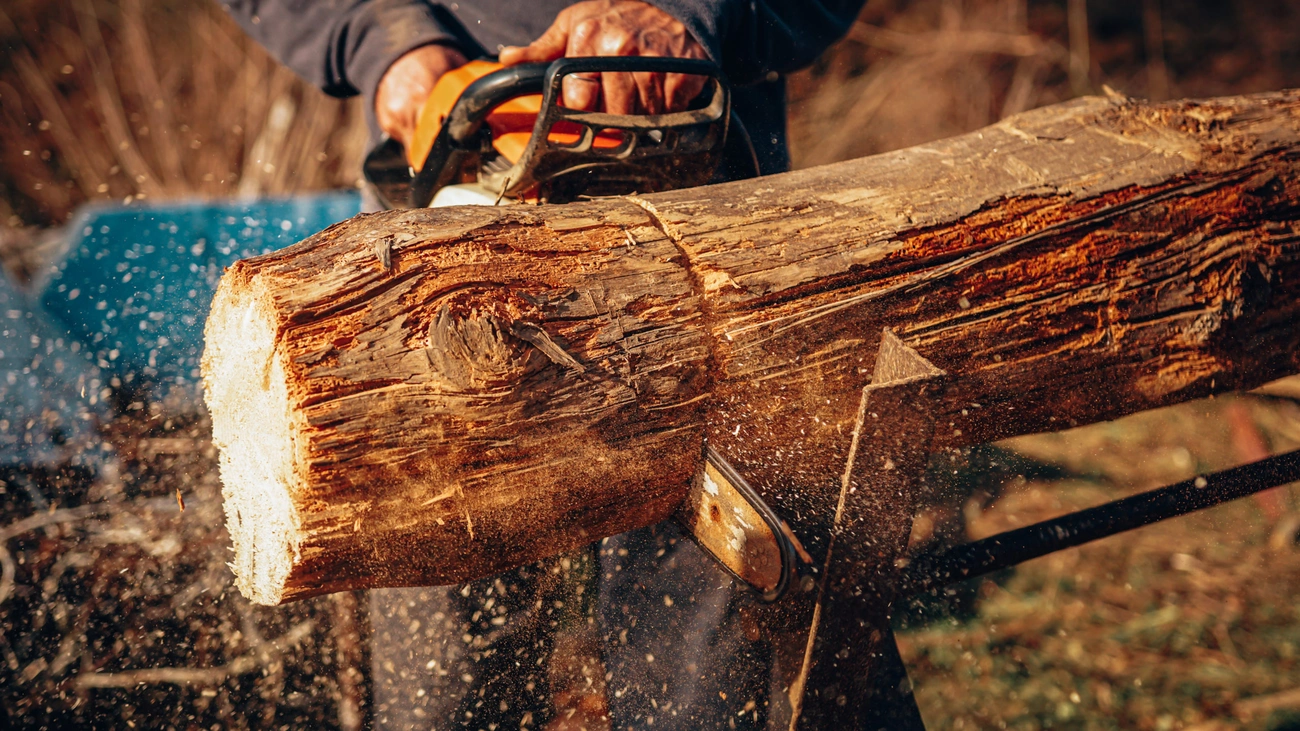
The most obvious sign of trouble is when your chainsaw consistently pulls in one direction while cutting. You might notice the cut starts straight but gradually veers left or right as you progress through the log. This deviation isn’t random—a chainsaw cutting crooked typically pulls toward a specific side repeatedly. Furthermore, you may find yourself fighting against the saw to maintain a straight line, which quickly becomes exhausting and produces inconsistent results. Sometimes the problem is so pronounced that one half of a log ends up several inches shorter than the other.
Chain feels like it’s pulling
Another telltale sign is the distinctive sensation you’ll feel in your hands. Instead of the chainsaw cutting smoothly through wood, it feels as though the machine is actively pulling itself toward one side. This pulling sensation often requires you to constantly compensate by applying counter-pressure, making precise cuts nearly impossible. Many operators describe it as though the saw has “a mind of its own,” requiring significantly more effort to control. The chainsaw might also cut more slowly than usual despite applying normal pressure.
Uneven wood surfaces after cutting
The aftermath of a crooked-cutting chainsaw is plainly visible in your finished work. Rather than clean, straight surfaces, you’ll notice wavy or uneven cuts across the wood. In severe cases, the cut might appear curved or angled, with one end of the surface noticeably different from the other. Essentially, when examining cross-sections, you’ll find they’re not perpendicular to the length of the log. After multiple cuts, this problem becomes particularly evident—instead of uniform pieces with parallel sides, you’ll have a collection of trapezoid-shaped sections that can’t be properly stacked or used for construction purposes.
Before attempting any fixes, properly identifying these symptoms helps determine the exact cause of your chainsaw cutting crooked, which we’ll explore in the next section.
Main Causes of a Chainsaw Not Cutting Straight
There are several underlying mechanical issues that can make a chainsaw cut crooked. Identifying these problems is the first step toward fixing them permanently.
Uneven chain teeth length
The primary reason a chainsaw cuts crooked is uneven teeth length on the chain. When one side of the chain has shorter teeth than the other, your saw will naturally pull toward the side with longer, more aggressive teeth. This typically occurs after hitting rocks, nails, or other hard objects that damage only one side of the chain. To cut straight, all teeth must be uniform in length, forming a balanced “team” of cutters.
Incorrect sharpening angle
Even with equal tooth length, improper filing angles can cause a chainsaw to cut crooked. Standard STIHL saw chains require a 30-degree sharpening angle. Inconsistent angles between the left and right cutters force the saw to cut more aggressively on one side. Moreover, when filing by hand, right-handed users often sharpen left-side cutters more effectively, consequently creating an imbalance.
Worn or damaged guide bar
A guide bar with unevenly worn rails forces the chain to rotate at an angle rather than aligned with the bar. This creates a vicious cycle where uneven bar wear causes crooked cuts, which in turn causes more uneven wear. Replace the bar if the rails are uneven, if metal has turned blue from overheating, or if the bar is bent, cracked, or otherwise damaged.
Loose or misaligned chain
When a chain is improperly seated on the bar or sprocket, it can’t track straight. This might happen after improper reassembly or if the bar mounting area is damaged.
Improper chain tension
A chain that’s too loose can wander off track during cutting, whereas one that’s too tight can bind against the bar. Both situations lead to crooked cuts and accelerated wear.
Worn sprocket or mounting issues
The sprocket transfers engine power to the chain. As it wears, the chain’s pitch changes, resulting in loss of power and uneven cutting. Signs of sprocket wear include teeth becoming chipped, excessively deep grooves, and the chain feeling like it’s slipping under load.
Simple Fixes to Make Your Chainsaw Cut Straight Again
After identifying what causes chainsaw to cut crooked, it’s time to fix these issues with some straightforward solutions. Fortunately, most problems can be resolved without professional help.
Sharpen all teeth evenly
The most effective fix for a chainsaw that cuts crooked is proper sharpening. Use a suitable round saw chain file and sharpen all teeth with the same number of strokes per cutter from inside to outside. This ensures equal cutter lengths, creating a balanced cutting action. You’ll know you’ve removed damage when each cutter has a shiny, silver face. Consider placing the chain in a vice that pinches the bar but allows free chain rotation to achieve consistent results.
Check and adjust chain tension
Proper tension is crucial for straight cuts. First, loosen the bar nuts using a combination spanner, then raise the tip of the bar while tightening the chain tensioning screw clockwise. The chain should be snug against the underside of the bar but still pull freely by hand. A correctly tensioned chain shouldn’t lift more than 5 mm when pulled from the middle of the guide bar.
Dress or replace the guide bar
Use a screwdriver to clean the guide bar groove and oil lubrication hole. Check for nicks and remove them with a flat file. Inspect the bar tip for uneven wear – if worn on one side, simply flip the bar over; if both sides are worn, replacement is necessary. A bar should be replaced if it has uneven rails, metal that’s turned blue from overheating, or if it’s bent or cracked.
Lubricate the chain properly
Proper lubrication prevents overheating and ensures friction-free movement around the bar. Check that your lubrication system works by starting your saw (with chain brake off) and revving the engine near a tree trunk – oil marks indicate proper function. Always keep oil reservoirs topped off; they’re sized to empty alongside fuel tanks.
Replace worn sprockets
The sprocket drives the chain and should be replaced when you notice decreased performance or visible wear. Look for chipped teeth or excessively deep grooves. Many manufacturers recommend replacing the sprocket after every two chains have been worn out.
How to Prevent Crooked Cuts in the Future
Preventing a chainsaw from cutting crooked is simpler than fixing the problem afterward. Regular maintenance routines can save you hours of frustration in the long run.
Flip the guide bar regularly
Just like rotating tires on a car, flipping your guide bar prevents uneven wear. Ideally, flip the bar every 10-25 hours of use or whenever you sharpen the chain. This balanced approach allows both sides to share the workload, extending bar life substantially. Remember to clean the groove and oil holes each time you flip the bar.
Sharpen the chain after every few uses
Don’t wait until your chain is completely dull. The golden rule: sharpen lightly but regularly. Many professionals sharpen their chains every time they refuel. Count the number of file strokes and apply the same number to each tooth, ensuring uniform length. This consistency prevents the chainsaw from pulling to one side.
Use the right cutting technique
Maintain a level bar position throughout cuts. If you find yourself “rocking” the saw back and forth to trim, your chain likely needs sharpening. A properly sharpened chain throws wood chips rather than dust—this visual cue indicates optimal cutting performance.
Avoid hitting dirt or metal
Even momentary contact with soil or rocks instantly dulls cutters. Always support logs sufficiently off the ground when cutting. Check wood for embedded nails or metal objects beforehand.
Inspect bar and chain before each use
Examine the chain for tooth dullness, damaged links, and proper tension. Check the bar for groove wear, bent rails, or cracks. Early detection prevents minor issues from becoming major problems.
Conclusion
Maintaining a straight-cutting chainsaw requires regular attention and proper technique. Throughout this guide, we’ve uncovered several reasons why chainsaws cut crooked and provided actionable solutions for each problem. Most notably, uneven chain teeth and worn guide bars stand out as the primary culprits behind crooked cuts.
After all, a chainsaw performs best when all components work together in harmony. While it might seem tedious to flip your guide bar regularly or count file strokes during sharpening, these small habits prevent major headaches down the road. Additionally, proper tension adjustment and lubrication significantly extend the lifespan of your equipment.
Remember that prevention trumps correction every time. Rather than struggling with a saw that constantly pulls to one side, implement the maintenance routines we’ve discussed. A well-maintained chainsaw not only cuts straight but also operates more efficiently and safely.