How to Clean Stihl Chainsaw Like New (With Maintenance Tips)
Clean a STIHL chainsaw by removing the bar and chain, then brushing or blowing out sawdust from the sprocket area, bar groove, cooling fins, and air filter. Remove burrs, clean with resin solvent if needed, lubricate the bar and chain, and reassemble. Clean lightly after each use and deeply each season.
Get Ready: Safety and Setup First
Safety comes first when tackling chainsaw maintenance. Properly preparing your Stihl chainsaw for cleaning prevents accidents and ensures you can work efficiently. Let me walk you through the essential safety steps and setup process.
Unplug or remove battery before cleaning
The most critical safety step happens before you even touch your chainsaw. Depending on your Stihl model, you need to completely disable the power source:
- For electric chainsaws: Unplug the power cord from the outlet
- For battery-powered models: Remove the battery pack entirely
- For gas-powered chainsaws: Switch off the engine completely
This precaution ensures the saw cannot accidentally start while you’re working on it. Furthermore, always wait until all moving parts have stopped and the engine has cooled down, particularly with gas models where hot components can cause burns.
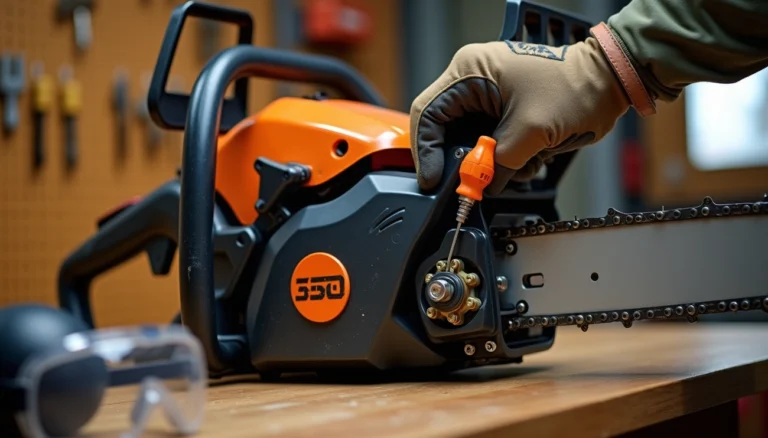
Engage chain brake and wear gloves
After disabling the power source, engage the chain brake as an additional safety measure. The chain brake serves as a mechanical lock that prevents the cutting chain from moving, providing an extra layer of protection during maintenance.
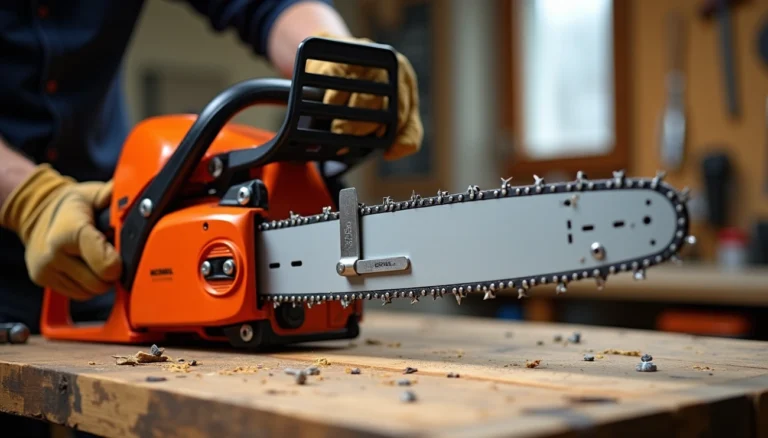
Next, put on sturdy work gloves made from durable material. These protect your hands not only from the sharp chain teeth but additionally from chemicals and solvents you might use during cleaning. Your Stihl instruction manual lists appropriate protective gear for your specific model.
Gather tools and cleaning supplies
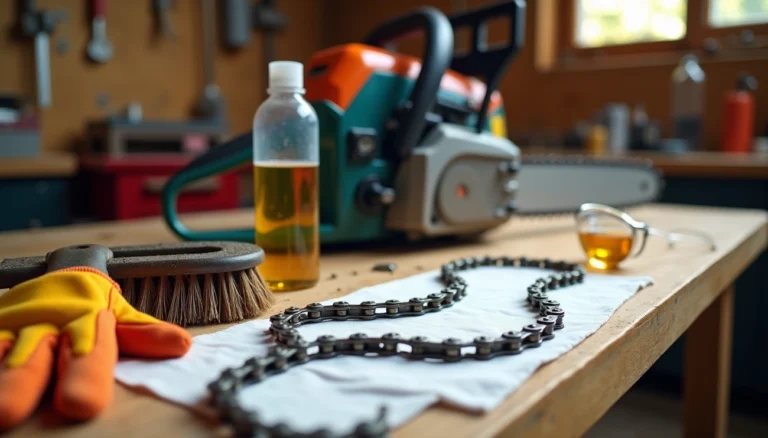
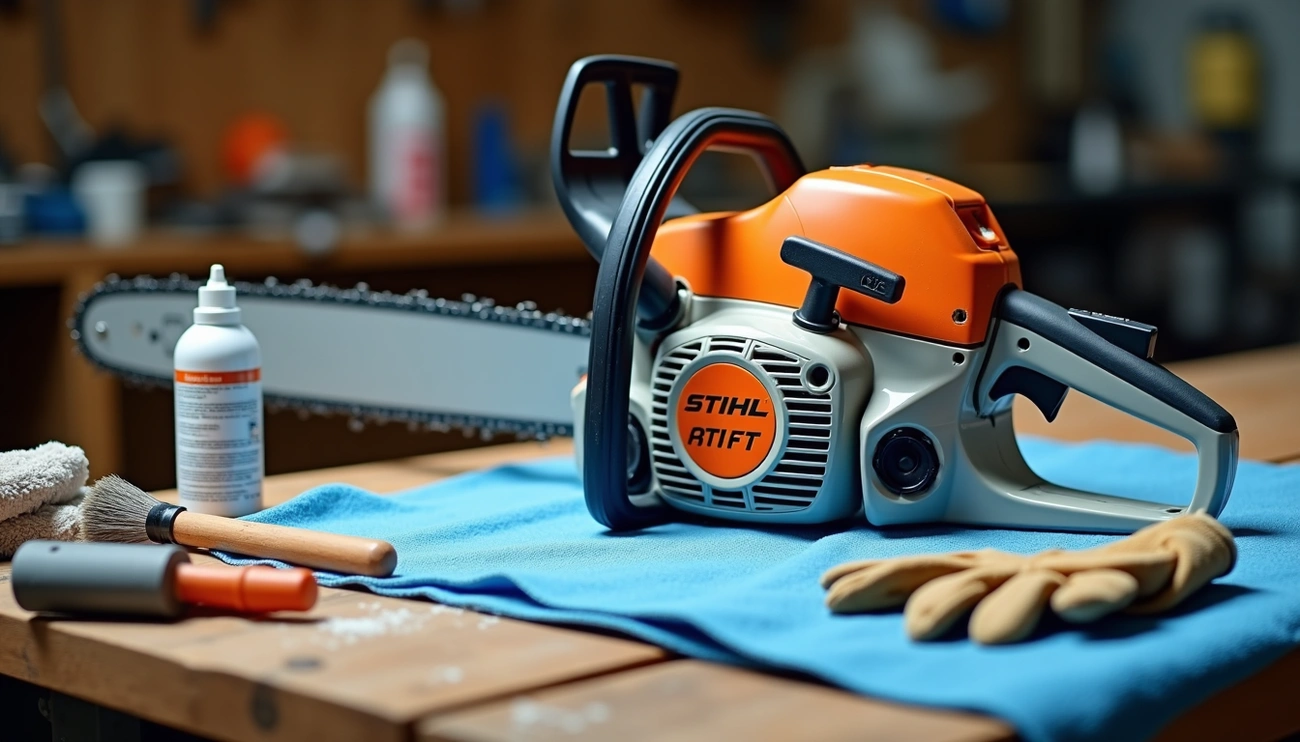
Now that you’re safely prepared, collect everything you’ll need:
- Clean paintbrush for removing loose debris
- Soft cloth for wiping surfaces
- STIHL resin solvent (SuperClean) or Multi-Spray for stubborn residue
- Appropriate filing tools if you plan to sharpen the chain
- Scrench tool (combination screwdriver/wrench) for removing parts
Having all supplies ready prevents interruptions during the cleaning process. For gas-powered saws, ensure you’re working in a well-ventilated area to avoid carbon monoxide exposure.
With safety precautions in place and supplies at hand, you’re now ready to begin the actual cleaning process. Initially focusing on exterior components will make the deeper cleaning steps easier and more effective.
Clean the Exterior and Cutting Parts
The external components of your Stihl chainsaw collect the most visible dirt and debris. Starting with these areas makes subsequent internal cleaning easier and more effective.
Remove dirt from housing and sprocket area
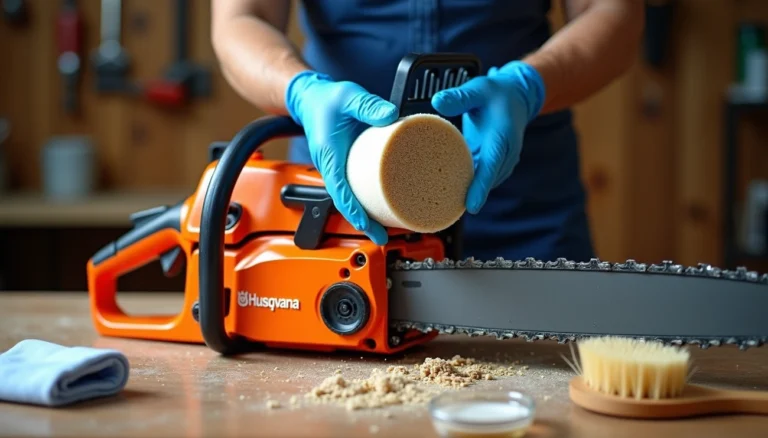
Begin by wiping the chainsaw housing with a damp cloth to remove surface debris. For battery-powered models, use the same cloth to clean both the battery and battery slot. A clean paintbrush serves as an excellent tool for reaching tight spaces and removing loose particles.
Next, check the cooling air slots—these critical openings prevent engine overheating. If they’re clogged, clean them using either a paintbrush or compressed air. Proper airflow through these slots protects your engine from damage due to excessive heat.
Afterward, remove the sprocket cover to access and clean the area around the sprocket. This step is crucial as debris accumulation here can affect chain movement and overall performance.
Clean the chain and guide bar
Regular cleaning of these components prevents premature wear. First, remove both the saw chain and guide bar from the chainsaw. Subsequently, inspect the following areas:
- Oil outlet channel and oil inlet hole – remove oil residue and dirt using a filing gage
- Bar groove – clean thoroughly to maintain proper chain movement
- Bar rails – check for burrs (rough edges) that may have formed during use
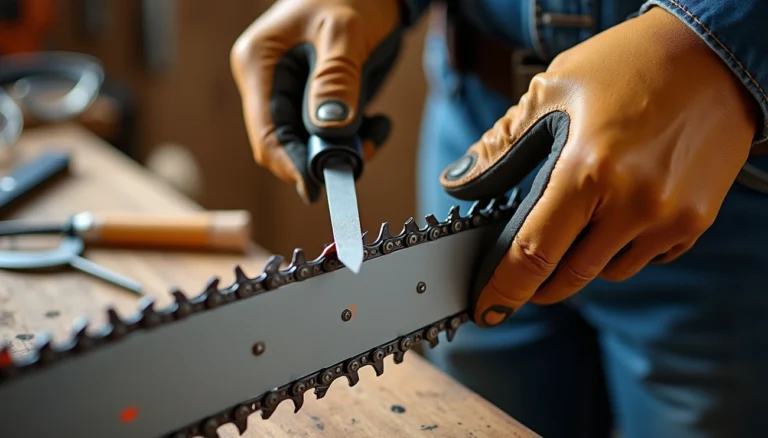
Any ridges or burrs on the guide bar can be removed with a flat file or Stihl guide bar dressing tool. Moreover, remember to turn over your guide bar every time you sharpen or change the chain to ensure even wear.
Use resin remover for stubborn grime
For particularly stubborn dirt and resin deposits, a specialized solvent is necessary. STIHL SuperClean resin solvent effectively breaks down sticky deposits that resist normal cleaning methods.
This maintenance spray combines mineral oil with lubricating agents to restore clean cutting surfaces. Consequently, after application, it leaves a protective coating that reduces friction and guards against rust. Simply spray the product directly onto soiled parts, run the tool briefly if needed, and allow it to take effect.
Deep Clean Internal Components
Regular care of your Stihl chainsaw’s internal components extends its life and maintains optimal performance. After cleaning the exterior, it’s time to focus on the crucial internal parts.
How to clean Stihl chainsaw air filter
The air filter requires regular cleaning to maintain your chainsaw’s performance. A dirty air filter forces your saw to consume more fuel and accelerates parts wear. For flocked Stihl filters (those with cloth-like material), Stihl recommends washing with soapy water and allowing to dry completely. This takes considerable time, hence some alternatives exist.
First, remove the filter and gently tap it to dislodge loose debris. For weekly maintenance, wash it with warm soapy water and rinse thoroughly. Between washings, you can use a natural bristle paintbrush to clean the filter without damaging the flocked material. Some dealers suggest using foaming battery cleaner which dries faster, though Stihl’s official recommendation remains soap and water.
How to clean Stihl chainsaw muffler
Muffler screens often become clogged, reducing performance and increasing noise. Always work in a well-ventilated area and ensure the engine is completely cool. Wear gloves, eye protection, and a dust mask to protect from irritating carbon dust.
To clean the muffler, first disconnect the spark plug wire. Remove the muffler mounting screws and separate it from the cylinder head. Check the spark arrestor screen and replace if damaged. Use a wire brush to remove carbon from external surfaces. Clean removable screens by soaking in solvent for 10-20 minutes, then gently brushing.
How to clean Stihl chainsaw carburetor
The carburetor mixes air and fuel in the proper ratio, so cleaning it maintains optimal engine function. You’ll need a screwdriver, carburetor cleaner, compressed air, safety goggles, and gloves.
First, ensure the saw is off and cool. Remove the air filter cover and filter to access the carburetor. Clean the exterior with a brush and compressed air. For deeper cleaning, carefully disassemble the carburetor, noting each component’s position. Clean internal parts with carburetor cleaner, paying close attention to small passages where buildup occurs. Reassemble carefully without overtightening.
Walbro, a major carburetor manufacturer, recommends using mineral spirits and a brush for effective, safe cleaning of aluminum components.
Maintain Oil System and Store Properly
A well-maintained oil system is crucial for your Stihl chainsaw’s performance and longevity. After cleaning the internal components, I’ll now focus on the oiler system and proper storage techniques.
How to clean Stihl chainsaw oiler
The oil port often gets clogged with sawdust and debris, causing inadequate chain lubrication. To clean it, first remove the bar and chain to access the oiler port. Check if the oiler is functioning properly—if the oil level doesn’t decrease during operation, there’s likely a blockage. Clean the oil passageway thoroughly using a small wire or brush to remove any buildup. Likewise, inspect and clean the guide bar’s oil groove where the lubricant flows. Blocked oil holes prevent proper lubrication, leading to excessive chain wear.
Check and refill oil tank
Inspect your oil tank regularly and refill it as needed. For long-term storage with vegetable-based oils, fill the tank completely to prevent gumming. In contrast, semi-synthetic oils like STIHL SynthPlus don’t gum up and can remain in the tank without topping off. Clean the oil tank periodically or have a STIHL dealer do it if you notice problems.
Tips for battery and gas saw storage
For battery-powered saws:
- Clean the battery with a damp cloth
- Store batteries at 40-80% charge (two to three green LEDs)
- Keep at temperatures between 50°F and 68°F for maximum battery life
- Store battery separately from the chainsaw and charger
For gas-powered saws:
- Empty the fuel tank in a well-ventilated area
- Run the saw at idle until it stops to prevent carburetor diaphragms from sticking
- Store in a dry, dust-free location away from sunlight
Sharpen and oil the chain before storing
Remove the guide bar and chain, then clean thoroughly. Check the chain teeth and sharpen if needed. Remove any burrs formed on the guide rail using a guide bar dressing tool. After cleaning, spray both components with protective oil before storing them in their protective covers. This prevents rust formation and ensures your chainsaw is ready for its next use.
Conclusion
Regular maintenance of your Stihl chainsaw ultimately saves you time and money while extending the life of your valuable tool. Throughout this guide, we explored essential cleaning procedures for every part of your chainsaw, from the exterior housing to internal components like the air filter, muffler, and carburetor.
Proper care begins with safety precautions—disconnecting power sources and wearing protective gear before any maintenance work starts. Afterward, cleaning the external components removes visible debris that could otherwise work its way into critical internal parts.
Deep cleaning internal components certainly requires more effort but pays off through improved performance. Your air filter, muffler, and carburetor all benefit from thorough cleaning, especially after heavy use or before seasonal storage.