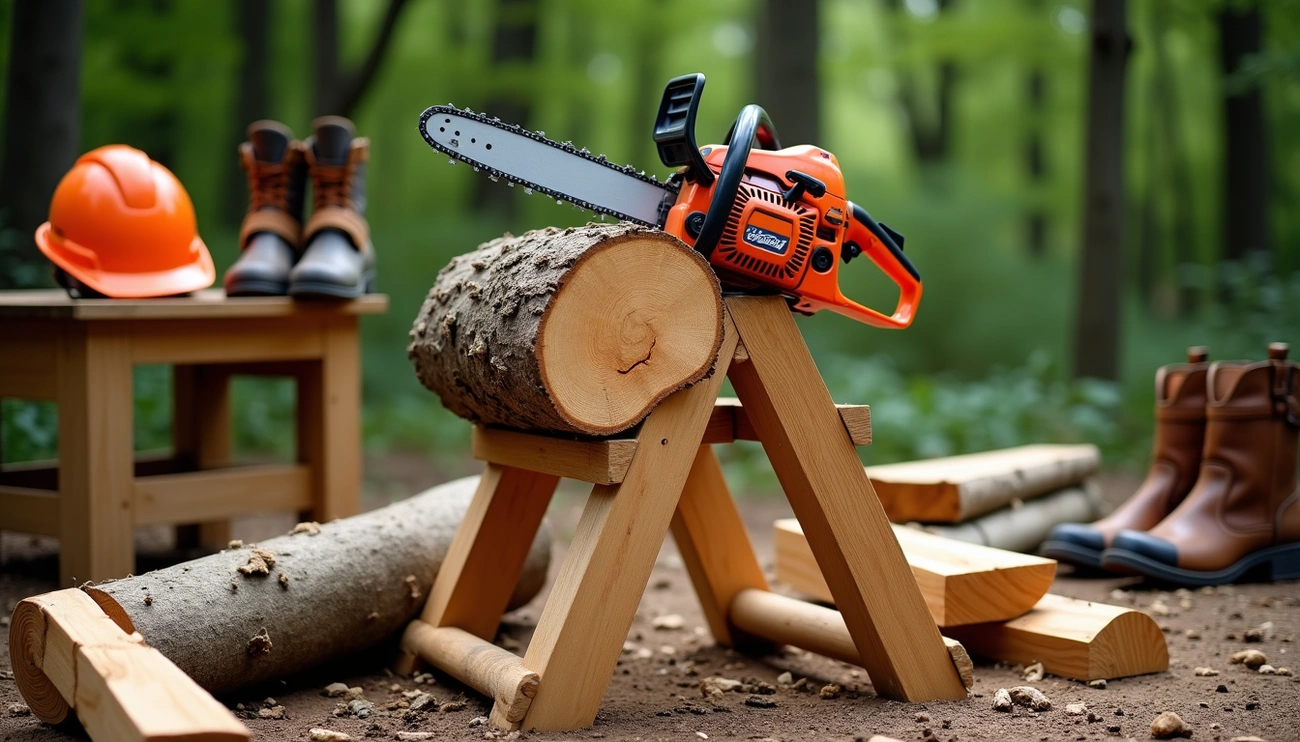
Can You Split Wood With a Chainsaw? The Answer Is Here
Yes, you can split wood with a chainsaw by cutting the log lengthwise with the grain, a process called ripping. This method works for breaking down large logs but is slower and less efficient than using a splitting axe or log splitter for standard firewood preparation.
Can you split logs with a chainsaw?
The short answer is yes – despite what traditionalists might say. This technique is commonly called “noodling” in firewood circles because it produces long, stringy wood debris resembling noodles. While a chainsaw isn’t technically “splitting” wood (it’s cutting), it can effectively divide logs lengthwise.
However, standard chainsaws have limitations. Regular chains are primarily designed for cutting across the grain rather than along it. Cutting with the grain (known as “ripping”) can cause more resistance and potentially jam your saw with wood shavings. Some experienced users recommend skip tooth chains as they cut with less resistance when ripping through wood.
When is it better than using an ax or splitter?
Noodling with a chainsaw becomes particularly valuable in specific situations:
- When dealing with problematic pieces that have multiple grain directions or embedded branches
- For extremely large rounds that need to be reduced before traditional splitting
- When splitting naturally difficult woods like elm
Time efficiency is where chainsaws truly shine. Tests show that cutting logs with a chainsaw takes approximately one-fifth the time compared to hand sawing. Specifically, preparing a cord of firewood might require about 5.5 hours with a chainsaw versus 25 hours by hand.
Types of wood suitable for chainsaw splitting
Wood characteristics significantly impact splitting difficulty. Generally speaking:
Hardwoods like oak, maple, and birch are denser and more challenging to split but make excellent firewood. Their density can pose challenges when noodling, requiring powerful chainsaws and sharp chains.
Conversely, softwoods such as pine, fir, and cedar are typically easier to process with a chainsaw due to their lighter, more pliable nature. These woods generally require less power to cut through, making the process quicker.
Moisture content also plays a crucial role. Seasoned (dried) wood is much easier to split than green wood with high moisture content. Moreover, splitting logs into smaller pieces allows them to dry better and more quickly than large rounds.
Safety First: Gear and Setup
Proper safety equipment and setup are non-negotiable when splitting wood with a chainsaw. According to the Centers for Disease Control and Prevention, approximately 36,000 people are treated in emergency rooms each year for chainsaw-related injuries. These injuries typically require 110 stitches and cost around $12,000 per injury. Fortunately, most of these accidents can be prevented with proper preparation.
Essential protective equipment
Safety begins with wearing the right gear. At minimum, you’ll need:
- Head protection: A hard hat or safety helmet protects from falling branches. Look for one that meets ANSI Z89 standards with a properly functioning shell, suspension, and chin strap.
- Eye and face protection: Safety glasses (ANSI Z87.1+) or a mesh visor shield your eyes from flying wood chips.
- Hearing protection: As chainsaws operate at around 110 decibels, ear protection is crucial to prevent permanent hearing damage.
- Leg protection: Cut-resistant chaps or pants are essential as two-thirds of chainsaw accidents involve leg injuries. These work by clogging the chainsaw’s sprocket when contact occurs.
- Appropriate footwear: Steel-toed boots provide protection if the saw accidentally drops.
- Hand protection: Gloves offer grip control while reducing the risk of cuts.
Chainsaw safety checks before starting
Prior to operation, inspect your chainsaw thoroughly. Check all controls, chain tension, bolts, and handles to ensure proper functioning. Examine the chain brake, clutch cover, and lubrication system. Always fuel your saw at least 10 feet away from ignition sources. Furthermore, ensure the chainsaw engine size is appropriate for your wood-splitting project.
Setting up a safe work area
A safe workspace is equally important. Begin by clearing dirt, debris, small limbs, and rocks from your cutting path. Subsequently, look for metal objects like nails or spikes in the wood prior to cutting. Identify and remove potential hazards or obstacles that might interfere with stable footing.
In accordance with good practice, never work alone when operating a chainsaw. Mark off your work area and ensure no people are nearby—others should stay at least 30 feet away from anyone operating a chainsaw. Throughout the entire process, maintain firm footing and keep both hands on the saw.
Step-by-Step: How to Split Firewood with a Chainsaw
Now that you’re properly equipped, let’s dive into the practical process of splitting wood with your chainsaw.
Marking and measuring your cuts
First, determine your preferred firewood length—typically 16 inches for most fireplaces. Many woodcutters use simple tools like a marked stick or sidewalk chalk to ensure consistency. For greater precision, measure the entire log first to plan optimal cuts that minimize odd-sized pieces. Alternatively, commercial options like the Mingo Marker allow for quick, uniform marking by rolling along the log.
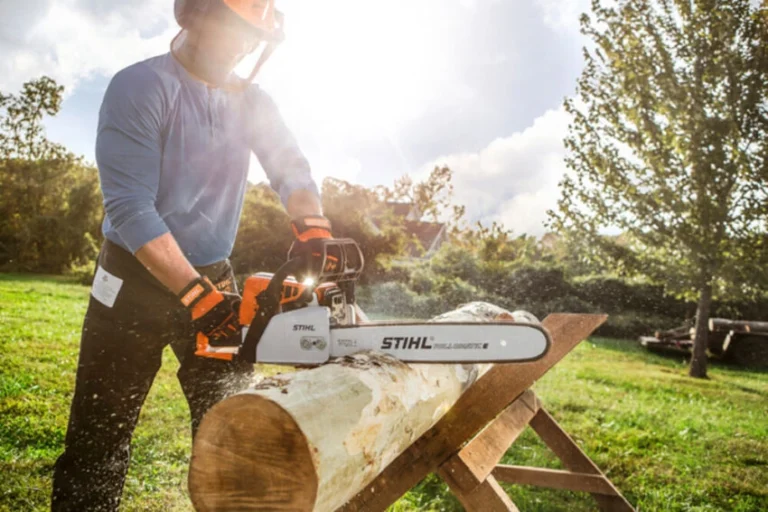
Using a cutting stand or sawhorse
Creating a proper cutting station prevents chain dulling from ground contact. You can quickly make a DIY log stand by:
- Cutting a V-shaped notch in a sturdy log
- Positioning it on flat ground for stability
- Placing your round securely in the notch
This arrangement holds the wood steady throughout cutting and keeps your chain away from dirt.
Initial cuts and flipping the log
Position your chainsaw above the marked line with the chain running at medium speed before making contact. Cut about 60-70% through the log, then carefully flip it to complete the cut from the opposite side. Always avoid using the chainsaw’s tip for initial cuts, as this can cause dangerous kickback.
Splitting logs with wedges and chainsaw
For larger rounds, make your initial cuts lengthwise to quarter the log. Once you’ve reduced the size, alternate between chainsaw cuts and splitting wedges. Make a shallow notch with your saw, insert a splitting wedge, then strike until the wood cracks apart.
Avoiding common mistakes
Throughout this process, watch for common pitfalls like allowing the saw to clog with “noodles” (long wood shavings). Keep your cuts angled slightly to prevent this issue. Additionally, never cut all the way through logs resting on the ground—always leave a thin connecting piece to prevent chain damage.
Post-Splitting Tips and Storage
After you’ve mastered splitting logs with your chainsaw, proper storage becomes crucial for quality firewood.
How to stack and dry firewood properly
Initially, choose a level, dry area with good drainage for stacking your freshly split wood. Elevate the pile using treated 2x4s or pallets to prevent ground moisture absorption. Stack wood loosely to allow air circulation throughout the pile, as this significantly accelerates drying. Orient your stack to face prevailing winds whenever possible. Although covering the entire pile seems logical, only cover the top while leaving sides exposed—this balance protects from precipitation yet maintains essential airflow.
Using a moisture meter to check dryness
Properly seasoned firewood should have less than 20% moisture content. To test accurately:
- Split a piece in half
- Immediately press the meter prongs into the freshly exposed center
- Test multiple spots (middle and ends)
Basic moisture meters cost under $30 and provide invaluable feedback. Alternatively, knock two pieces together—dry wood produces a clear, hollow sound versus wet wood’s dull thud.
Best practices for long-term storage
Altogether, firewood requires approximately six months of drying time. Keep your woodpile at least 30 feet from your home to discourage pests. Following winter, restock your supply—this ensures wood has sufficient time to season before the next burning season begins. Remember that properly seasoned wood burns more efficiently, creates less smoke, and forms less harmful creosote in chimneys.
Conclusion
Splitting firewood with a chainsaw offers a practical alternative to traditional methods, especially when dealing with challenging wood types or oversized logs. Although purists might favor axes or mauls, chainsaws provide undeniable time efficiency—completing in hours what might otherwise take days. Safety remains paramount throughout this process. Protective gear, proper technique, and a clear work area prevent injuries that could otherwise cost thousands in medical bills.
Remember that successful wood splitting extends beyond the cutting process. Proper stacking with adequate airflow, moisture monitoring, and protection from the elements ensures your firewood seasons correctly. Wait patiently for moisture levels to drop below 20% before burning. This patience yields firewood that burns cleaner, produces more heat, and creates less harmful chimney buildup.
Whether you’re processing a few logs or preparing for winter, chainsaw splitting represents a valuable skill for any homeowner or wood enthusiast. Despite consuming fuel and creating sawdust waste, the time saved makes this technique worthwhile for many situations. Next time you face a challenging log that refuses to split traditionally, your chainsaw might just become your most valuable woodcutting companion.