Are Battery Chainsaws Any Good? Pros & Cons Explained
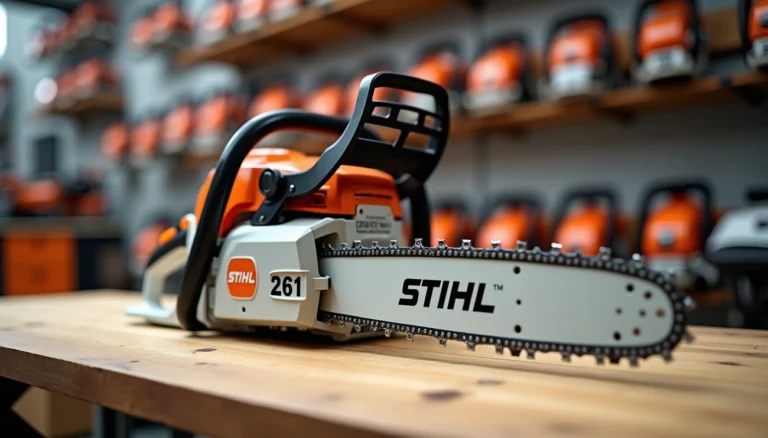
Yes, battery chainsaws are good and perform very well for most homeowner tasks. They offer instant starts, quiet operation, low maintenance, and strong cutting power for limbing and firewood. Battery chainsaws are not ideal for continuous professional logging, and large jobs require multiple batteries. High-end models now rival gas chainsaws in power for light to medium work.
What surprised me about using a battery chainsaw
My first days with a battery chainsaw left me genuinely impressed. After years of using gas models, these cordless tools showed me advantages I hadn’t expected. Let me share what stood out most during my transition.
Instant start and no warm-up time
The convenience of push-button starting fundamentally changed my workflow. Unlike gas chainsaws with their complicated start-up procedures, battery models fire up immediately with a simple button press. This instant readiness means I can grab the saw, make a few quick cuts, and put it away—all in less time than it would take just to start my old gas saw.
Furthermore, there’s no need for priming or choking the engine. For those occasional quick pruning jobs around the yard, this convenience is invaluable. I’ve also noticed this feature particularly benefits those who might struggle with the physical demands of pull-starting a conventional chainsaw.
Quieter operation and less fatigue
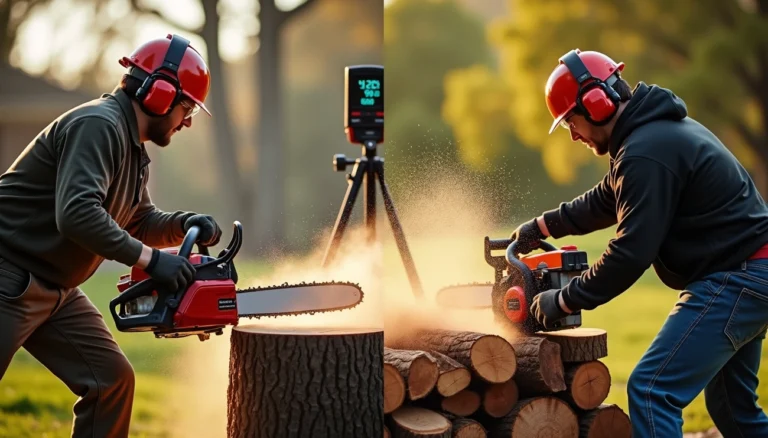
Perhaps the most pleasant surprise was the dramatic noise reduction. Battery chainsaws typically run about 10-15 decibels quieter than gas models while cutting. As a matter of fact, measurements showed average noise exposure values of 93 dB for a battery Stihl model compared to 105 dB for its gas equivalent.
Additionally, battery chainsaws remain completely silent when not actively cutting. This allows for normal conversation with helpers without shouting or stopping work. For early morning yard tasks in residential neighborhoods, this quieter operation is a major advantage.
The ergonomic benefits also impressed me. Battery models generate up to 50% less vibration than gas chainsaws, reducing arm fatigue during extended use. The lighter weight further contributes to this reduced strain, allowing me to work longer without discomfort.
No fuel mixing or carburetor issues
After all, one of the most liberating aspects of battery chainsaws is freedom from fuel-related hassles. Gone are the days of mixing precise oil-to-gas ratios or dealing with stale fuel issues.
Maintenance simplicity extends beyond fuel concerns. There’s no need for:
- Cleaning air filters
- Replacing spark plugs
- Winterizing the engine
- Dealing with gummed-up carburetors
The elimination of these common maintenance tasks not only saves time but also reduces long-term ownership costs. While battery chainsaws still require chain maintenance and bar oil, the absence of carburetor tuning and engine care represents a significant reduction in upkeep demands.
Real-world performance: can it replace gas?
After extensive testing under various conditions, I’ve found that battery chainsaws genuinely challenge gas models in everyday scenarios. The performance gap has narrowed significantly in recent years, offering viable alternatives for many cutting tasks.
Cutting small limbs vs large logs
Battery chainsaws excel at handling small to medium-sized branches. For smaller cuts and limbing tasks, they perform exceptionally well—sometimes even outpacing gas models due to their instant power delivery. Upon testing with dimensional lumber and small tree limbs, I discovered battery models handle these tasks efficiently.
In contrast, when facing larger logs, there are limitations. Battery chainsaws with 16-inch bars can successfully cut through substantial trunks, yet chain speed becomes the distinguishing factor. Gas chainsaw chains move approximately 20% faster than battery-powered equivalents, resulting in quicker cuts through thick wood. Nevertheless, newer models like the Husqvarna T542i XP deliver up to 10% more cuts than previous generations, showing remarkable improvement.
Battery life during extended use
Runtime remains a critical consideration with battery chainsaws. Typically, they operate between 30-60 minutes on a single charge, though this varies substantially depending on usage intensity.
Several factors impact battery endurance:
- Wood type and density (hardwoods drain batteries faster than softwoods)
- Chain sharpness (dull chains require more power)
- Temperature conditions
- Battery capacity (measured in amp-hours)
For perspective, a 5 amp-hour/36-volt battery can cut approximately 500 pounds of wood into 20-inch sticks. Essentially, this translates to dozens of cuts before requiring a recharge. For extended cutting sessions, carrying spare batteries becomes necessary.
Handling cold weather and tough wood
Cold temperatures present unique challenges for battery chainsaws. Tests have shown that battery performance decreases noticeably as temperatures drop. I’ve successfully used battery saws down to 24°F, though chain speed is typically faster if the saw begins warm.
According to a U.S. Forest Service study, cold conditions significantly impact runtime—some models wouldn’t operate at all at 19°F. Yet certain models, like the Makita, function down to 0°F according to manufacturer specifications.
When tackling tough hardwoods like maple or cherry, battery saws sometimes struggle with changing grain directions, occasionally resulting in stuck chains or bent teeth. Overall, for demanding conditions or all-day cutting sessions, gas models maintain advantages in sustained power and quick refueling capability.
Pros and cons I noticed after months of use
Living with a battery chainsaw for several months revealed both strengths and limitations that weren’t immediately apparent during initial testing. As I integrated this tool into my regular yard maintenance, certain qualities stood out more clearly.
What I loved: convenience, low noise, clean cuts
The sheer convenience of battery-powered operation became more valuable over time. Instead of dealing with fuel-mixing and carburetor maintenance, I simply charged batteries. The quiet operation—typically 10-15 decibels lower than gas models—meant I could work early mornings without disturbing neighbors. Electric chainsaws operate at around 85-100 dB compared to gas models’ 100-120 dB. Moreover, the zero-emission operation eliminated exposure to harmful fumes, a benefit I appreciated during lengthy cutting sessions.
What I missed: unlimited runtime, raw power
Despite advancements in battery technology, runtime limitations remained noticeable. Most models provide only 30-60 minutes of operation per charge, unlike gas models that run for hours on a single tank. Certainly, keeping multiple batteries ready helped, yet this required planning ahead. Meanwhile, when tackling especially large logs, I sometimes missed the “brute force” of gas models, especially for heavy-duty applications where battery saws couldn’t quite match the raw power.
Unexpected benefits: better communication and control
Remarkably, the quieter operation facilitated clearer communication with helpers—we could actually talk without shouting. Alongside improved communication, I noticed the lighter weight (about 40% less than gas models) provided better control and precision, especially during overhead cutting. Indeed, the reduced vibration meant significantly less hand fatigue, allowing longer work sessions without discomfort.
Tips before buying a battery chainsaw
When researching battery chainsaws, I’ve found these key considerations make all the difference in choosing a model that will serve you well for years.
Check battery compatibility with other tools
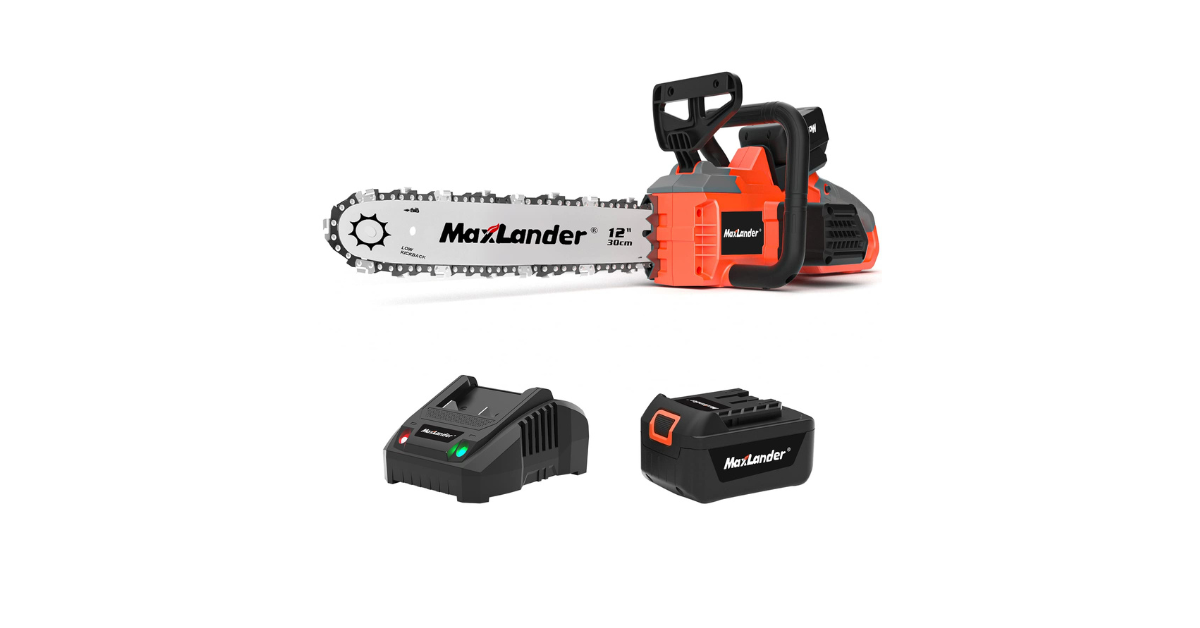
First of all, look for chainsaws that share battery platforms with tools you already own. Many manufacturers design their batteries to work across their entire cordless lineup—some systems power 75+ different tools. This compatibility can save substantial money over time as you expand your collection without purchasing additional batteries and chargers. For instance, if you’re already invested in a particular cordless ecosystem like DeWalt or Milwaukee, sticking with that same brand often makes financial sense.
Consider bar length and chain type
The bar length directly determines your cutting capacity. For light pruning and small branches, 12-14 inch bars are ideal, whereas 16-18 inch bars handle firewood and medium trees. Most importantly, select a bar approximately 2 inches longer than what you typically cut. Furthermore, consider chain speed—some models boast impressive 85 ft/second speeds, resulting in faster, cleaner cuts.
Look for tool-free chain tensioning
Subsequently, prioritize models with tool-free chain tensioning systems. This feature allows quick adjustments without wrenches or screwdrivers, saving time and reducing downtime during projects. Simply turn a dial to maintain proper tension, ensuring extended bar and chain life.
Buy an extra battery if you plan long sessions
Lastly, for extended cutting jobs, an extra battery is practically essential. Most battery chainsaws provide only 30-60 minutes of runtime on a single charge. Having a spare ready means no downtime except for a quick battery swap—perfect for a “mandatory coffee break” while the depleted battery recharges.
Conclusion
Battery chainsaws have certainly come a long way since their early days. After extensively testing various models and using them for regular yard work, I can confidently say they offer exceptional value for most homeowners and even some professionals.
Throughout my transition from gas to battery power, three benefits stood out most significantly. First, the push-button start eliminates all frustrating pull-cord attempts. Second, the dramatically reduced noise makes early morning yard work possible without disturbing neighbors. Third, freedom from fuel mixing and carburetor maintenance saves both time and money over the long term.
Nevertheless, limitations still exist. Battery runtime remains the most significant constraint, typically lasting 30-60 minutes per charge. This restriction particularly affects those undertaking large projects or working far from power sources. Additionally, despite remarkable advancements, battery models still occasionally lack the raw power needed for the toughest, thickest hardwoods.
Weather conditions also matter significantly. Cold temperatures noticeably decrease battery performance, making gas models potentially more reliable for winter storm cleanup or cold-weather logging.