Why Does My Chainsaw Cut on an Angle? Here’s The Reason
Your chainsaw cuts on an angle because the chain or guide bar is uneven. Unevenly sharpened teeth, different cutter lengths, or worn cutters cause one side to bite more aggressively. A worn guide bar with wavy rails or a widened groove lets the chain wobble, forcing angled cuts. Correct the issue by sharpening cutters evenly, matching tooth lengths, and inspecting, flipping, or dressing the guide bar.
How to Know If Your Chainsaw Is Cutting on an Angle
Detecting whether your chainsaw cuts on an angle requires careful observation during operation. Let’s explore the telltale signs that indicate your chainsaw isn’t cutting straight.
Signs your chainsaw is pulling to one side
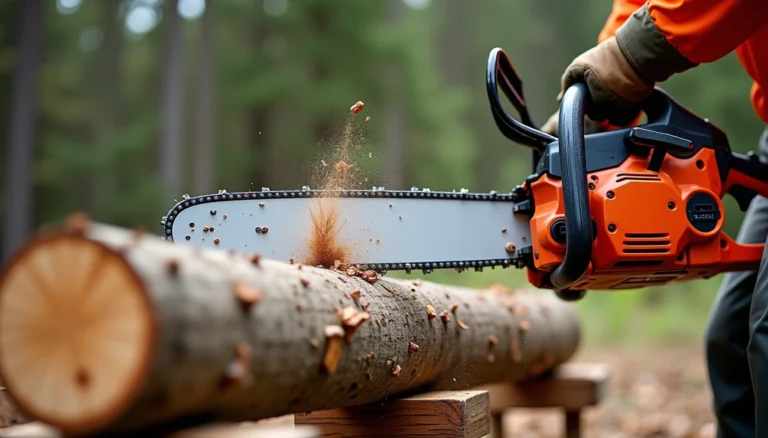
The primary indicator of angle-cutting issues is a noticeable pulling sensation. While operating your chainsaw, you’ll feel it veering consistently in one direction despite your efforts to cut straight. This pulling sensation makes maintaining a straight cutting line nearly impossible as the chainsaw naturally curves or angles through the wood.
Furthermore, if you’re struggling with this issue, you’ll notice it becomes particularly evident when cutting larger pieces of wood. The saw might drift off-center regardless of how carefully you try to steer it. Eventually, you won’t be able to rock the saw in the cut because the kerf (cutting path) becomes curved to one direction.
Visual indicators of uneven cuts
After completing a cut, examine the results closely. A chainsaw cutting at an angle leaves distinctive visual evidence:
- Curved or slanted cutting paths rather than straight lines
- Uneven wood surfaces where the cut should be flat
- Visible drift patterns that consistently favor one side
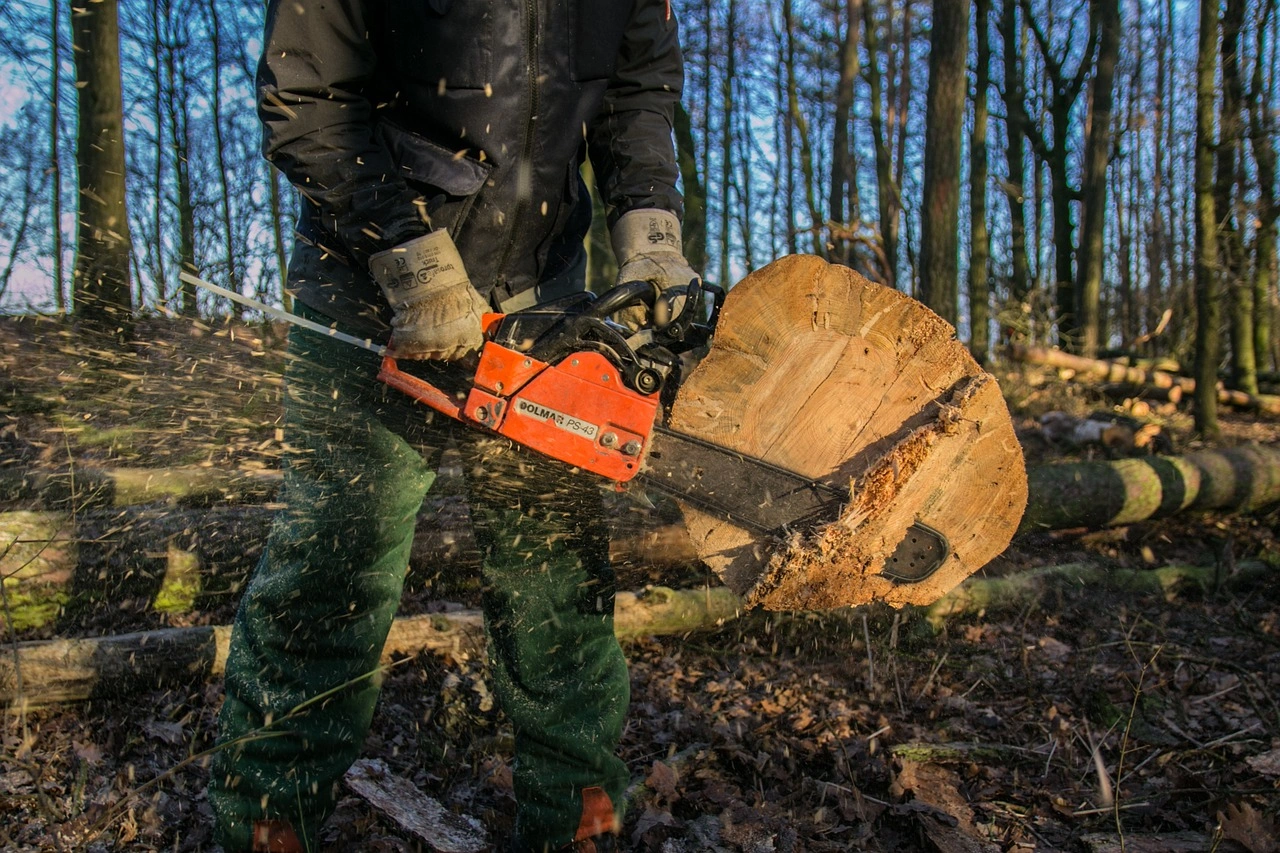
Specifically, look at the freshly cut stump or end of the wood. If the surface shows an obvious slant rather than a perpendicular cut, your chainsaw is definitely cutting at an angle. You might also notice that the cut appears to follow a curved path when viewed from above.
When to suspect a deeper issue
Ultimately, persistent angled cuts indicate your chainsaw requires maintenance or repair. If your chainsaw suddenly begins cutting crooked after previously making straight cuts, inspect it immediately. Notably, if the problem persists after you’ve checked chain tension and sharpness, it suggests a more serious underlying issue.
Uneven cutting is a major red flag indicating potential guide bar wear. Moreover, if you notice the chainsaw performing inconsistently—cutting straight at times but veering off at others—this often signals a combination of issues rather than a single problem.
Remember that angled cuts rarely fix themselves. This problem typically worsens over time as components experience additional wear, especially if you continue using the chainsaw without addressing the root cause.
What Causes a Chainsaw to Cut Crooked
A chainsaw that veers off course can turn simple cutting tasks into frustrating challenges. When examining the root causes of crooked cuts, several mechanical issues typically contribute to this problem.
Uneven chain teeth length
The primary reason chainsaws cut on an angle stems from uneven teeth lengths on opposite sides of the chain. If one side’s teeth are shorter than the other—often from hitting rocks or metal objects—the chainsaw naturally pulls toward the side with longer teeth. These longer teeth remove more wood with each pass, creating an unbalanced cutting action. When sharpening, many users unconsciously file one side’s cutters more than the other, exacerbating this issue.
Improper sharpening angles
Inconsistent filing angles on chain teeth significantly affect cutting direction. Each tooth should have uniform filing angles—typically 25° for hard woods, 30° for general use, or 35° for soft woods. Chainsaws pull toward the side with more aggressive cutting angles. Additionally, unequal depth gage settings between sides force the chain to take bigger “bites” on one side, resulting in crooked cuts.
Worn or uneven guide bar rails
Over time, guide bar rails wear unevenly from constant chain rotation. When one rail becomes lower or thinner than the other, the chain no longer sits square on the bar. Consequently, the chainsaw veers toward the side with the lower rail. This creates a vicious cycle—uneven bar wear causes angled cutting, which further accelerates uneven rail wear.
Loose or slack chain tension
Improper chain tension essentially invites crooked cuts. A loose chain doesn’t pull itself straight after rounding the nose or drive sprocket. This puts excess pressure on the bar’s rails behind the nose and heel, creating uneven wear patterns. Initially, the chain may jump or “throw” itself, ultimately causing it to sit at an angle rather than aligned with the bar.
Mismatch between chain and bar groove
Using a chain with incorrect gage (width of drive links) for your bar groove causes improper alignment. Similarly, as bar grooves widen from wear, chains can tilt within them rather than tracking straight. This misalignment forces the cutting teeth to engage the wood at inconsistent depths, pulling the saw off course.
Worn sprocket or misaligned bar
A worn drive sprocket distributes force unevenly to the chain, affecting its tracking. Likewise, improper bar mounting or a bent/twisted bar dramatically alters how the chain engages with wood. Even minor misalignments can significantly impact cutting direction, straightaway creating angled cuts.
How to Fix a Chainsaw That Cuts at an Angle
Fixing a chainsaw that veers off its intended cutting path requires systematic troubleshooting and appropriate maintenance techniques. Once you’ve identified the problem, here’s how to resolve it effectively.
Sharpening the chain evenly
Uneven sharpening is often the primary culprit behind angled cuts. To fix this:
- Place the chain in a vice that secures the bar but allows chain rotation
- Find the most worn tooth and use it as your reference point
- Count your file strokes and apply the same number to each tooth
- Maintain a consistent 30-degree angle (25 degrees for Rapid Hexa chains)
- Check cutter lengths visually—the sharper side typically has greater gaps between tooth tips
Adjusting chain tension correctly
Proper tension prevents uneven wear patterns that cause crooked cuts:
First, ensure the engine is turned off and the chain is cool. Loosen the side cover bolts just enough to allow movement. Turn the tensioning screw clockwise to tighten until drive links are fully seated in the bar groove. The chain should feel snug but pull freely around the bar. Perform a “snap test”—pull the chain down slightly and release; it should immediately snap back into position.
Cleaning and inspecting the bar groove
Over time, sawdust and debris accumulate in the bar groove:
Henceforth, use a groove-cleaning tool to remove all buildup from the bar rails and oil holes. Inspect the groove for uneven wear or widening that might allow the chain to tilt. Clean thoroughly after each use to prevent oil blockage that leads to uneven lubrication.
Replacing worn parts: bar, chain, sprocket
Sometimes replacement is necessary:
Replace the entire cutting attachment (bar, chain, and sprocket) if wear is severe. Typically, if you replace just one component, it will quickly be damaged by other worn parts. Install a new chain when teeth are worn to the witness marks. Replace the sprocket after approximately every two chain replacements.
Using a bar rail closer or flat file
For slightly worn bar rails:
T-shaped bar rail closers effectively pinch rails inward when the bar groove widens. Prior to using this tool, file away any burrs on the rail sides. Alternatively, level uneven bar rails with a flat file or bar rail dresser if the minimum groove depth can be maintained. For severely damaged bars with uneven rails, professional reconditioning may be required.
Maintenance Tips to Prevent Crooked Cuts
Regular maintenance is the cornerstone of preventing chainsaw angled cuts before they develop. Following these simple yet effective practices will extend your tool’s life and ensure straight cuts consistently.
Flip the guide bar regularly
Rotating your guide bar periodically ensures even wear on both sides. Ideally, flip the bar every time you sharpen the chain or after 10-25 hours of use. This simple practice can significantly extend your bar’s lifespan by preventing one-sided wear that leads to crooked cuts.
Lubricate the chain and bar properly
Proper lubrication reduces friction between the guide bar and chain. Always use high-quality bar and chain oil—never used motor oil, as it contains metal particles that accelerate wear. Oil tanks are sized to empty simultaneously with gas tanks, so refill both together.
Check chain tension before each use
A properly tensioned chain should be snug against the bar but still movable by hand. Too loose, and it damages the bar behind the nose; too tight, and it harms the crankshaft bearing. Remember that chains expand when heated, requiring adjustment during operation.
Sharpen the chain after every few uses
When your chain is sharp, it does the work—not you. Ensure both sides’ teeth are filed to identical angles, typically 30 degrees for general cutting.
Inspect bar rails for wear
Examine rails for uneven wear, wire edges, or blue discoloration (indicating poor lubrication). Minimum groove depths vary by chain pitch—from 4mm for 1/4″ chains to 7mm for .404″ chains.
Replace sprocket every second chain change
Change your sprocket when wear marks reach 0.5mm depth. A good rule: replace the drive sprocket after approximately every two chain replacements.
Conclusion
Chainsaw cutting problems can certainly be frustrating, but most issues that cause angled cuts are fixable with proper knowledge and regular maintenance. As we’ve seen, uneven chain teeth, improper sharpening angles, and worn guide bar rails typically cause a chainsaw to veer off course. Therefore, checking these components first will save you significant time and effort when troubleshooting.
Remember that prevention works better than correction. Regular bar flipping, proper lubrication, and consistent chain tensioning will help you avoid the frustration of crooked cuts altogether. Additionally, developing the habit of inspecting your equipment before each use allows you to catch potential issues early.
Your chainsaw represents a significant investment, both financially and in terms of the time spent learning to use it effectively. Consequently, taking care of this valuable tool makes practical sense. Though chainsaw maintenance might seem tedious at first, it quickly becomes second nature with practice.