How to Clean a Chainsaw Chain (Proven Method)
Clean a chainsaw chain by removing it and soaking it in a degreaser or warm soapy water for 10–30 minutes. Scrub with a wire brush, rinse thoroughly, dry completely, and relubricate with bar oil. Wear gloves and eye protection to prevent injury and solvent exposure.
Safety First: Preparing for Cleaning
Before diving into chainsaw chain cleaning, proper safety preparations are essential. Taking these precautions might seem time-consuming, but they significantly reduce the risk of accidents or injuries during the maintenance process.
Unplug electric or remove battery
First of all, make sure your chainsaw cannot start accidentally during cleaning. For electric chainsaws, completely unplug the unit from any power source. If you’re working with a battery-powered model, remove the battery pack entirely and engage the chain brake. This simple step prevents the chainsaw from unexpectedly starting while you’re handling the chain.
Drain fuel from gas chainsaws
For gas-powered chainsaws, switch off the engine and engage the chain brake before beginning any maintenance. Moreover, it’s important to drain the fuel tank if you’ll be performing extensive cleaning or storing the chainsaw afterward. The simplest method is to turn the chainsaw upside down over a funnel, allowing the fuel to flow back into an approved container. Always perform this task outdoors or in a well-ventilated area to prevent inhaling harmful fumes.
Keep a fire extinguisher nearby and avoid open flames or sparks when handling fuel. The drained gasoline should never be disposed of in regular trash or storm drains—instead, follow local hazardous waste disposal regulations.
Wear gloves and eye protection
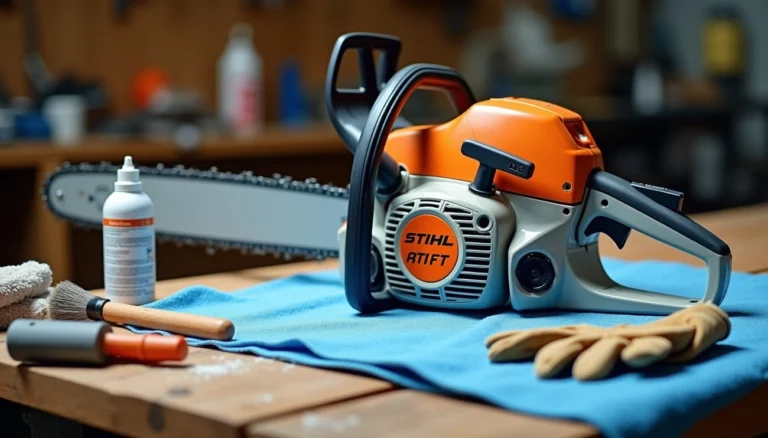
Personal protection is crucial when cleaning your chainsaw chain. Always wear sturdy work gloves to protect your hands from cuts, abrasions, and burns. Given that you’re at greatest risk of being cut during maintenance procedures like cleaning or sharpening chains, hand protection is non-negotiable.
Furthermore, proper eye protection is essential to prevent flying debris from entering your eyes. Use safety glasses or goggles that offer impact resistance and all-around protection. Regular corrective glasses and sunglasses typically don’t provide sufficient protection—if you need to wear them, add safety goggles over them or use a face shield.
These safety preparations might seem basic, but they form the foundation for safe chainsaw chain cleaning and maintenance. Only after securing these safety measures should you proceed to the actual cleaning process.
Step-by-Step: Cleaning the Chainsaw Chain
Now that safety precautions are in place, let’s tackle the actual cleaning process. Routine cleaning extends the life of your chainsaw chain and ensures optimal cutting performance throughout its service life.
Remove the chain and guide bar
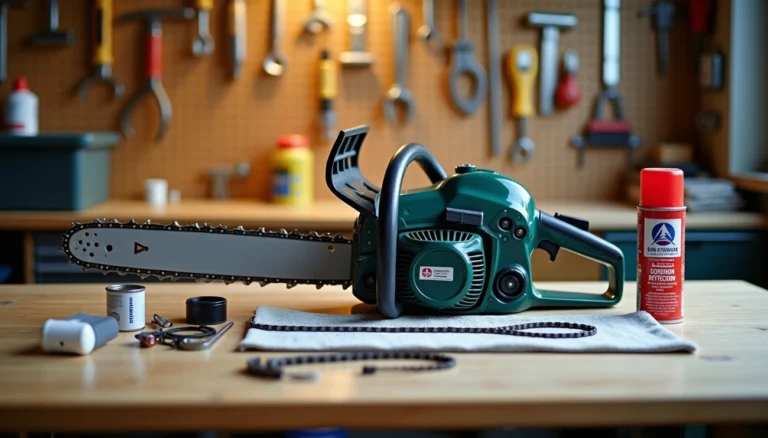
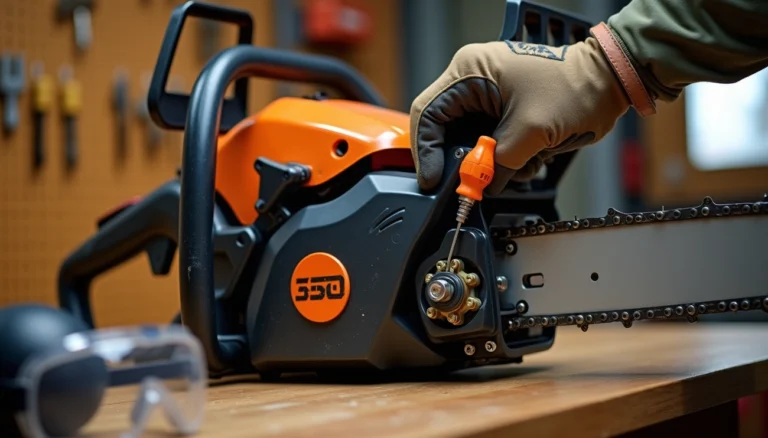
The first step in cleaning your chainsaw chain is careful disassembly. With the sprocket cover removed, carefully pull the guide bar back until it releases from the sprocket gear. Next, pull the chain off the nose of the guide bar first, followed by removing the guide bar itself. Handle all components with care to prevent damage to the sprocket or chain. This is also an excellent opportunity to brush away any sawdust that has accumulated around the sprocket using a light-bristled brush. For stubborn dirt in the guide bar groove, a flathead screwdriver can be particularly effective.
Soak the chain in degreaser
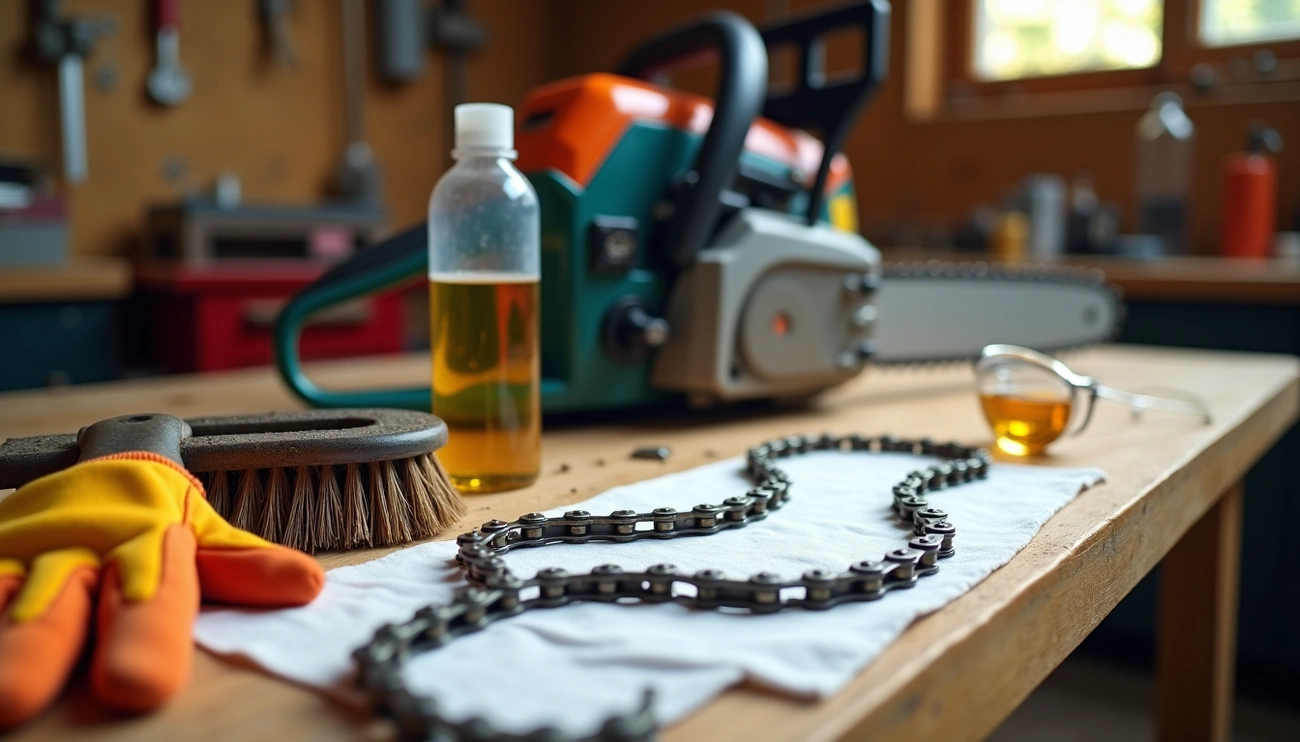
Once removed, the chain needs thorough degreasing. Several effective solutions exist depending on your preference and chain condition. For moderate buildup, a mixture of warm, soapy water works well, especially for electric chainsaw chains. However, for tougher residue and sap buildup, professional cleaners like STIHL Superclean or Oregon Chain & Bar Cleaner deliver superior results. Alternatively, many professionals use petroleum-based solvents such as mineral spirits, kerosene, or diesel fuel. Simply place the chain in a container with enough solution to completely submerge it and let it soak for 15-20 minutes.
Scrub with a wire brush
After soaking, lay the chain flat (some users stretch it on a board secured with nails) and scrub both sides thoroughly with a wire brush. The soaking process softens most pitch and dirt, making it easier to remove. For accessing tight spots between drive links and around cutters, a stiff-bristled brush works effectively. Be careful not to damage any chain components during this process.
Rinse and dry the chain
Following the scrubbing, rinse the chain thoroughly. If you used soapy water, rinse with clean water. For solvent-cleaned chains, a final rinse in the cleaning solution often helps. Afterward, dry the chain completely—using compressed air provides the fastest and most effective drying method. Alternatively, hanging the chain to air dry also works well.
Apply bar oil to lubricate
Finally, apply a coating of bar oil to the clean, dry chain. This crucial step prevents rust formation and ensures proper lubrication of all moving parts. Some professionals recommend applying a light coating of WD-40 first as an interim step before the final bar oil application. Proper lubrication consequently ensures smooth operation and extends the life of your freshly cleaned chain.
Sharpening and Inspecting the Chain
After thoroughly cleaning your chainsaw chain, sharpening is the next critical step to maintain optimal performance. A properly sharpened chain cuts efficiently and reduces the strain on your equipment.
Secure the chainsaw or chain
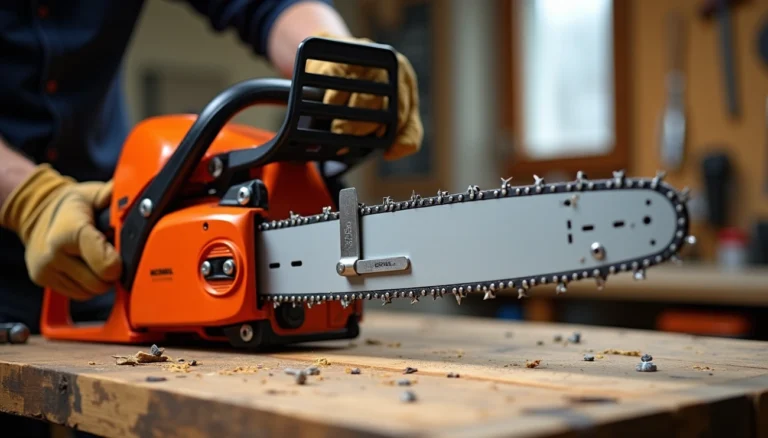
Initially, ensure the chainsaw is completely turned off. For stability during sharpening, place the bar in a bench vice, which allows both hands to remain free for filing. Plus, properly tension the chain—slightly tighter than normal cutting tension—to prevent movement. Alternatively, use a stump vice when working in the field.
Sharpen cutting teeth with a file
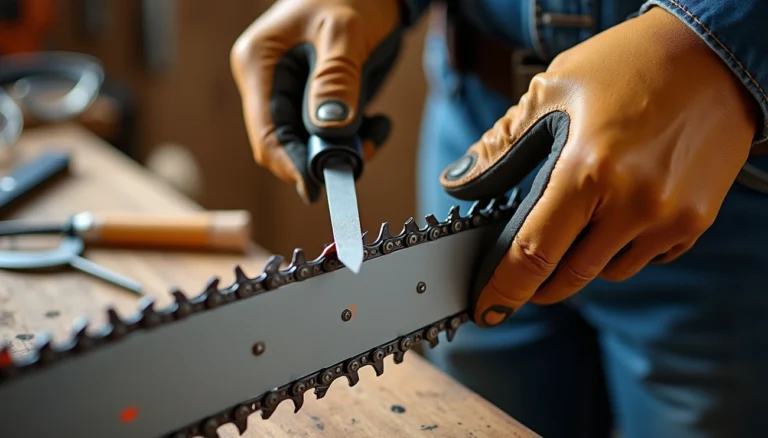
Select the correct round file size for your chain. Position the file at the recommended angle (typically 25-35 degrees depending on your chain type). File from inside to outside, using smooth, even strokes. Approximately 20% of the file should remain above the cutter. Complete all teeth on one side first, then flip the saw to sharpen the opposite side.
Check and file depth gages
Depth gages control how deeply cutters bite into wood. These should be checked and adjusted after sharpening the cutters 3-4 times. Use a depth gage tool to check height—if a gage protrudes above the filing tool, use a flat file to level it. Subsequently, round off the front edge to restore its original shape.
Inspect for wear or damage
Regularly examine your chain for:
- Dull or rounded teeth lacking sharp edges
- Cracks in tie straps or drive links
- Bent teeth or uneven wear patterns
- Cutting teeth worn down to less than 4mm
Replace your chain if any major damage is visible rather than attempting to repair it.
Extra Maintenance Tips for Long-Term Use
Maintaining your chainsaw properly extends its life far beyond basic cleaning. Regular upkeep prevents costly repairs and ensures reliable performance whenever you need it.
Clean oil passages and tank
Clogged oil passages reduce lubrication effectiveness and damage your chain. Periodically check that the oil inlet hole and outlet channel remain free of debris. For a thorough tank cleaning, drain remaining oil, then fill the tank about 1/4 full with fuel mix, shake vigorously, and drain. Alternatively, diesel works well for a quick two-minute flush that cleans the tank, pickup, and pump.
Use rust protection spray on metal parts
Applying high-quality rust protection spray creates a protective barrier against moisture and oxygen. Prior to application, ensure all metal components are clean and dry. Products like Fluid Film provide long-term corrosion protection while simultaneously lubricating moving parts. This protection is especially vital during seasonal storage or in humid environments.
Store chain and bar separately if unused
For extended storage, remove the chain and guide bar completely. Clean both thoroughly and apply protective oil before storing. This practice prevents oil leakage and maintains component integrity. Store your chainsaw in a dry, well-ventilated area away from direct sunlight.
Special care for battery and gas models
Battery-powered saws require removing batteries for separate storage. Keep batteries at temperatures between 41-77°F. For gas models, drain and properly dispose of fuel, then run the carburetor at idle to prevent diaphragm sticking.
Conclusion
Regular chainsaw maintenance proves essential for both performance and safety. Throughout this guide, we’ve explored the complete process of cleaning, sharpening, and maintaining your chainsaw chain. Most importantly, proper cleaning extends your chain’s lifespan while significantly reducing accident risks.
Safety preparations must always come first—disconnecting power sources, draining fuel, and wearing appropriate protective gear create the foundation for safe maintenance. The cleaning process itself requires attention to detail, from careful disassembly to thorough degreasing and proper lubrication afterward.
Many chainsaw owners overlook the critical connection between maintenance and cutting efficiency. A well-maintained chain not only cuts faster but also puts less strain on the motor and reduces fuel consumption. Additionally, routine inspection helps identify potential issues before they become dangerous or expensive problems.