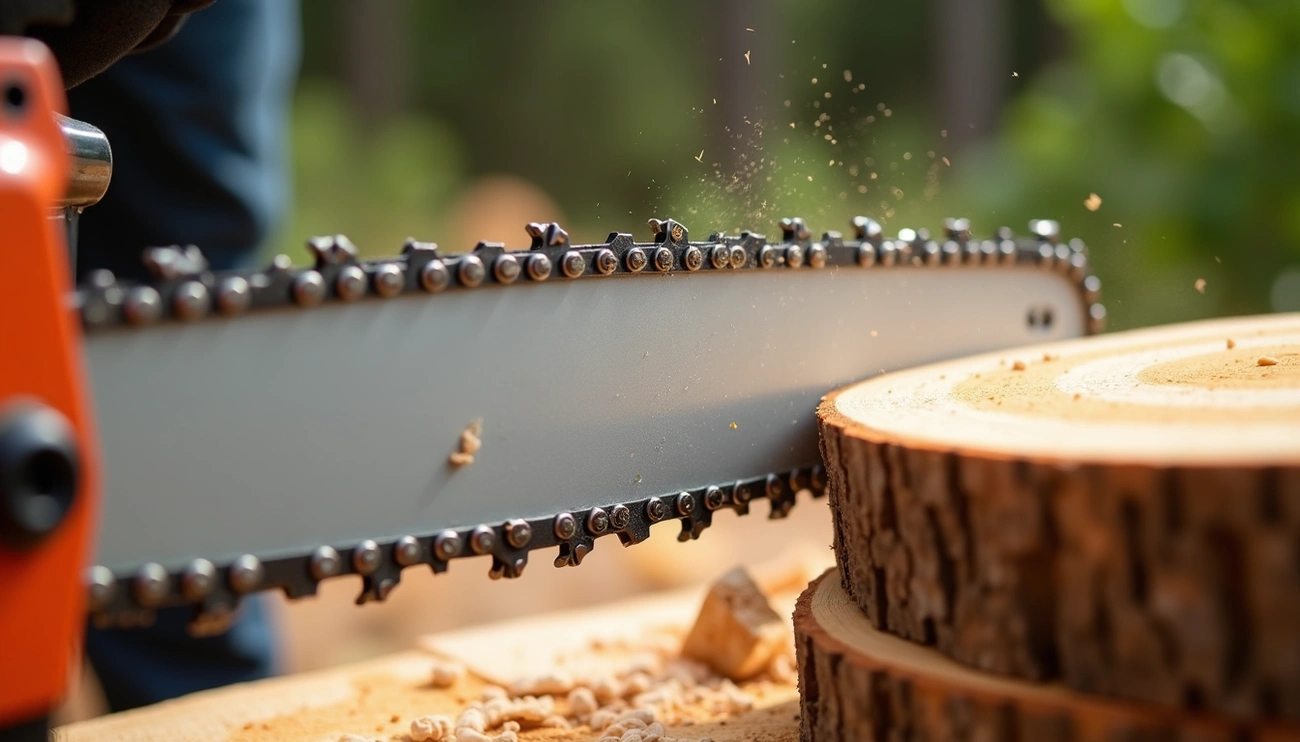
What Is Full Chisel Chainsaw Chain? Benefits and Limitations
A full chisel chainsaw chain uses sharp, square-cornered teeth that form an aggressive L-shaped cutting edge. This design cuts clean, soft wood extremely fast but dulls quickly, reacts poorly to dirt, and increases kickback risk. Full chisel chains suit experienced users who prioritize speed and efficiency.
What does full chisel mean on a chainsaw chain?
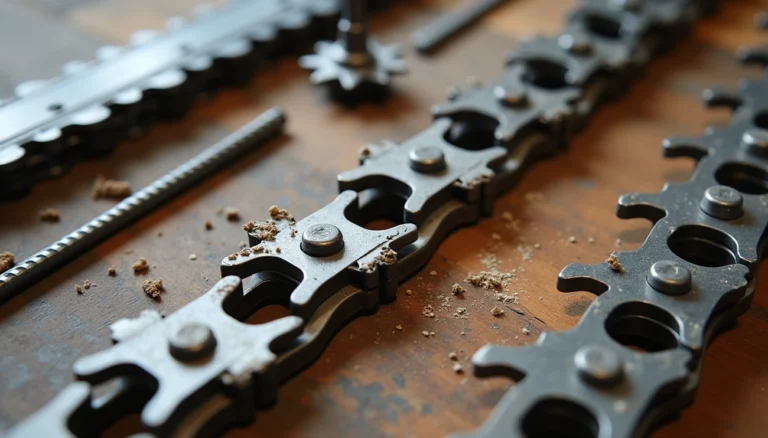
The term “full chisel” refers to a specific tooth design on a chainsaw chain that features sharp, square-cornered teeth with 90-degree angles. Unlike other chain types, a full chisel chainsaw chain has cutting edges that meet at precise right angles, creating a distinctive square profile that efficiently splits wood fibers during cutting operations.
Cutter shape and edge profile
The defining characteristic of a full chisel chain is its square-cornered cutter teeth. These teeth have sharp, precise edges that come together to form a pointed corner. Essentially, the full chisel design creates two cutting edges that align to form a sharp corner, allowing the chain to slice through wood with remarkable efficiency. This geometric configuration enables the cutter to split wood fibers cleanly rather than tearing through them, resulting in faster cutting action.
The square edges on full chisel chains are designed primarily for speed and efficiency. Due to their shape, they penetrate wood aggressively, making clean, precise cuts. Furthermore, the square profile allows for maximum cutting efficiency with minimal resistance, which explains why these chains excel at cutting through clean softwood and green wood.
How it differs from semi chisel and chipper chains
In contrast to full chisel chains, semi-chisel chains feature slightly rounded cutter corners. This rounded profile allows semi-chisel chains to maintain sharpness longer, especially when cutting in dirty, frozen, or abrasive conditions where full chisel chains would quickly lose their edge. Additionally, semi-chisel chains offer greater durability and reliability despite their somewhat slower cutting speed.
Chipper chains represent yet another variation with even more rounded working corners than semi-chisel chains. In cross-section, a chipper chain tooth resembles a question mark with a full radius over the entire cutting portion, whereas a semi-chisel design looks more like a number “7” with a slightly rounded top-right corner. Consequently, chipper chains stay sharp longer in dirty conditions but don’t perform as efficiently as chisel chains in clean wood.
Beyond the standard options, there are also specialized variations like square-ground chains, which are similar to full chisel chains but require specialized equipment for sharpening. These chains are primarily used by professionals for high-speed hardwood cutting and competitive logging applications.
Key benefits of full chisel chainsaw chains
Full chisel chainsaw chains offer significant advantages for specific cutting scenarios, making them a top choice for many users who understand their capabilities. The square-cornered teeth design provides unique benefits that set them apart from other chain types.
Faster cutting in clean wood
The sharp, square corners of full chisel chains are engineered specifically for speed. These chains can slice through wood fibers with remarkable efficiency, resulting in significantly faster cutting times compared to semi-chisel alternatives. This speed advantage is most noticeable in clean, non-abrasive environments where the aggressive cutting action can be fully utilized.
What makes full chisel chains truly exceptional is their ability to efficiently bite into wood and rapidly remove chips, which reduces the likelihood of clogging or binding during operation. In controlled tests between chain types, full chisel chains consistently finish cutting tasks considerably faster – so much so that a logger using a full chisel chain could complete a cut, take time to sharpen the chain, and still finish ahead of someone using a semi-chisel chain.
Ideal for softwood and green wood
Full chisel chains particularly excel when cutting softwood and green (freshly cut) wood. The square-toothed design allows these chains to split wood fibers easily and efficiently, making them exceptionally effective for these specific materials.
The aggressive cutting action of full chisel chains makes them perfectly suited for clean wood conditions – environments free from dirt, dust, and debris. Professional loggers often choose these chains specifically for falling big softwood trees, though many also utilize them effectively in eastern hardwood forests.
Preferred by professionals for precision work
Professional chainsaw users consistently choose full chisel chains for their precision and efficiency. The chains provide clean, smooth cuts with exceptional accuracy when debris isn’t an issue. This precision, combined with their speed, makes them invaluable for professionals who need to maximize productivity.
For forestry workers and landscapers who prioritize time efficiency over frequent maintenance, the advantages of full chisel chains are substantial. Most importantly, these chains allow for professional-quality precision work across various applications. Their ability to constantly push through wood with all teeth (unlike skip tooth chains that pull) contributes to their clean cutting action and popularity among professionals.
Limitations and risks of using full chisel chains
While full chisel chains excel at fast cutting in clean conditions, they come with notable limitations and risks that users should understand before making their selection.
Dulls quickly in dirty or frozen wood
The sharp, square-cornered design that makes full chisel chains so efficient also renders them highly vulnerable to dulling. These chains lose their edge rapidly when exposed to dirt, grit, or frozen conditions. Frozen wood, in particular, dulls a full chisel chain just as quickly as hitting rocks or dirt. Upon inspection, a chain dulled from frozen wood shows wear patterns resembling filing marks across the top of the tooth, unlike the dings on the cutting edge typically seen after hitting rocks.
Higher risk of kickback
Full chisel chains present a significantly elevated kickback risk compared to other chain types. Kickback—the sudden upward and backward movement of the chainsaw—remains the most common and dangerous chainsaw hazard, contributing to over 28,000 chainsaw-related injuries annually in the USA alone. The aggressive cutting profile of full chisel chains naturally increases this risk. Tests have shown kickback angles ranging from 15° to 52° depending on wood type, with moisture levels between 20-60% further increasing kickback angles.
Requires frequent sharpening and maintenance
The maintenance demands of full chisel chains exceed those of semi-chisel alternatives. Their pointed design, while excellent for cutting speed, means more frequent sharpening sessions—often after just one encounter with dirt or debris. Maintaining these chains properly requires skill with files or specialized equipment, otherwise cutting performance deteriorates rapidly. A dull chain not only produces sawdust instead of chips but also strains the chainsaw power head unnecessarily, potentially damaging your equipment.
When to use a full chisel chainsaw chain
Knowing exactly when to deploy a full chisel chainsaw chain can significantly enhance your cutting efficiency. Understanding the ideal conditions and applications helps maximize its benefits while minimizing its limitations.
Best conditions for full chisel use
Full chisel chains perform optimally in clean, controlled environments free from dirt, sand, and debris. These chains thrive when cutting pristine wood where their sharp corners won’t quickly dull. Ideally, use them in dry conditions, as wet environments from frequent rain can rapidly diminish their effectiveness.
Types of wood and tasks it excels at
Despite some conflicting information, full chisel chains primarily excel when cutting clean, green softwoods. Professional loggers typically select these chains for falling big softwood trees, although many experienced cutters successfully employ them in eastern hardwood forests as well. The chains are particularly valuable for production environments where speed takes priority. Moreover, they shine in forestry operations, tree felling, and tasks requiring precision cuts.
Chainsaw power and bar length considerations
Your chainsaw should have sufficient horsepower to handle the pitch and gage of a full chisel chain. Generally, these aggressive chains work best with chainsaws between 50-100cc. Indeed, many manufacturers design specialized full chisel chains specifically for professionals using large saws for heavy-duty, big-timber cutting applications. The power match ensures optimal performance without straining your equipment.
Conclusion
Full chisel chainsaw chains undoubtedly deliver impressive cutting speed and efficiency when used under the right conditions. Their square-cornered teeth design allows them to slice through clean softwood and green wood with remarkable precision, therefore making them a favorite among professional loggers. However, these benefits come with noteworthy trade-offs.
Speed advantages must be balanced against the chain’s tendency to dull quickly in less-than-ideal conditions. Dirt, debris, and frozen wood will rapidly compromise the sharp corners that give these chains their cutting power. Additionally, the higher kickback risk requires users to maintain proper technique and safety awareness at all times.
Professional users appreciate full chisel chains because the speed benefits often outweigh maintenance demands. For experienced chainsaw operators who work primarily with clean softwoods and have the skills to maintain their equipment properly, full chisel chains represent an excellent choice.