Why Does My Chainsaw Leak Bar Oil? Stop This Today
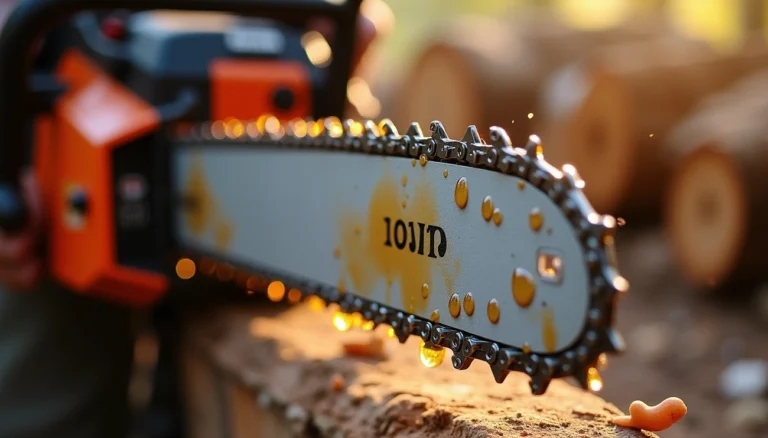
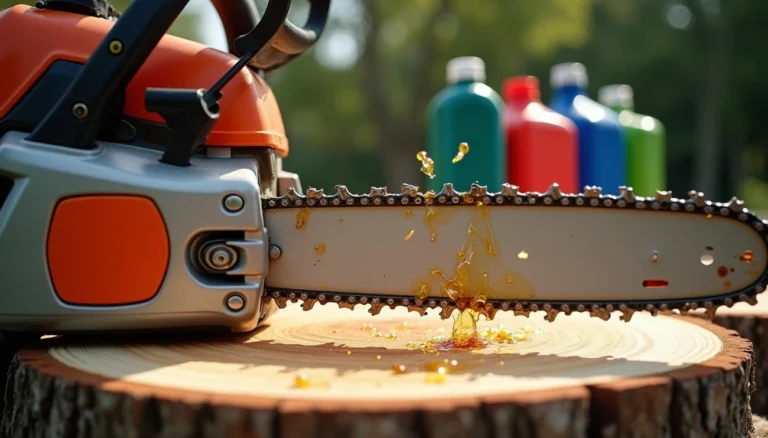
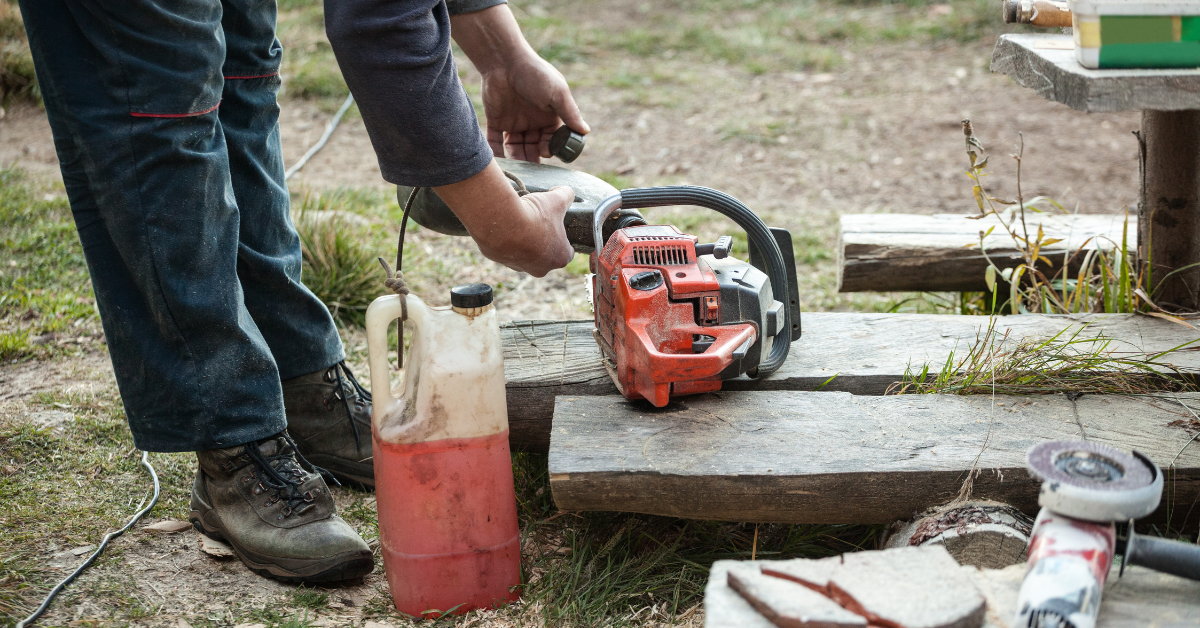
Your chainsaw leaks bar oil due to normal seepage after use, but excessive leaking usually signals a problem. Common causes include cracked oil tanks, damaged oil lines, worn O-rings or gaskets, faulty breather valves, or clogged oil passages. Temperature changes and residual oil can also cause drips.
How the chainsaw oiling system works
Understanding your chainsaw’s oiling system is essential before addressing why your chainsaw leaks bar oil. The system is surprisingly straightforward yet ingenious in design.
Oil tank, pump, and delivery channels
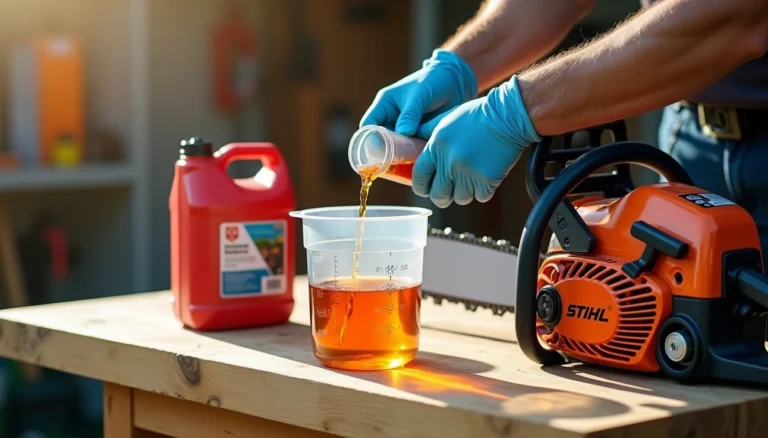
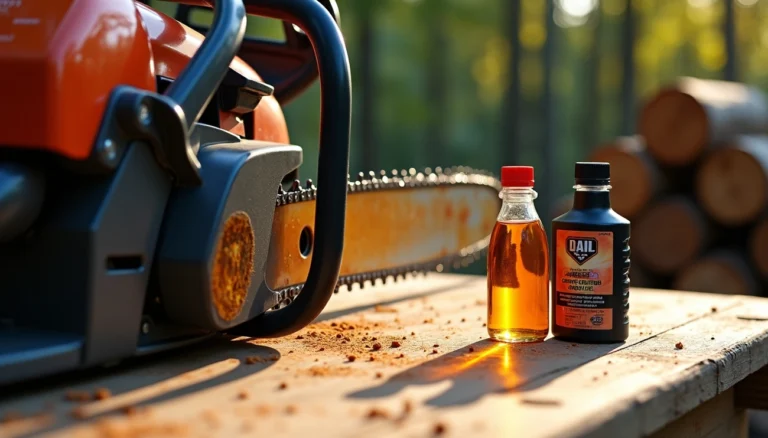
The heart of a chainsaw’s lubrication system consists of three main components. First, the oil reservoir (or tank) stores the bar oil necessary for lubrication. Located typically near the handle, this tank requires regular filling to ensure proper operation.
Second, the oil pump transfers the lubricant from the tank to the chain. This pump is typically driven by the engine’s crankshaft through gears or drive mechanisms. Third, the delivery system includes small tubes and channels that guide oil to critical areas.
Essentially, these components work together to ensure consistent lubrication. When functioning properly, the system delivers between 1cc to 50ml of oil per minute depending on the model and settings.
Automatic vs. manual oilers
Chainsaws primarily use two types of oiling systems. Automatic oilers adjust oil flow based on engine speed – as the engine RPMs increase, more oil is delivered. This makes them ideal for continuous cutting tasks since they require no intervention.
In contrast, manual oilers need the operator to press a button periodically to release oil. Although less convenient, they offer precise control over oil application.
Additionally, automatic oilers come in two varieties:
- Fixed oilers deliver preset amounts of oil based solely on engine speed
- Adjustable oilers allow operators to regulate oil flow through an adjustment screw, optimizing lubrication for different cutting conditions
How oil reaches the bar and chain
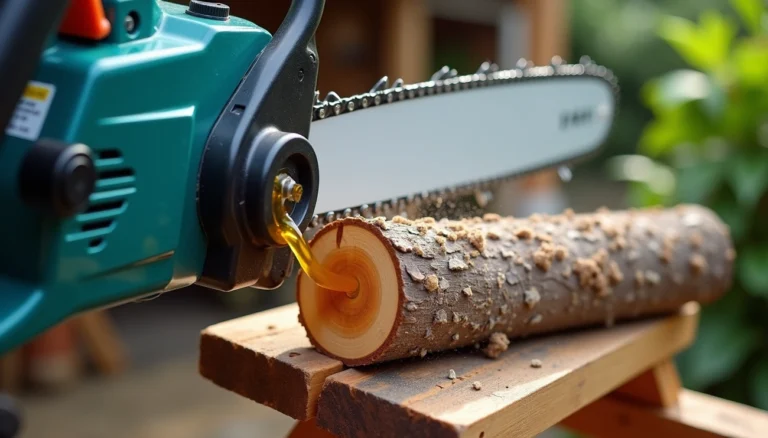
Once released, oil travels through the delivery channels to reach a small slot behind the bar. From there, it enters a hole in the bar that leads to the chain. This design accommodates bar adjustment while maintaining oil flow.
As the chain moves around the bar at high speeds, it picks up the oil and spreads it along the guide bar. This oil coating creates a thin film that significantly reduces friction between metal components, preventing overheating during operation.
The brilliance of this system is that faster chain speeds automatically distribute more oil, providing additional lubrication precisely when needed most.
Why your chainsaw leaks bar oil
Finding puddles of oil under your stored chainsaw can be frustrating. Let’s dive into the common culprits behind these persistent leaks.
Worn seals and gaskets
One primary reason for bar oil leakage stems from deteriorated seals and gaskets. These components naturally wear out over time due to regular use. The constant vibrations produced by chainsaws gradually loosen connections between parts, creating small gaps where oil can escape. This issue affects all types of chainsaws but appears more frequently in older models that have seen extensive use.
Cracked oil reservoir or loose cap
Physical damage to the oil reservoir often results in persistent leaking. Even hairline cracks in the tank can allow oil to seep through. Moreover, a loose or damaged oil cap fails to maintain a proper seal, permitting oil to escape. Always inspect these components carefully if you notice your chainsaw leaking bar oil when not in use.
Clogged or damaged oil lines
Oil delivery lines can become damaged or blocked with debris over time. In some cases, users have discovered broken pieces of oil lines floating in their oil tanks. These blockages not only cause improper oil flow but may force oil to find alternative escape routes, resulting in leaks.
Overfilled oil tank
Simply filling the oil reservoir beyond its capacity creates excessive pressure on seals and gaskets. This pressure forces oil to escape through any available weak point. Consequently, an overfilled tank ranks among the most common reasons why chainsaws leak bar oil when stored.
Temperature and pressure changes
Temperature fluctuations play a significant role in oil leakage. As temperatures drop overnight, the oil and air in the tank contract, drawing air inside through the one-way valve breather. When temperatures rise again during the day, this air expands, forcing oil out through the pump ports. This cycle repeats daily until, in extreme cases, the tank might pump itself completely dry.
Improper storage position
Lastly, how you store your chainsaw greatly affects oil leakage. Storing the tool with the oil cap facing downward allows gravity to pull oil toward the cap, increasing leakage risk. Proper positioning can make a substantial difference in preventing this common problem.
How to fix a chainsaw leaking bar oil
Now that we understand why chainsaws leak oil, let’s focus on practical solutions to fix this messy problem.
Inspect and clean the oil system
First, thoroughly clean the outside of your chainsaw. Remove the bar and chain to examine the oil delivery system. Check for leaks around the oil tank cap and ensure the o-rings are intact and free of sawdust, which commonly causes leakage. Many issues stem from simple gunk buildup or debris.
Tighten screws and replace seals
Loose connections often lead to oil seepage. Inspect all screws, especially those around the oil reservoir. If you notice worn gaskets or rubber seals, replace them immediately. The rubber oil pump fitting that connects to the tank should sit properly aligned—not at an angle, which can cause deformation and leakage.
Replace damaged oil lines
Examine the oil lines for cracks or deterioration. Damaged lines frequently cause leaks behind the clutch cover instead of properly lubricating the bar. To access these components, you’ll typically need to separate the case halves. Once exposed, carefully pull out the old line and install a new one.
Clean or unclog the oil port
Oil ports easily become blocked with a paste-like mixture of sawdust and oil. Use a small wood screw (slightly smaller than the hole) to gently remove crud from gummed-up holes. Afterward, vacuum the entire area with a shop vac to ensure all debris is removed.
Adjust the oiler settings
Many chainsaws feature adjustable oilers. Look for markings on the bottom of your saw indicating an adjustment screw. This can typically be found in a crevice that might be covered with sawdust and oil. Proper adjustment ensures adequate lubrication without excessive oil flow.
Test the chainsaw after repair
After making repairs:
- Run the chainsaw with the bar removed to verify oil is flowing from the port
- Reinstall the bar and chain
- Hold the tip near cardboard while running to check for oil spray
Remember: light oil residue on the bar after operation indicates proper lubrication is occurring.
How to store your chainsaw without oil leaking
Proper storage is the secret to preventing those frustrating oil puddles beneath your chainsaw. Throughout my years of working with chainsaws, I’ve discovered several effective techniques to keep them leak-free.
Drain oil before long-term storage
For storage lasting more than a month, completely empty the oil reservoir to eliminate the risk of leakage. This practice is highly recommended by major manufacturers like Stihl and Husqvarna. Oil will inevitably leak as a result of air pressure and temperature changes, regardless of how well-maintained your saw is.
Store with oil cap facing up
Position your chainsaw with the oil caps facing upward. This simple yet effective approach uses gravity to your advantage, preventing oil from seeping through the cap even if seals aren’t perfect.
Use a drip tray or cardboard under the saw
Place a drip tray, boot tray, or piece of cardboard beneath your chainsaw. These inexpensive solutions catch residual oil drips without damaging your storage surfaces. Some owners use roof shingles with cardboard on top, replacing the cardboard once saturated.
Avoid temperature fluctuations
Store your chainsaw in a climate-controlled environment. Temperature variations cause pressure changes inside the oil tank, forcing oil out through available pathways.
Check oil level before and after storage
Inspect oil levels prior to storage and again before next use. This habit ensures you’ll never start cutting with insufficient lubrication, potentially damaging your saw.
Conclusion
Chainsaw bar oil leaks plague many tool owners, but now you understand both the causes and solutions to this common problem. Leaks stem from several factors including worn seals, damaged reservoirs, improper storage positions, and temperature fluctuations. Most importantly, these issues can be fixed with regular maintenance and proper care.
Regular inspection of your chainsaw’s oiling system certainly pays dividends in the long run. Simply checking seals, tightening loose screws, and keeping oil ports clear prevents most leakage issues before they start. Additionally, storing your chainsaw with oil caps facing upward makes a significant difference in preventing those annoying oil puddles.
For those planning extended storage periods, draining the oil tank completely eliminates leakage concerns. Otherwise, placing a drip tray beneath your chainsaw serves as an effective precautionary measure. Though all chainsaws will eventually show signs of oil residue, these steps minimize mess and waste.